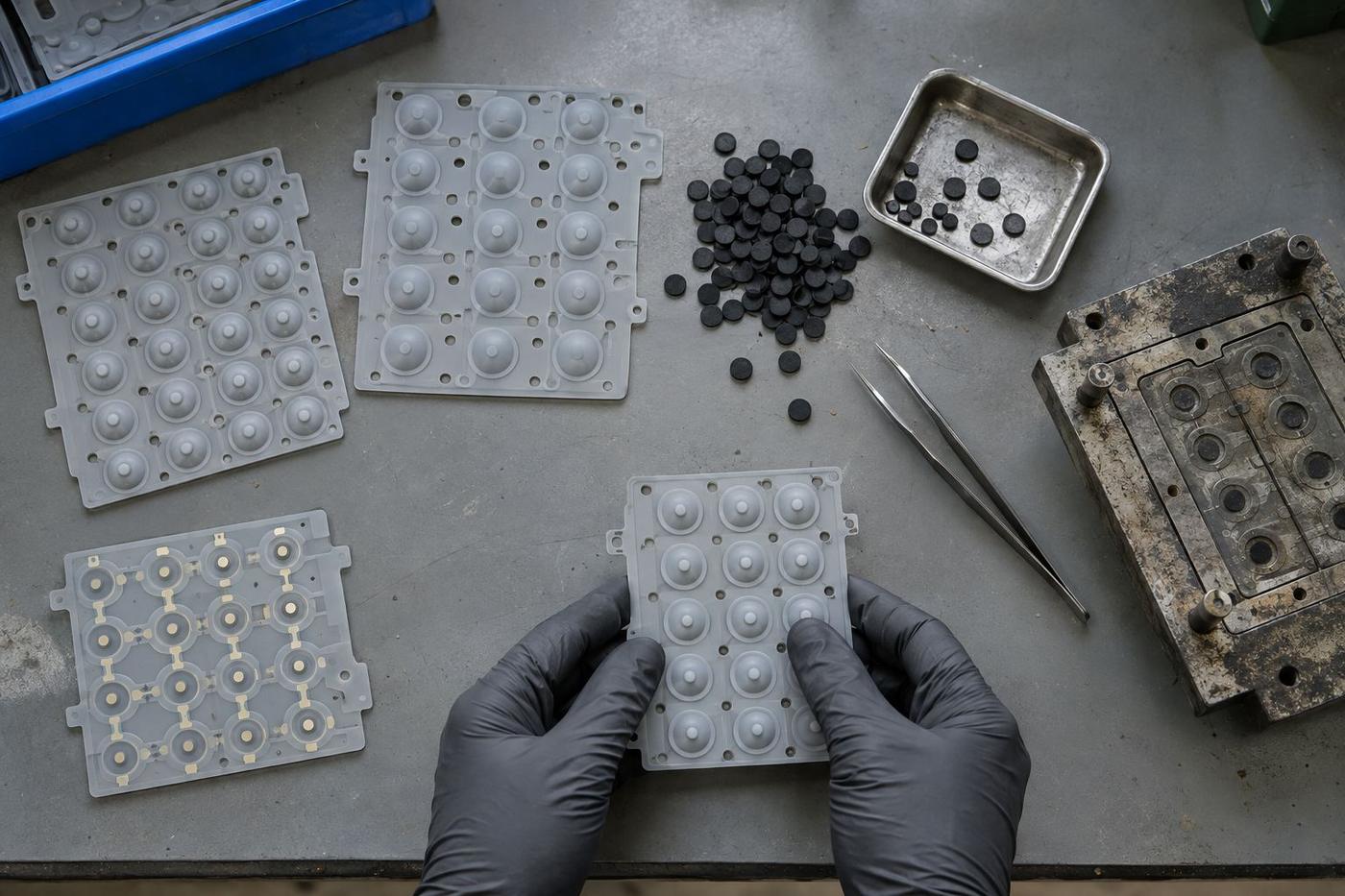
Keypad and button manufacture
Silicone keypad mats and moulded buttons with a defined tactile feel, integrated conductive contacts, and graphics either printed on top or moulded…
See the serviceProject record · Precision electronics · Compression
A silicone keypad mat for a hand-held industrial device. Buttons that had to feel decisive without being noisy, conductive contacts that had to make circuit closure reliably, batch consistency across a five-year programme.
The brief
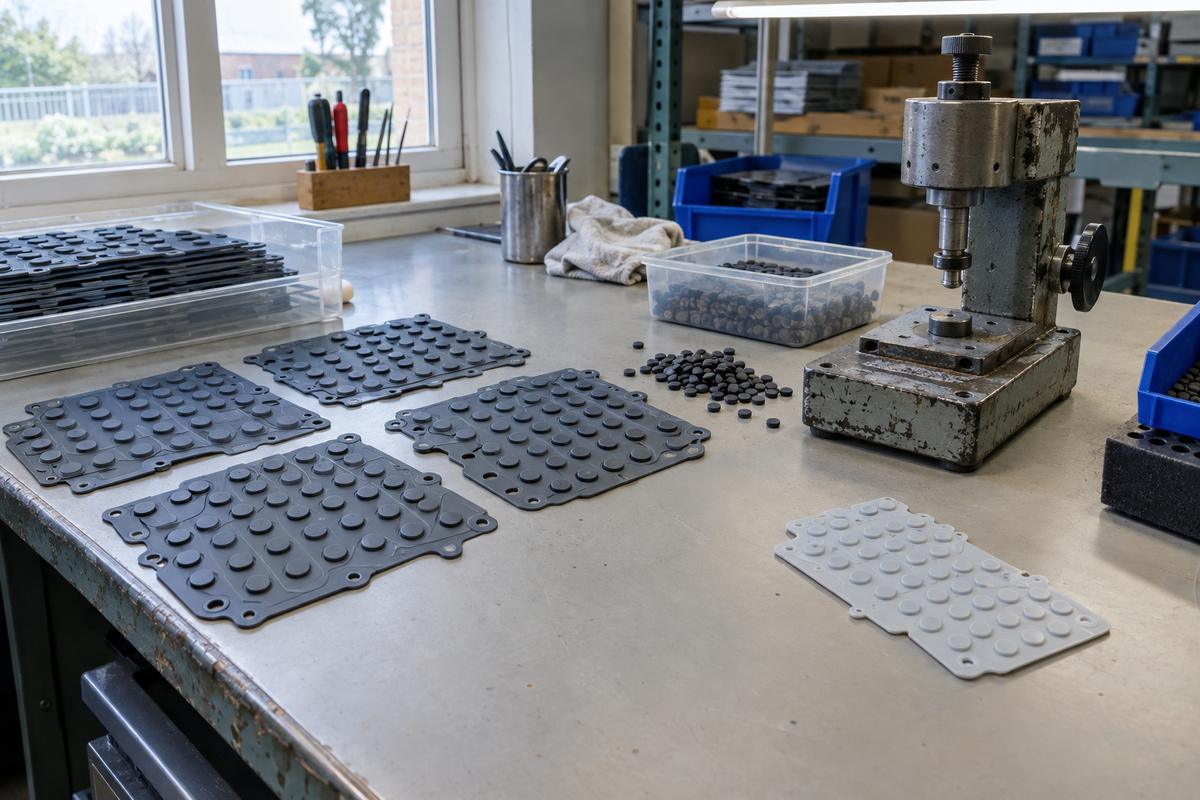
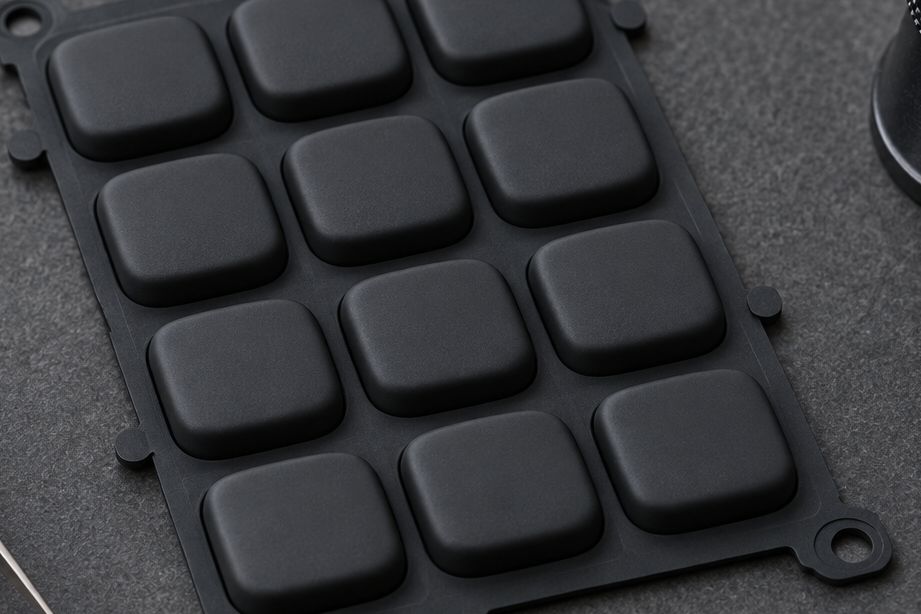
A precision electronics maker builds hand-held instruments for field engineers. Their product uses a silicone rubber keypad — twelve buttons over a PCB — and the feel of the buttons was one of the things field users specifically praised in reviews.
The existing supplier had been running the keypad on compression tooling for three years. The parts were fine but batch drift had crept in: successive batches were coming through with slightly different button feel. Users noticed. Reviews started to mention it. The customer needed a supplier who would hold the feel stable across every batch.
They approached us to take over the programme. Not with any dramatic design change — the keypad worked — but with the discipline to hold it consistent.
The problem
When we reviewed batch records from the previous supplier, the pattern was clear: silicone grade had been swapped between batches (a supplier change had happened upstream without being flagged), and cure cycle had been adjusted for cycle time. Both changes were individually small; together, they'd changed the actuation force and the click sensation.
The fix wasn't to redesign the keypad. It was to lock the grade, lock the cure conditions, and hold both across the remainder of the programme. And to establish a golden sample so any future drift could be caught at first-off rather than after ship.
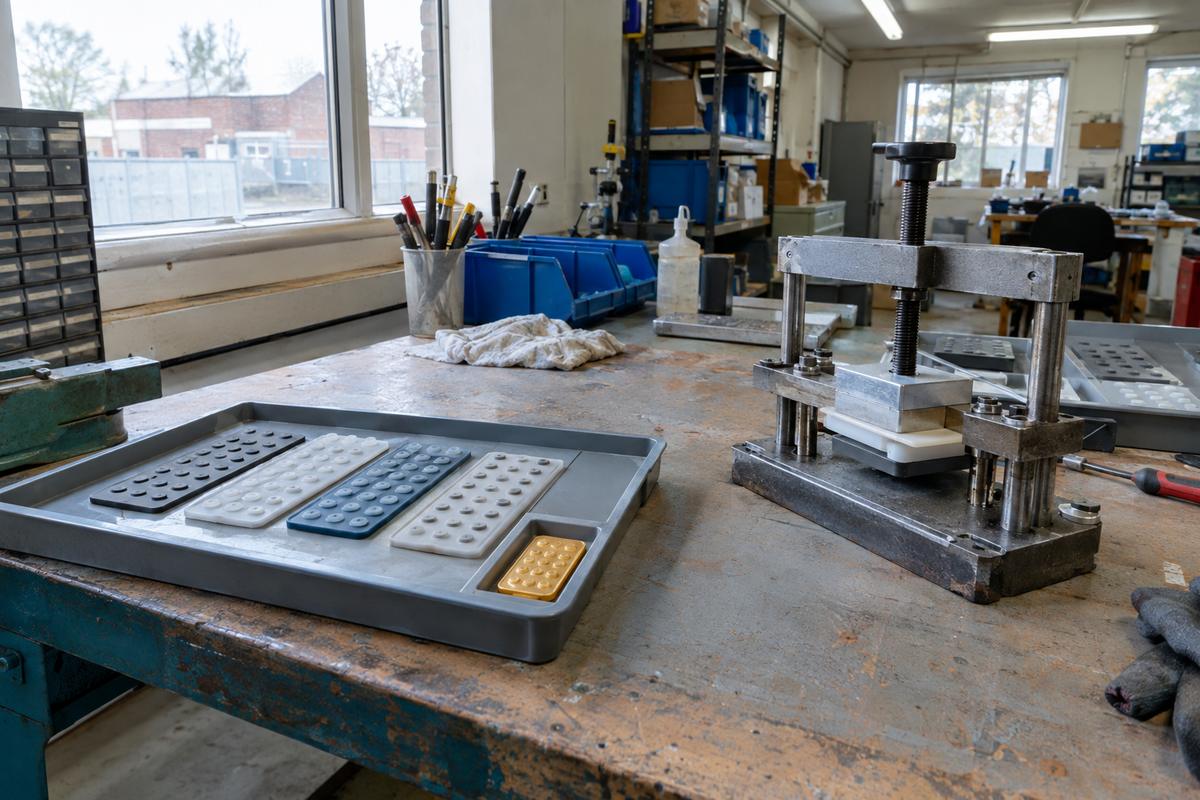
We also proposed pressing sample mats in three durometers — the current grade plus one either side — and letting the customer's product manager wear-test them. The purpose wasn't to change grade, but to verify that the current spec was actually the right one, and to have documented evidence if drift ever needed to be defended.
What we changed
The hard part wasn't manufacturing. It was documenting the manufacturing so it couldn't drift.
Silicone grade formally documented and signed off. Any change requires customer approval; no upstream supplier substitution.
Sample mats pressed in current grade and one either side. Customer's product manager wore each in the field for a day. Current grade confirmed as correct.
First batch after grade lock produced the golden sample. Signed off, retained, referenced for every subsequent batch.
Cure temperature, time and pressure formally documented as part of the run record. Any deviation requires quality sign-off.
Contact placement inspected at first-off on every batch — the electrical function is as important as the feel.
Batches produced against the customer's schedule. Each batch first-off compared to golden sample. Two years in, no user complaints about drift.
The commercial shape
Compression tooling investment was already sunk from the previous supplier — the customer owned the tool. We took over on the existing tooling with material and process discipline layered on top.
Per-part cost was roughly comparable to what the previous supplier had been charging. What changed was consistency: batch-to-batch feel drift eliminated, contact placement reliability improved, and customer-facing quality complaints stopped appearing in product reviews.
For a mature product where the drawing is stable and the volume is predictable, this kind of supplier transition is often more about discipline than about cost. The commercial value shows up in things you don't lose, not in a lower unit price.
“The keypad hasn't changed since we moved suppliers. That's exactly what we wanted.”
Services used
Silicone keypad mats and moulded buttons with a defined tactile feel, integrated conductive contacts, and graphics either printed on top or moulded…
See the serviceSolid silicone or rubber pre-formed, loaded into a heated steel tool, and pressed under cure. Sensible tooling cost, thousands of parts per tool, and…
See the serviceSilicone moulding for electronics OEMs — insulating gaskets, sealing membranes, keypad mats, connector boots, enclosure seals. Electronics-grade…
See the serviceMore project records
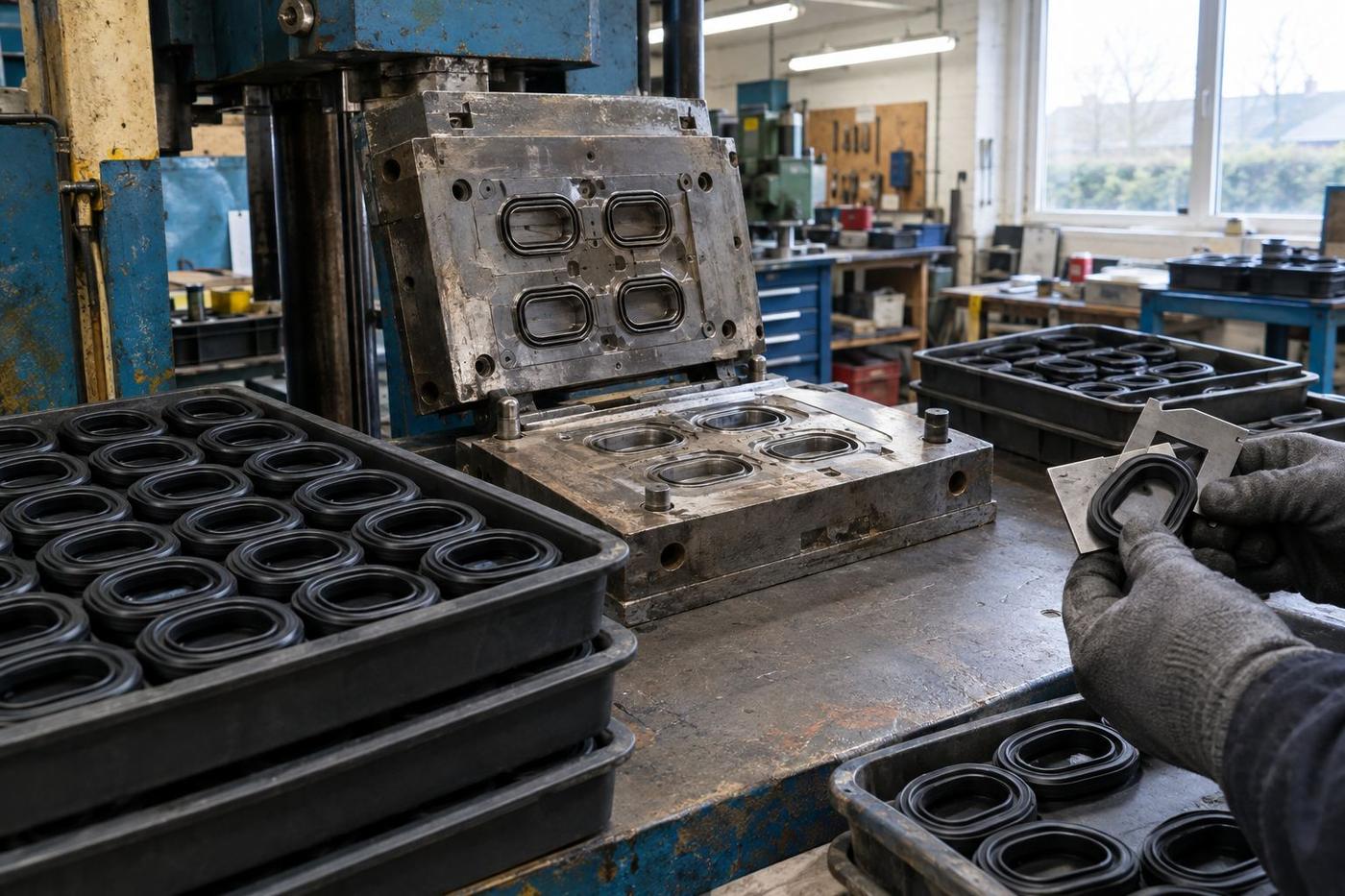
A rubber sealing component supplied into a tier-1 that fits it into a vehicle. Not exotic; not complex; just needs to arrive when the build schedule needs it.…
Read the record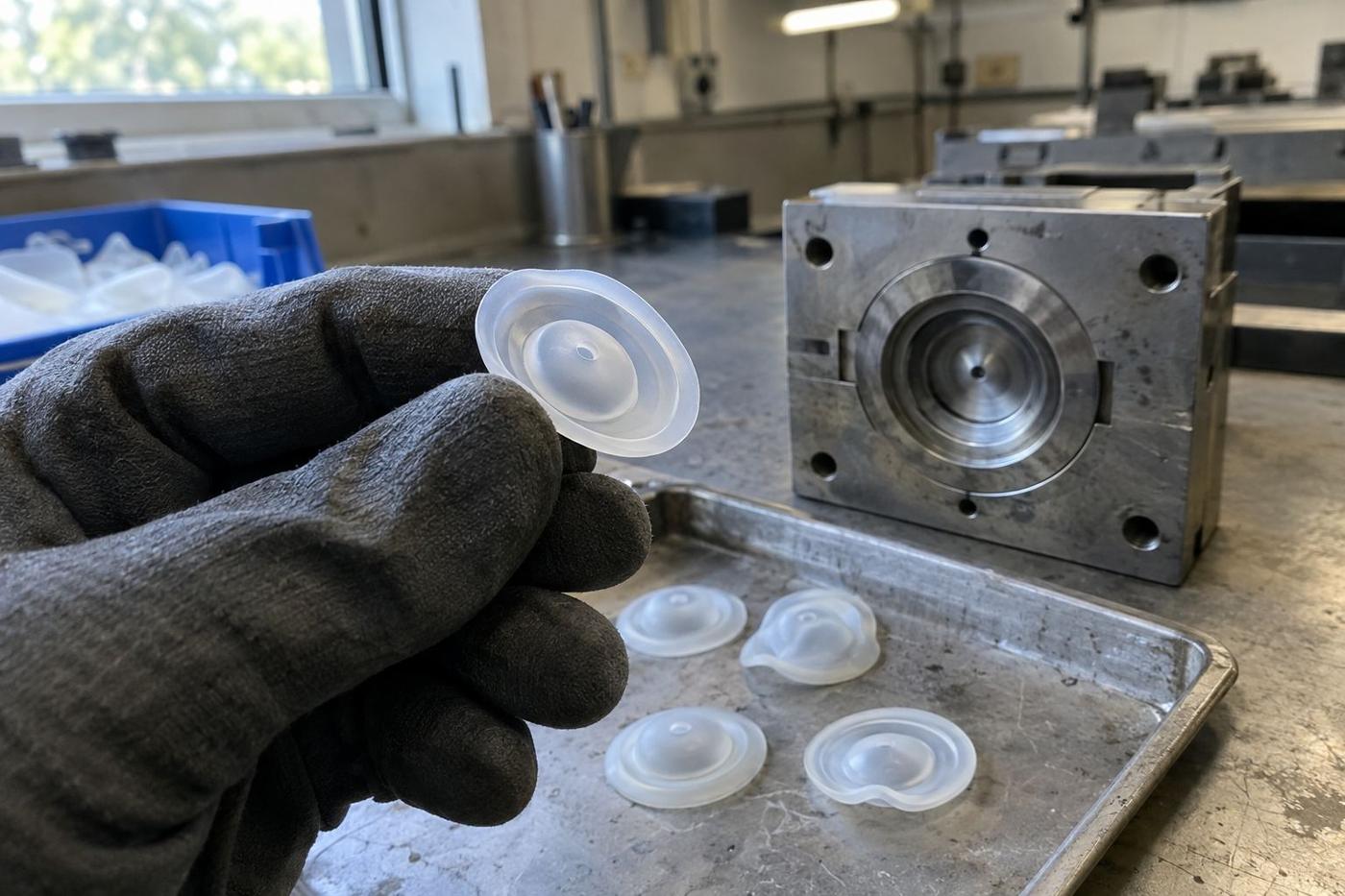
A precision-shaped silicone diaphragm that generates haptic feedback in a small consumer device. Prototype casting proved the design; production LSR held it…
Read the record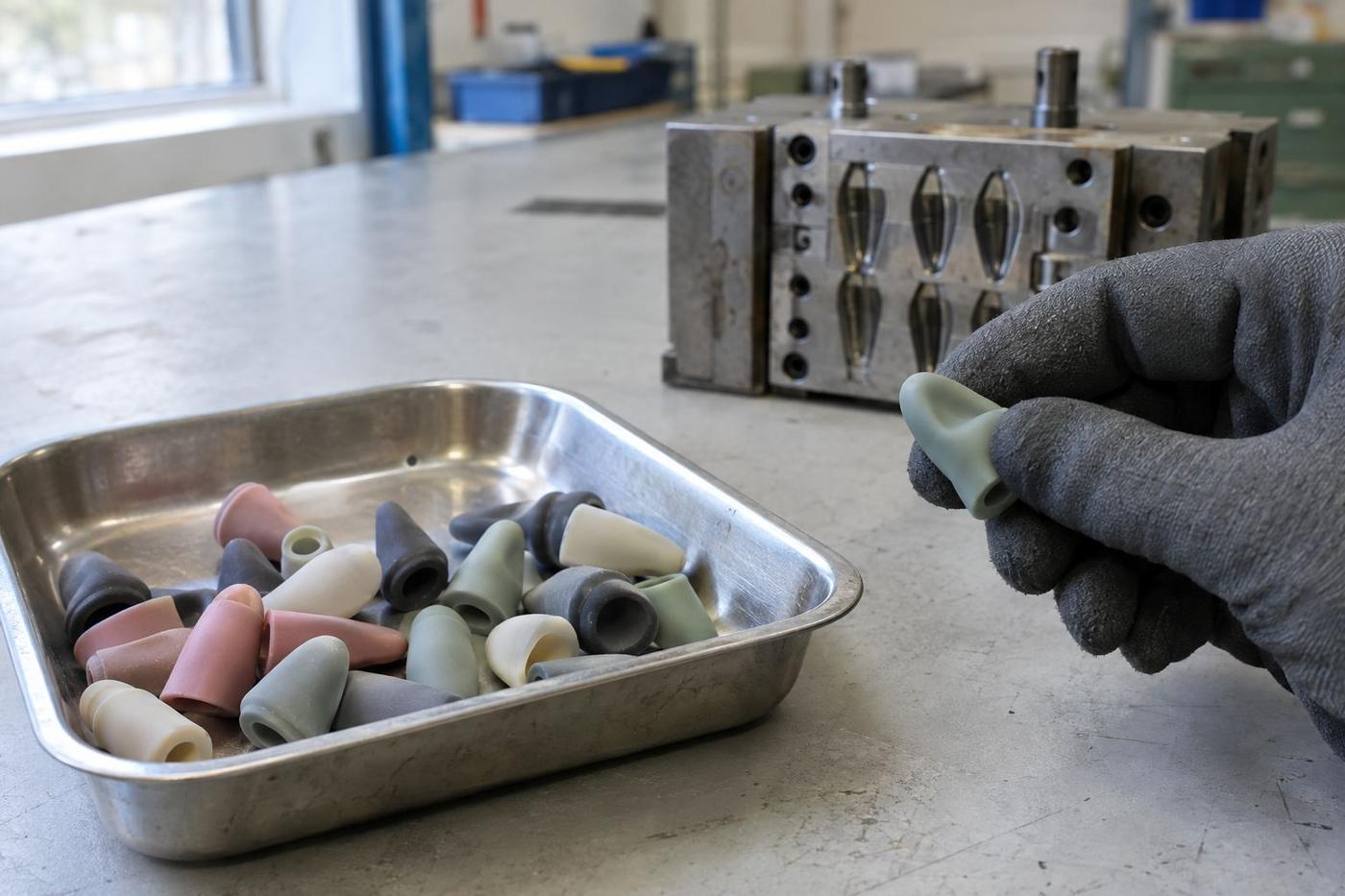
A soft silicone tip that fits on the end of a personal care device. Skin-contact, cleanable, colour-matched to the brand. Batch supply against a fluctuating…
Read the recordNext step
The commercial shapes described in our project records are examples of what's worked, not prices we're quoting today. Every programme sizes differently based on part geometry, annual volume, material family and paperwork requirements.
For a first conversation about whether we'd be the right supplier for your part, send a drawing or a sample with your rough annual volume. That's enough to know if the fit is real.
Get in touch
Rough annual volume, target unit price, and any deadlines. That's enough to work out whether compression, LSR injection or something else is the right tool.
Real people, a real workshop
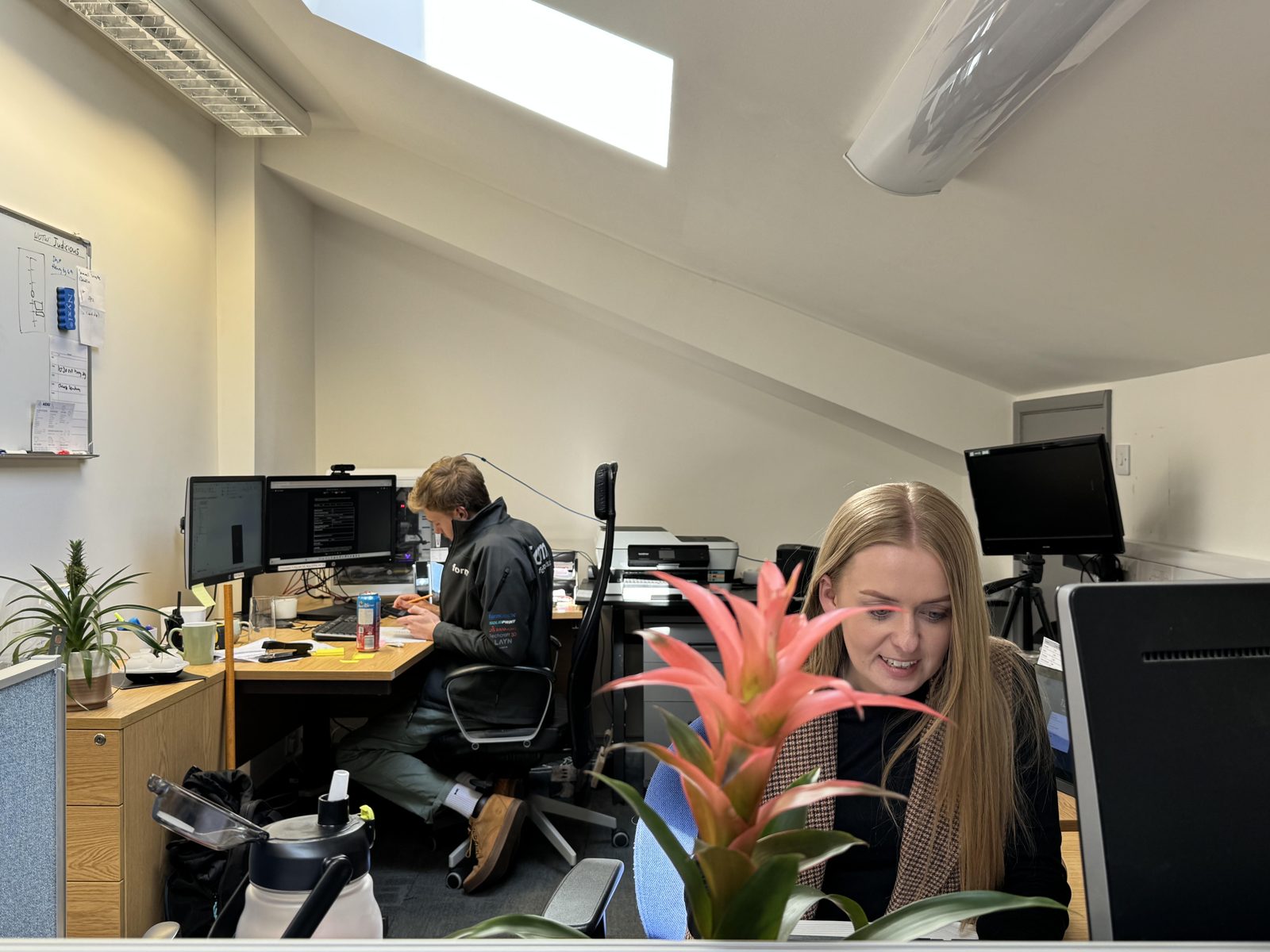
No call centre and no middlemen. When you contact TCI Products, you speak to the team who design, build and check your mould.
 Thomas LaneManaging Director
 George PrestonDesign & Project Manager
 Kelly BallingerHead of Partnerships
 Jim AndertonProduction Manager
 TheodoreEmployee Welfare