Volumes are modest
LSR tooling won't pay back.
Silicone manufacturing guide
Many silicone parts start life in HCR, compression or injection moulded. As volumes grow, LSR starts to look attractive. Here's how to tell whether the switch will pay off.
Two forms of silicone
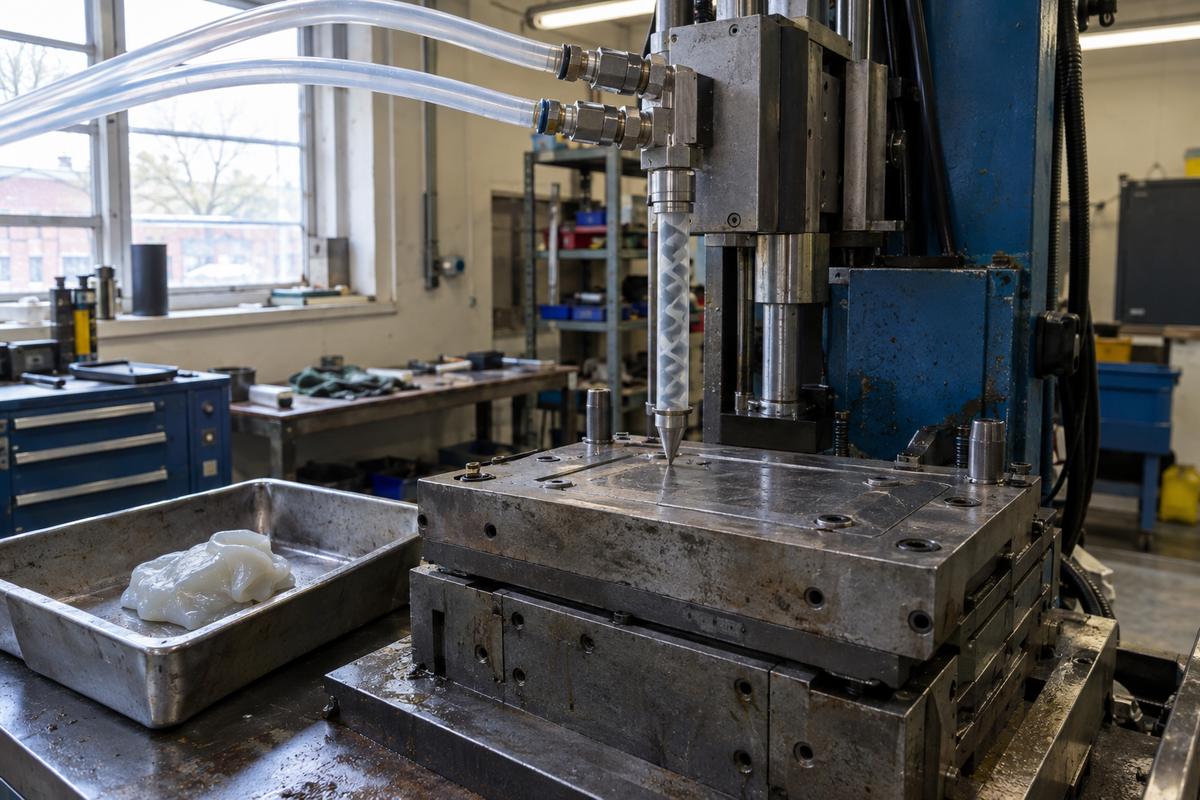
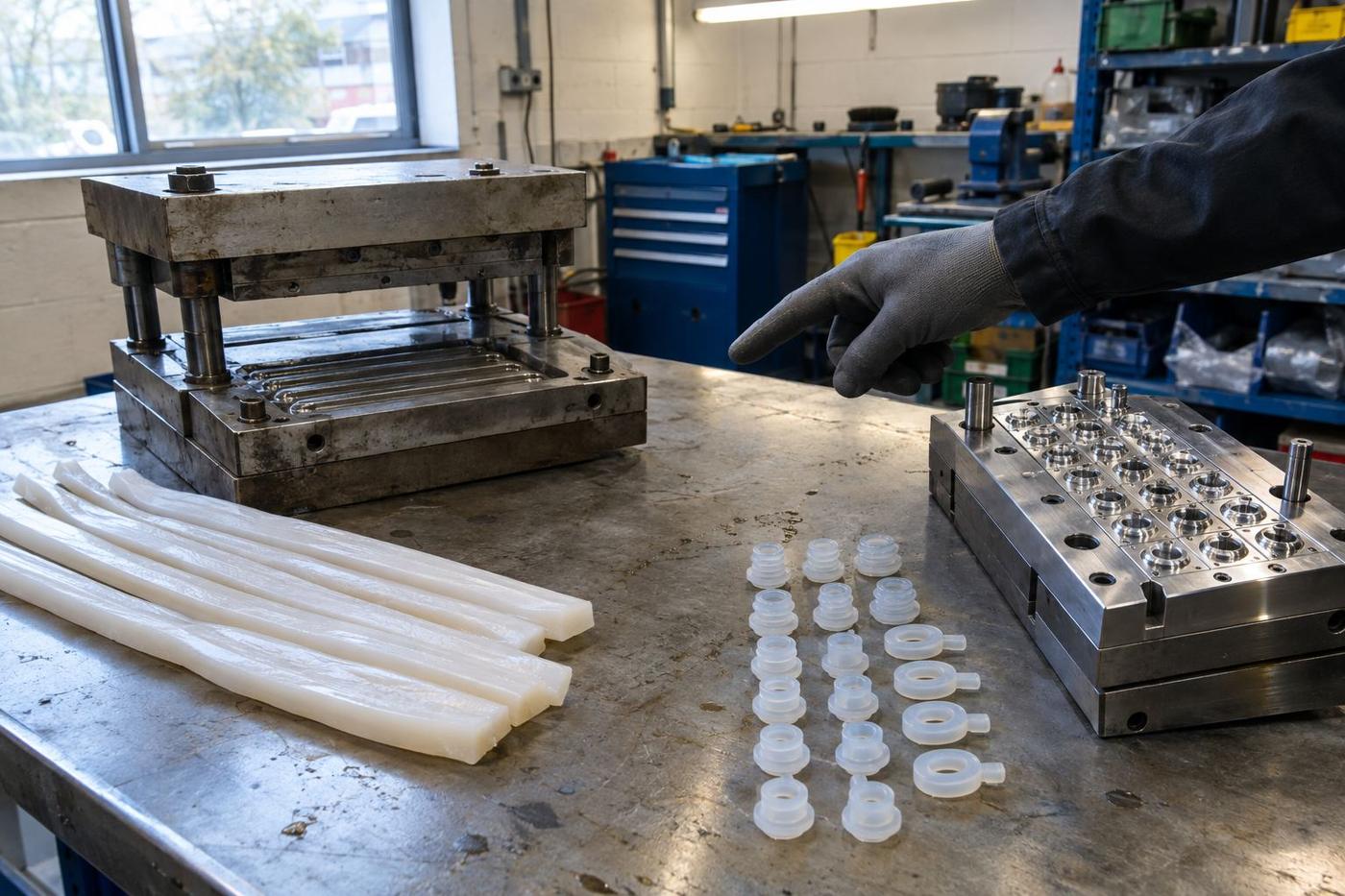
HCR arrives as a solid gum, milled and catalysed before moulding. LSR arrives as two liquids mixed at the press. Both cure into silicone rubber with overlapping properties.
LSR suits fast, automated injection with very little flash. HCR suits compression and some injection work, with a wider range of firmer and specialist compounds. See HCR injection and LSR injection.

When LSR wins
Faster cycles and less finishing reduce unit cost at high volume.
Flash removal is adding significant labour.
Tighter repeatability on thin or fine features.
When HCR is still right
LSR tooling won't pay back.
Some firmer or specialist grades are HCR only.
Big parts are often better in compression.
Regulated parts need formal review of the material change.
The process
It's a material and process change, so it's treated like one.
Both routes modelled against your forecast.
An LSR grade chosen to match key properties.
New tool, samples, testing in your product.
HCR supply continues until LSR is approved.
Keep reading
Three routes, one part, one honest answer. This is the conversation we have with almost every OEM customer on the first call.…
Read the guideOvermoulding, two-shot, and bonded assembly are all ways to end up with a silicone part attached to a rigid substrate. Each has a…
Read the guideThree material families that look and feel similar to a non-specialist, but behave very differently in production and in service.…
Read the guideAt a glance
Which route suits your quantity
Swipe to see the whole diagram
Get in touch
Rough annual volume, target unit price, and any deadlines. That's enough to work out whether compression, LSR injection or something else is the right tool.
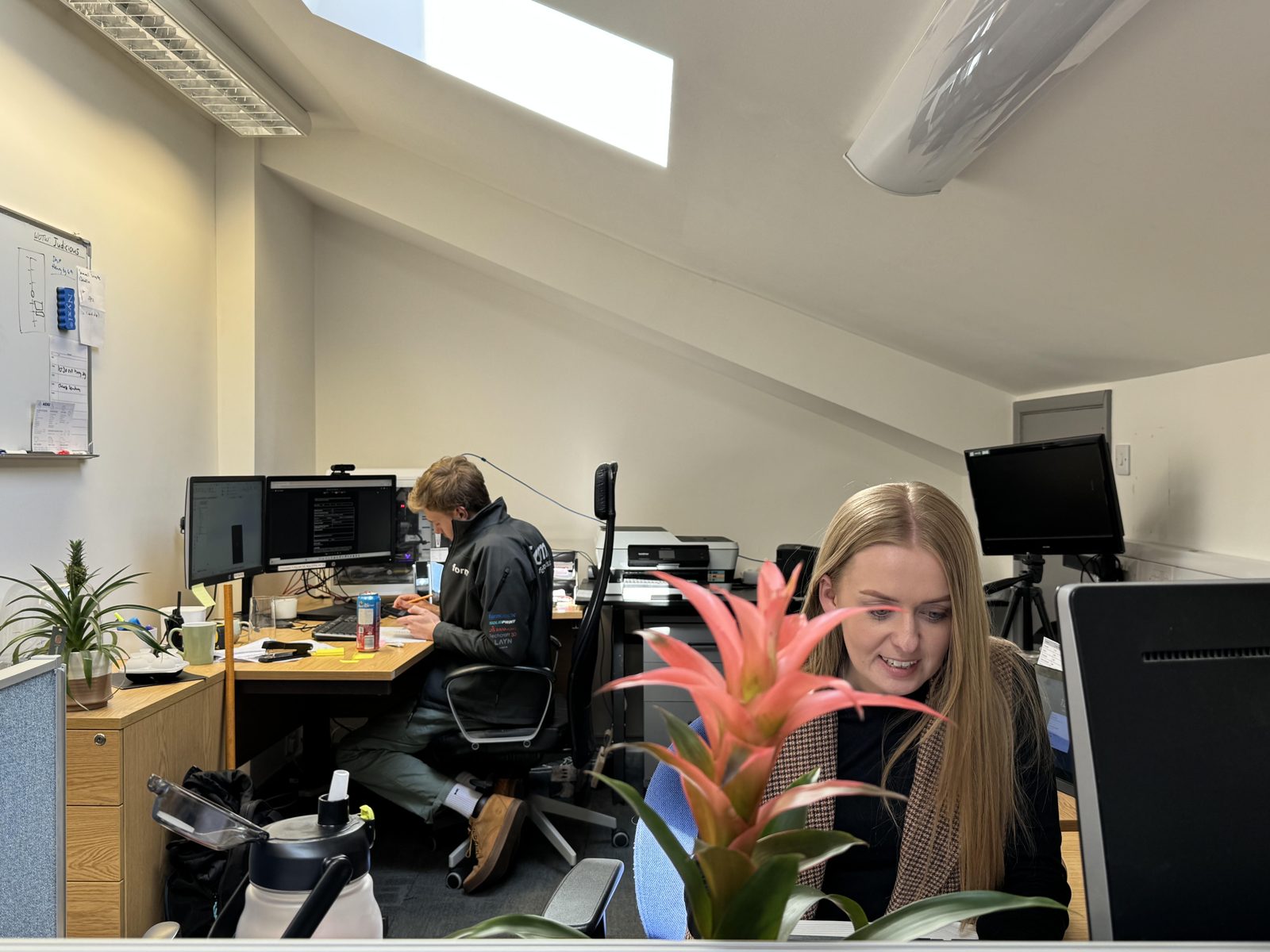
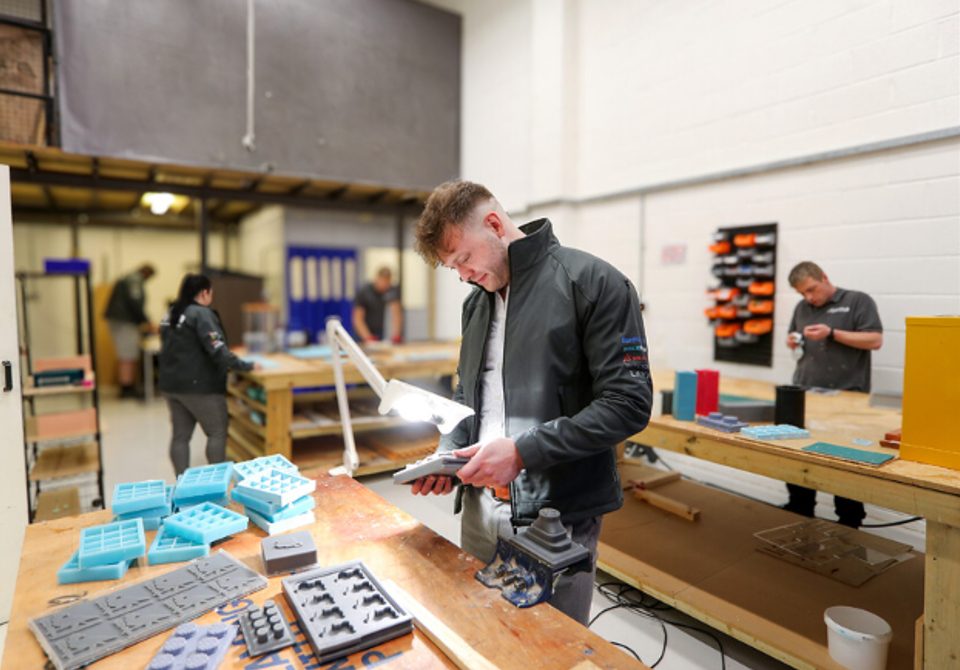
Real people, a real workshop
No call centre and no middlemen. When you contact TCI Products, you speak to the team who design, build and check your mould.

 Thomas LaneManaging Director
 George PrestonDesign & Project Manager
 Kelly BallingerHead of Partnerships
 Jim AndertonProduction Manager
 TheodoreEmployee Welfare