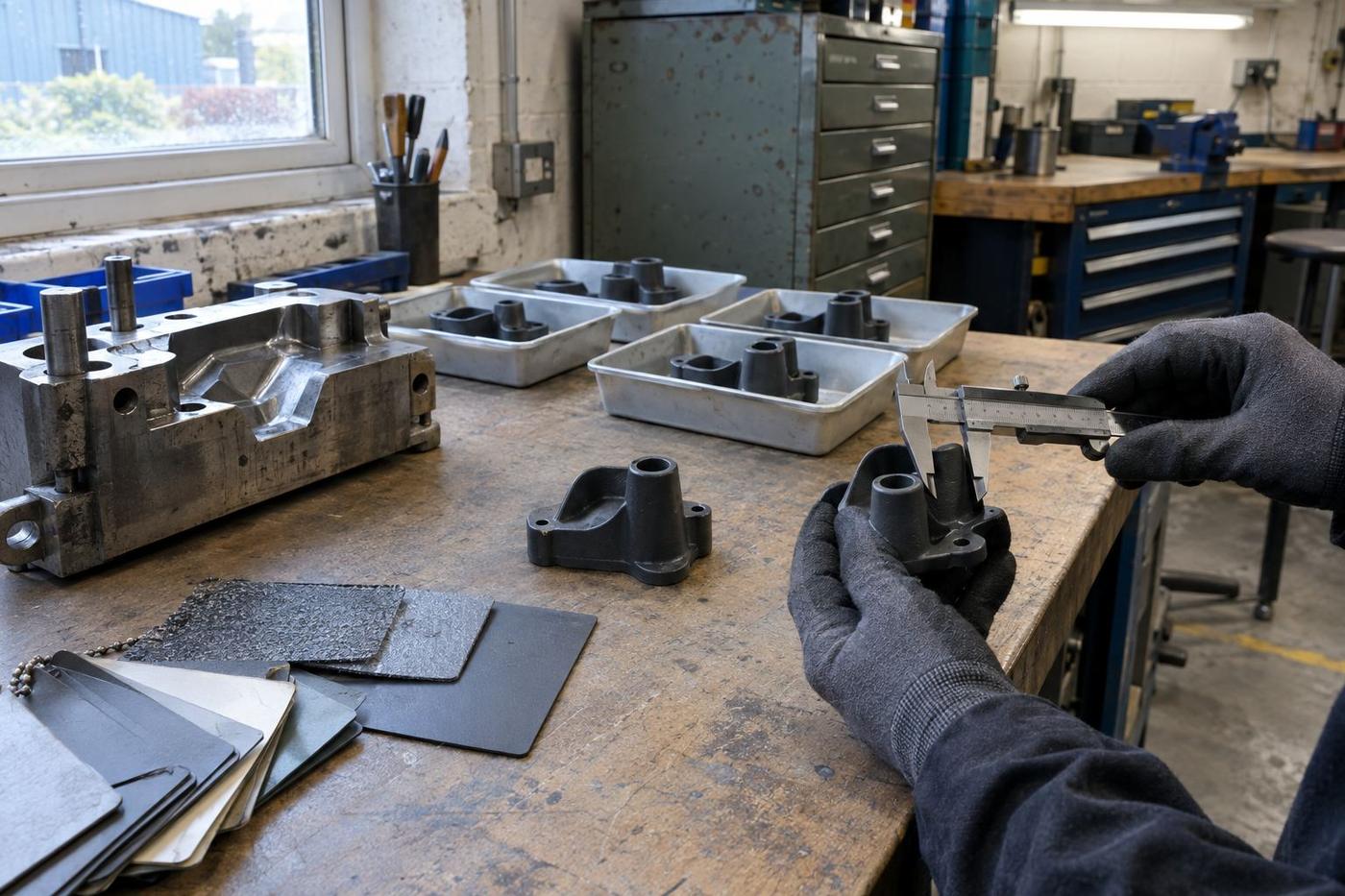
Tool transfer
Your supplier has closed, moved, or stopped being reliable. You own the tools. We'll take them in, check them, and get parts running again.
Open this variantOEM route · long-term supply
For parts that will be in production for years — components inside a device family, sealing parts on long-lived equipment, consumer parts on a rolling programme. The tool, the material spec, the drawing and the paperwork all held stable across every batch.
Why continuity matters
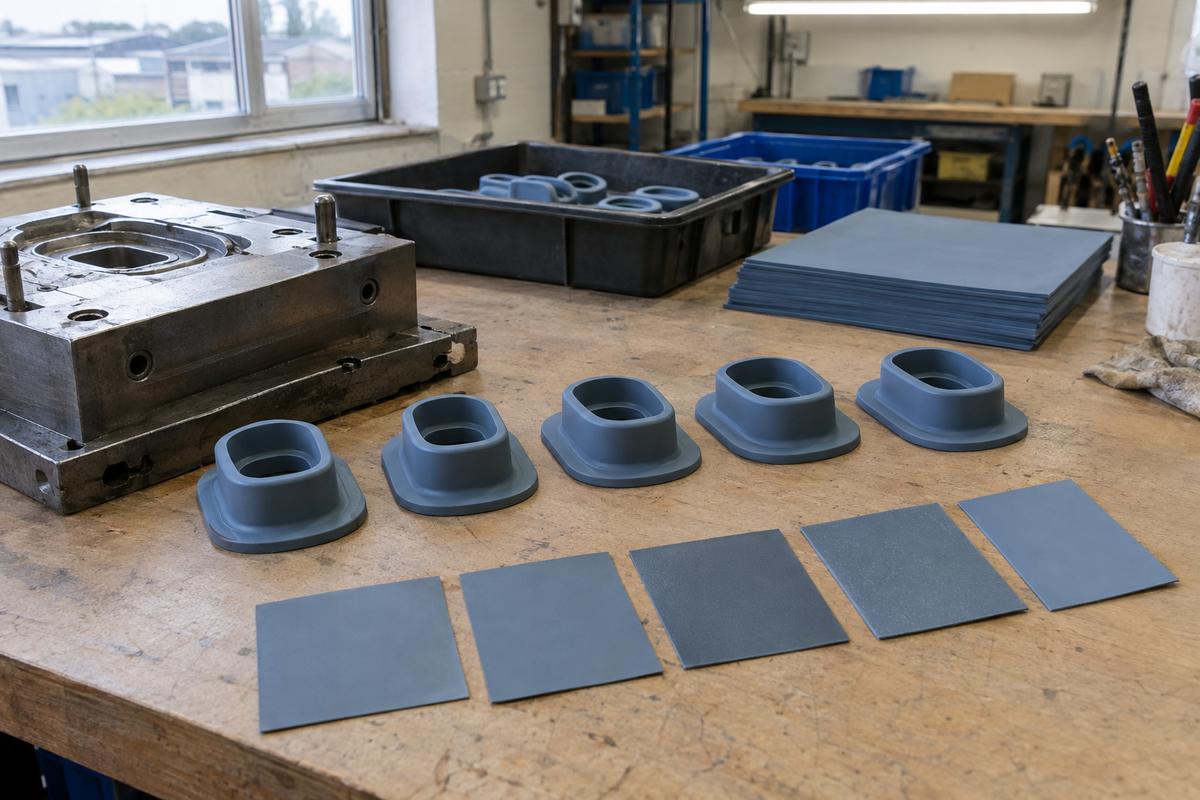
Getting a part right on the first run is one problem. Getting the same part, from the same tool, in the same material, to the same feel and colour, three years later after a supplier has been through several material batches, several operators and probably a couple of process improvements — that's a different problem entirely.
We manage continuity through three linked disciplines: tool maintenance (the steel gets cleaned, inspected and, if needed, repaired between runs), material spec control (the grade, colour and cure system are fixed at first sign-off and don't drift), and drawing control (the drawing we mould to is the one you last signed off, not a marked-up copy in someone's inbox).
For every long-running programme, you have a named engineer who owns the tool and the paperwork. If the material supplier changes something upstream, you hear about it. If a batch drifts on colour or feel, you're told before it ships, not after you receive it.
For programmes that outlive the original design assumptions — a device selling well enough that the volume goes up — we can migrate the tool. Compression to LSR, single-cavity to multi-cavity, without redesigning the part from scratch. The migration is planned rather than emergency-triggered.
Drill down
Each variant has its own page with the specifics: where it fits, how we run it and what to send us.
Your supplier has closed, moved, or stopped being reliable. You own the tools. We'll take them in, check them, and get parts running again.
Open this variantA well-looked-after tool keeps making good parts for years. Refurbishment catches wear before it becomes a quality problem.
Open this variantHow continuity is held
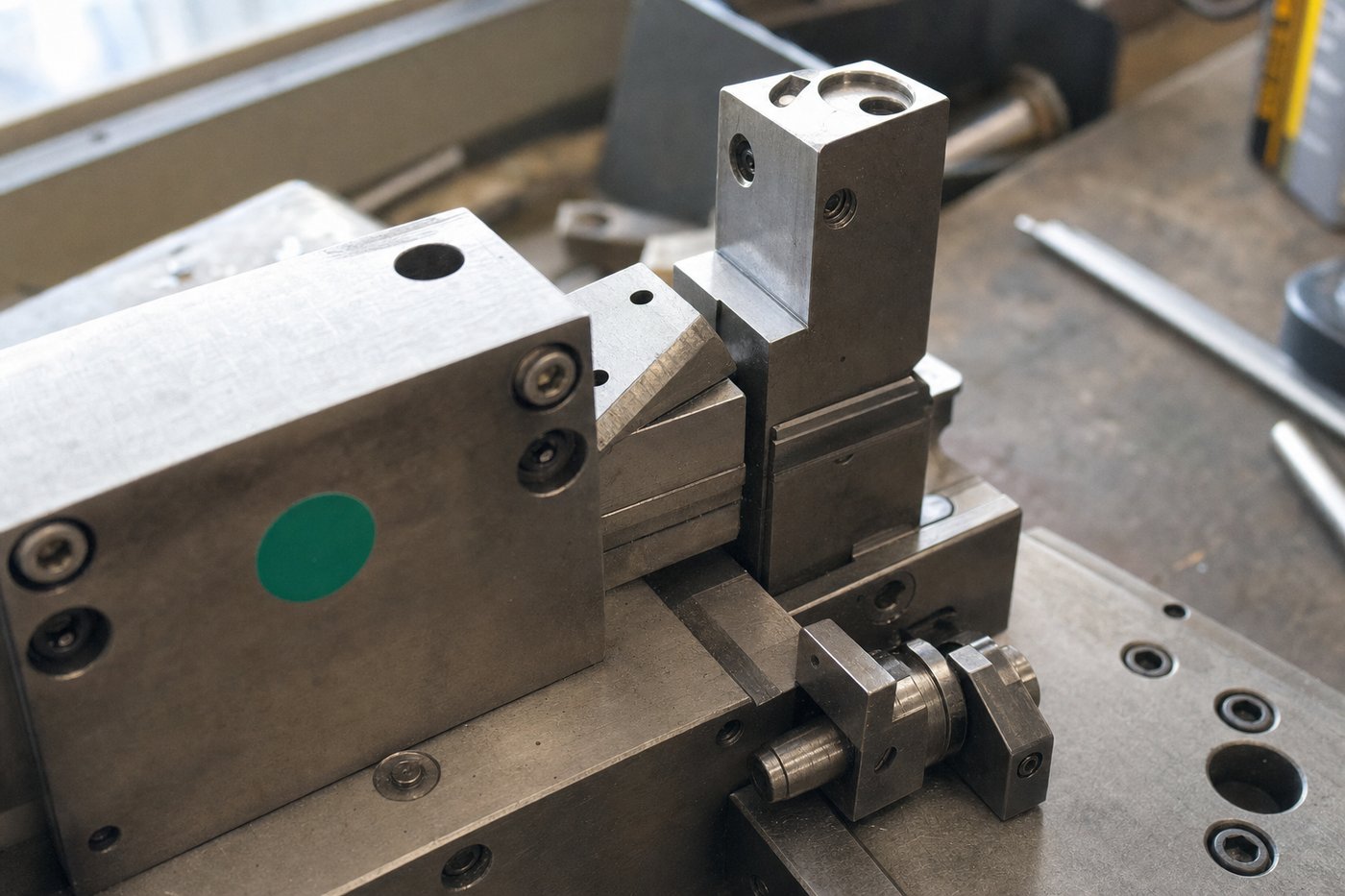
The steel is cleaned, inspected and, where needed, polished or repaired between runs. Wear is tracked; if the tool needs a full refurb, you're told before it degrades the part.
Grade, colour, cure system and supplier are fixed at first sign-off. Any change — even a supplier change forced upstream — is communicated before it hits your batch.
The drawing on our floor is the one you last signed off. Changes go through a revision process, not through email. Every batch references the drawing revision it was moulded to.
How a long-run programme runs
First batch is signed off carefully because everything after it references it. The rest of the programme is disciplined repetition against that reference.
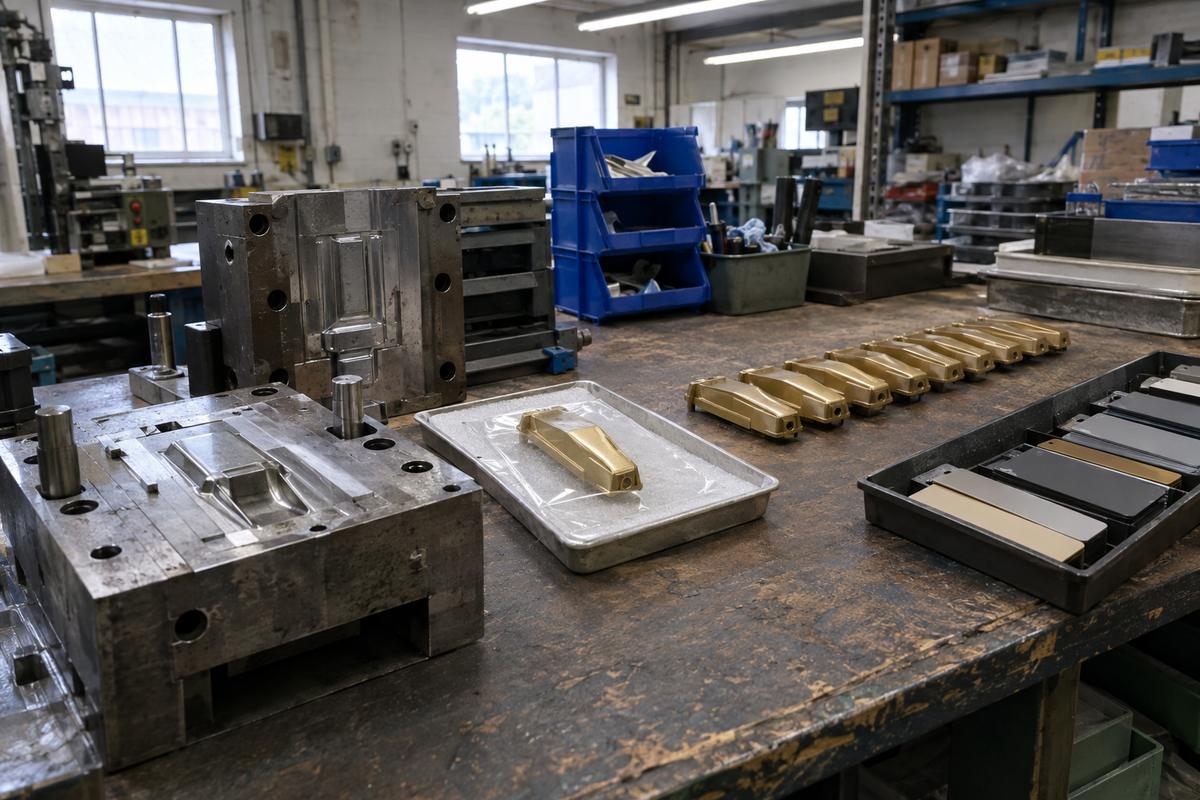
First production batch produces the golden sample. Signed off by you against feel, colour, dimensions. That sample becomes the reference for every subsequent batch.
How often you want batches, how much notice you can give, whether we hold finished stock or make to order. That's built into the annual quote.
Each batch first-off checked against the golden sample. Material batch, tool ID and cycle count recorded. Any deviation reported before the batch ships.
Between batches — or at defined cycle counts — the tool comes out for cleaning and inspection. Wear is measured; refurb is scheduled rather than surprise-triggered.
If demand outgrows the original tooling assumption, we plan the migration — usually compression to LSR — rather than being forced into an emergency retool.
To quote it
How long the parent product is expected to be in production. That drives tool steel choice and refurb intervals.
Constant year-round demand, seasonal, or ramping. Different schedules suit different tool designs and different cavity counts.
Whether the part is likely to see revisions during its life. If yes, we design with revision in mind — modular tool inserts rather than a single monolithic cavity.
How your quality team wants batch records delivered. Easier to build the record correctly than to retrofit it two years in.
Related routes
For volumes measured in the hundreds or low thousands per batch, released on your schedule rather than ours. Bridge tooling, dedicated compression,…
Read moreSilicone moulding for medical device makers using medical-grade materials to a documented specification, with batch traceability from drum to…
Read moreSilicone products moulded, finished, packaged and labelled to your brand — ready to ship into your retail, e-commerce or wholesale channel. Your…
Read moreAt a glance
Which route suits your quantity
Swipe to see the whole diagram
Get in touch
Rough annual volume, target unit price, and any deadlines. That's enough to work out whether compression, LSR injection or something else is the right tool.
Real people, a real workshop
No call centre and no middlemen. When you contact TCI Products, you speak to the team who design, build and check your mould.
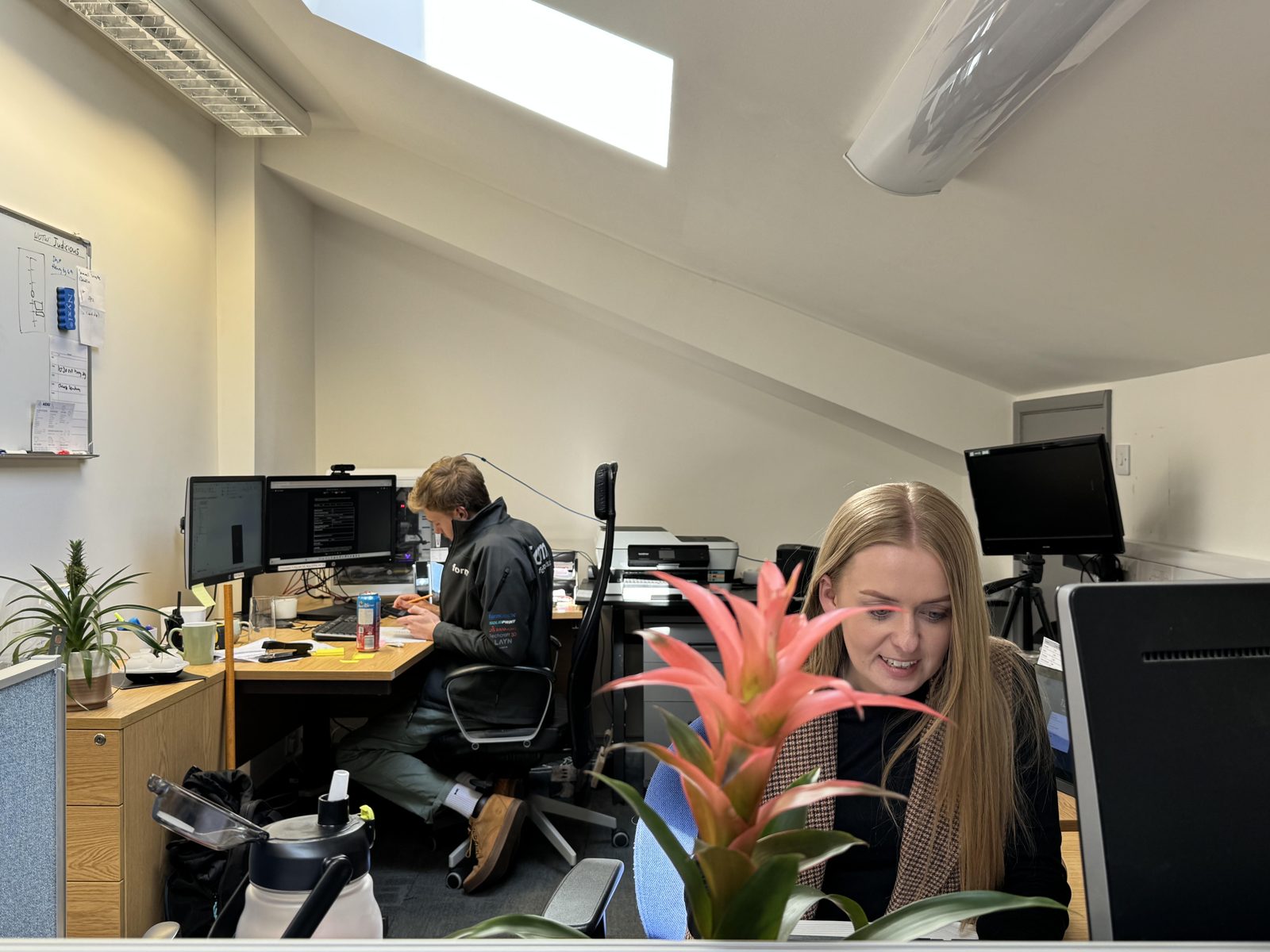
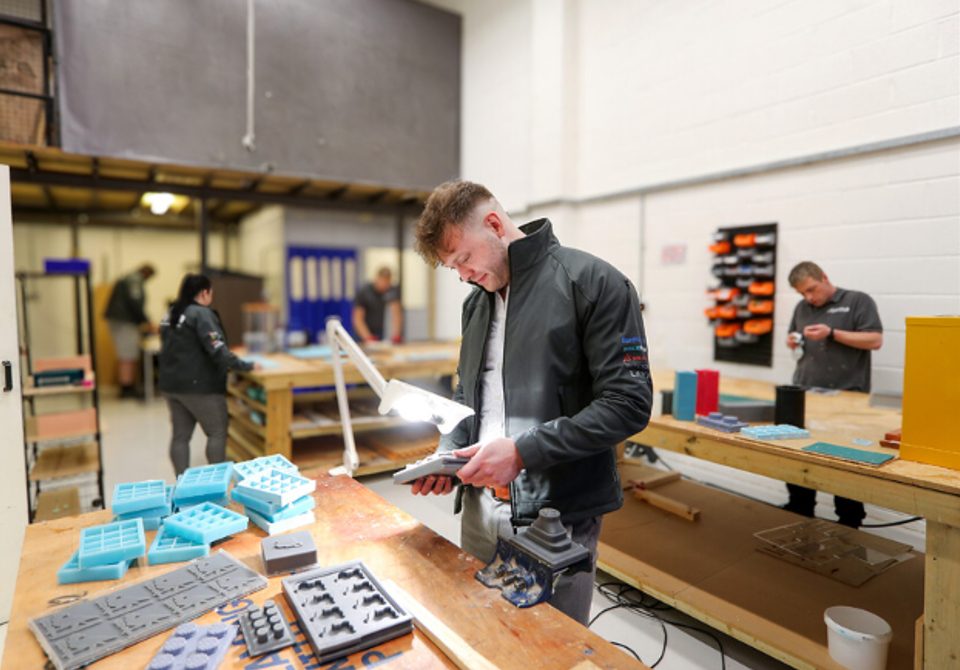

 Thomas LaneManaging Director
 George PrestonDesign & Project Manager
 Kelly BallingerHead of Partnerships
 Jim AndertonProduction Manager
 TheodoreEmployee Welfare