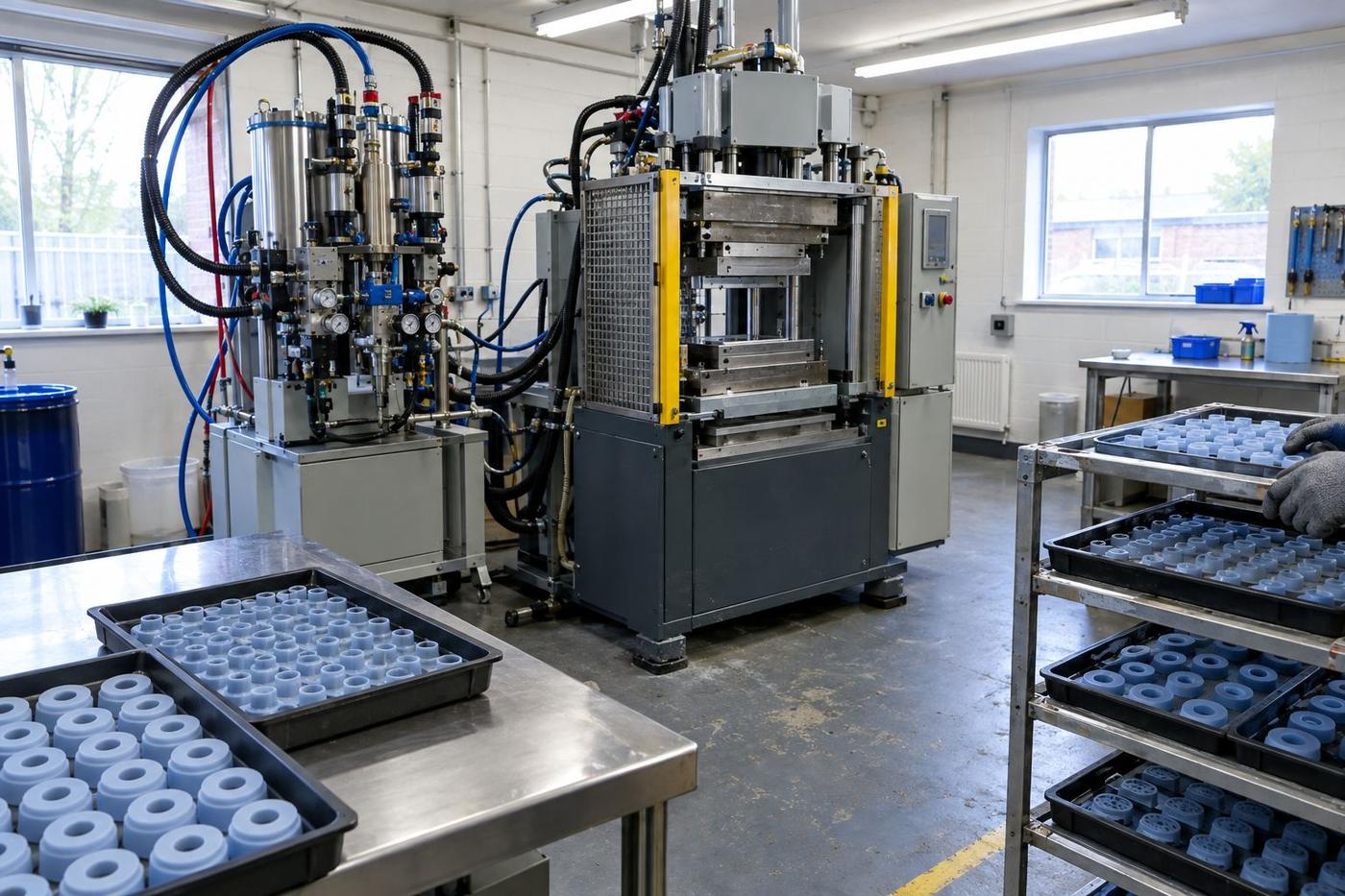
Optical-grade LSR
Clear silicone shows everything: flow lines, bubbles, dust and tool marks. Optical-grade LSR work is about tooling, handling and…
Open this variantVolume route · liquid silicone rubber
Two-part liquid silicone metered, mixed, injected cold and cured hot. The cleanest route we have for medical, wearable and electronics parts at genuine volume, with very little to trim after the press opens.
Why LSR is different
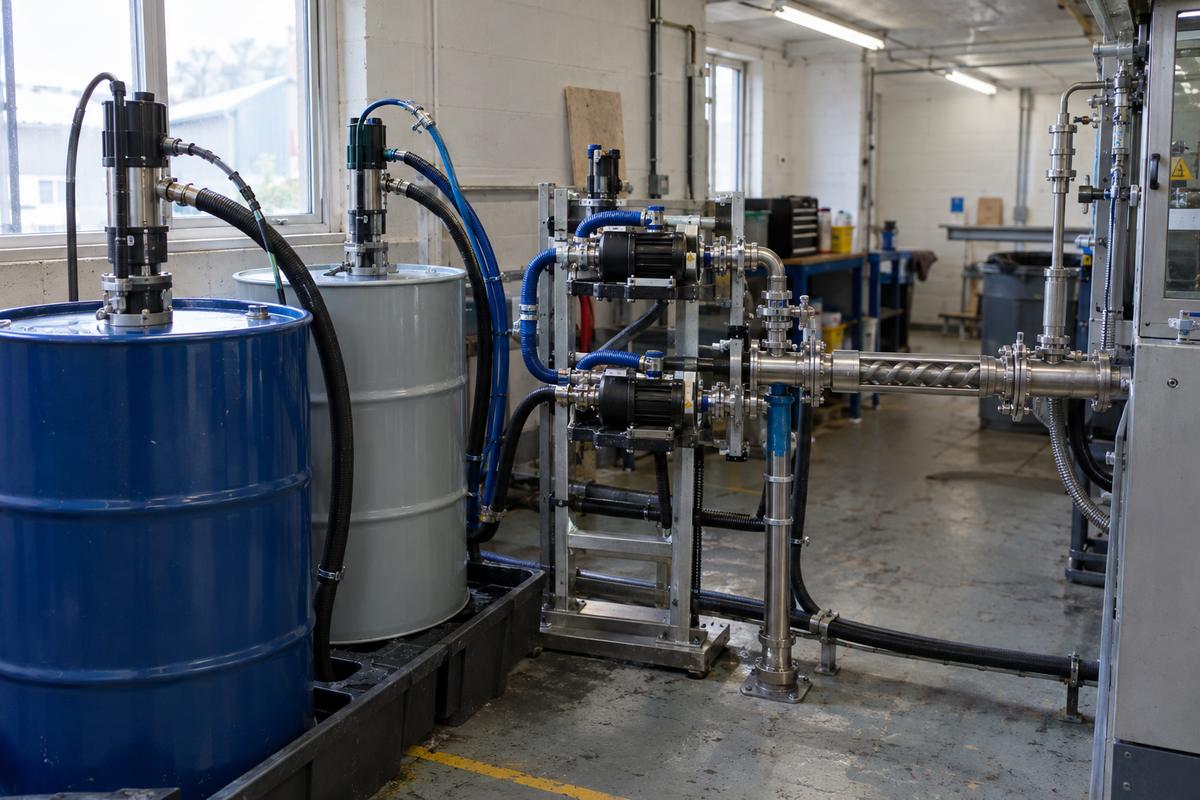
LSR arrives as two components in matched drums. They're pumped in a fixed ratio into a static mixer, injected cold into a heated tool, and cured in seconds. Once the two components meet, the clock is running — everything downstream of the mixer is designed to be flushed and kept clean.
Because the runners stay cool while the tool stays hot, cold-runner LSR tooling wastes almost nothing between shots. On a well-designed tool, the runner cures inside the manifold and the parts leave the press effectively finished.
That combination — very little flash, tight repeatability, and a material family that includes medical- and electronics-grade options — makes LSR the default answer for wearables, medical device components, seals with tight sealing tolerances, and any part where hand-trimming after the press would be unacceptable.
It's not automatically the right answer, though. LSR tooling is more expensive to specify and to maintain than a compression tool. Below roughly 20,000 parts a year, compression often wins on total cost. We'll model both routes for you before you commit.
Drill down
Each variant has its own page with the specifics: where it fits, how we run it and what to send us.
Clear silicone shows everything: flow lines, bubbles, dust and tool marks. Optical-grade LSR work is about tooling, handling and…
Open this variantLSR flows easily, fills thin sections and bonds to many substrates when the grade and preparation are right. That makes it the usual choice…
Open this variantSome silicone parts weigh less than a paperclip. At that scale, handling, inspection and packing matter as much as the moulding itself.
Open this variantWhere LSR earns its keep
A wearable that touches skin, a medical seal that mates to a housing, a keypad face — anywhere a witness line would be a defect. LSR tools cured cleanly leave nothing to remove.
LSR grades from the major suppliers carry batch documentation. We record the drum batch against your run, so a repeat next year uses documented material of the same specification.
Cure happens in seconds, not minutes. On the right part geometry, cycle time drops far enough that unit cost comes down even after the tool amortises.
How the process runs
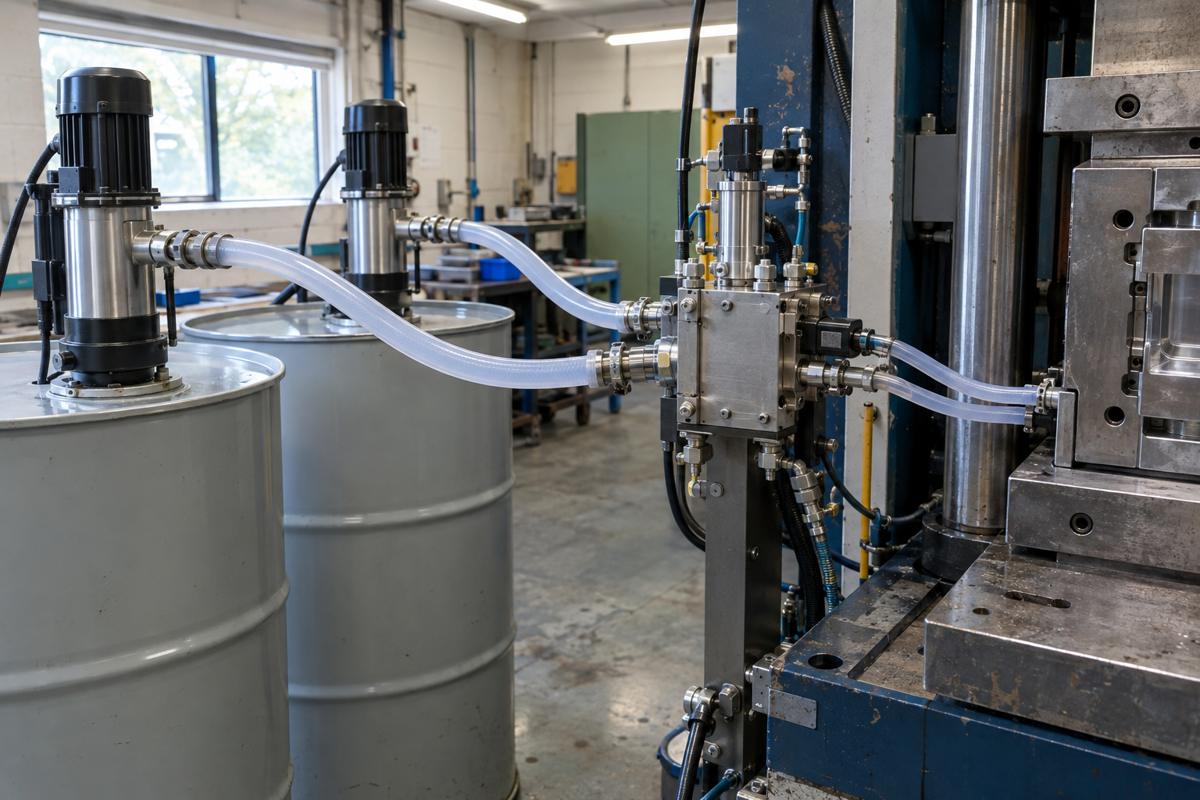
The chemistry runs the process. Our job is to keep the ratio right, the runners clean, and the tool at the temperature the material was specified for.
Pumps deliver A and B components in a fixed ratio. If the ratio drifts, the material either fails to cure or cures faster than the tool can accept it. Ratio monitoring runs continuously through the shift.
Components combine in a static mixer immediately before the shot. Once combined, the clock is running. Everything downstream is designed to be cleared and purged between colour or material changes.
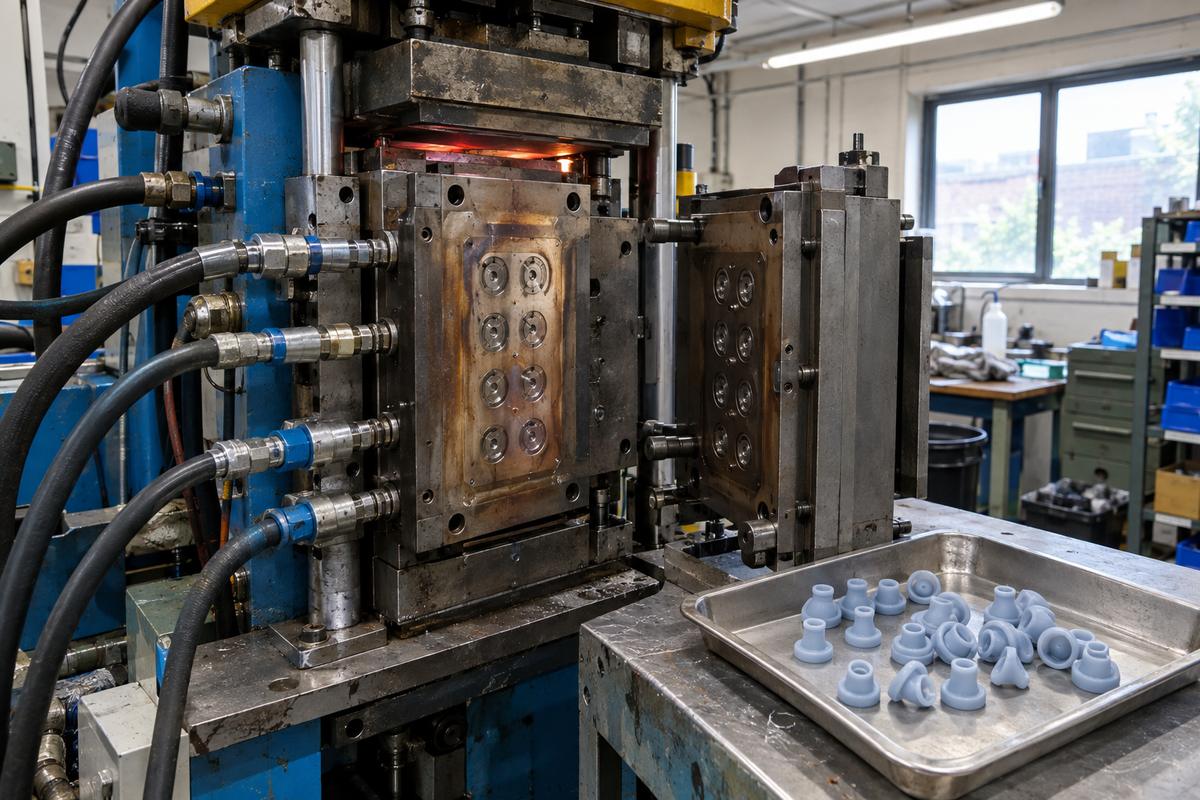
The runner stays cool, the tool cavities stay hot. Material enters cold, cures in the cavity, and the runner cures inside a cold-runner manifold — or, on smaller tools, is trimmed as a small sprue.
Cure completes in the tool. Parts release into a catcher or onto a conveyor. On automated cells, a robot removes the shot and places it into the inspection lane.
First-off parts against the approved sample; drum batch against the order. If the run is medical- or electronics-grade, this record travels with the shipment.
To quote it
LSR tooling investment recovers over years, not months. A confident three-year forecast is a better answer than a hopeful one-year one.
Medical-grade to a documented spec, electronics-grade insulation, or general-purpose LSR. Each has different material cost and different paperwork requirements.
Where the parting line lands affects whether the part needs any trim at all. On LSR, the whole point is often that it doesn't.
Whether it's a standalone part, an overmoulded assembly, or one shot of a two-shot programme changes the tool spec more than the material choice does.
Related routes
High-consistency silicone injected under heat into steel tooling. For a component you'll buy every quarter for years, this is the lowest cost per…
Read moreSilicone moulding for medical device makers using medical-grade materials to a documented specification, with batch traceability from drum to…
Read moreSilicone or rubber moulded directly onto a pre-made substrate — a plastic housing, a metal insert, a printed circuit assembly — so the finished part…
Read moreAt a glance
Which route suits your quantity
Swipe to see the whole diagram
Get in touch
Rough annual volume, target unit price, and any deadlines. That's enough to work out whether compression, LSR injection or something else is the right tool.
Real people, a real workshop
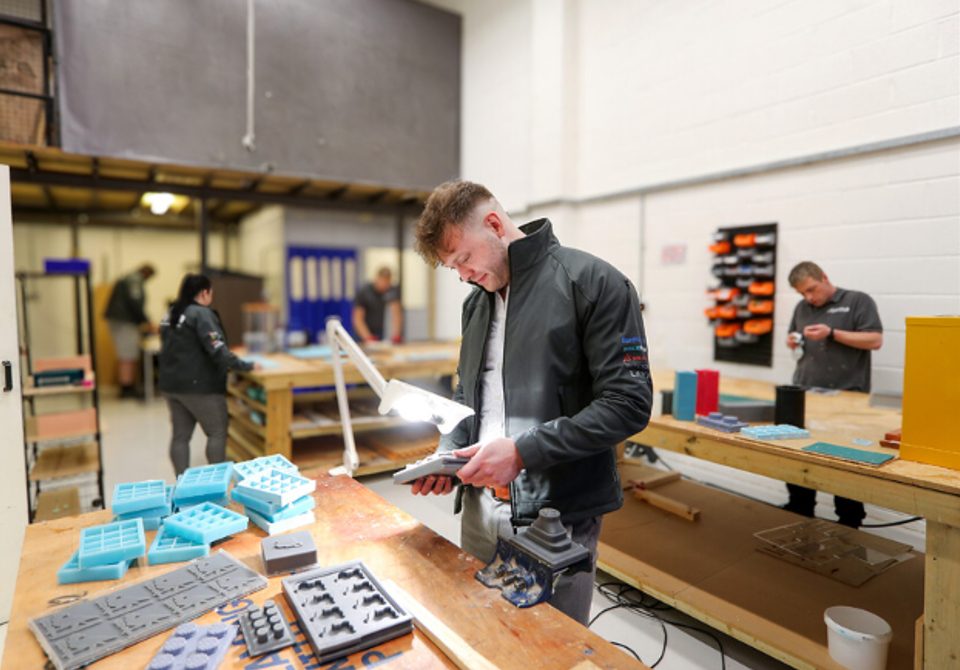
No call centre and no middlemen. When you contact TCI Products, you speak to the team who design, build and check your mould.


 Thomas LaneManaging Director
 George PrestonDesign & Project Manager
 Kelly BallingerHead of Partnerships
 Jim AndertonProduction Manager
 TheodoreEmployee Welfare