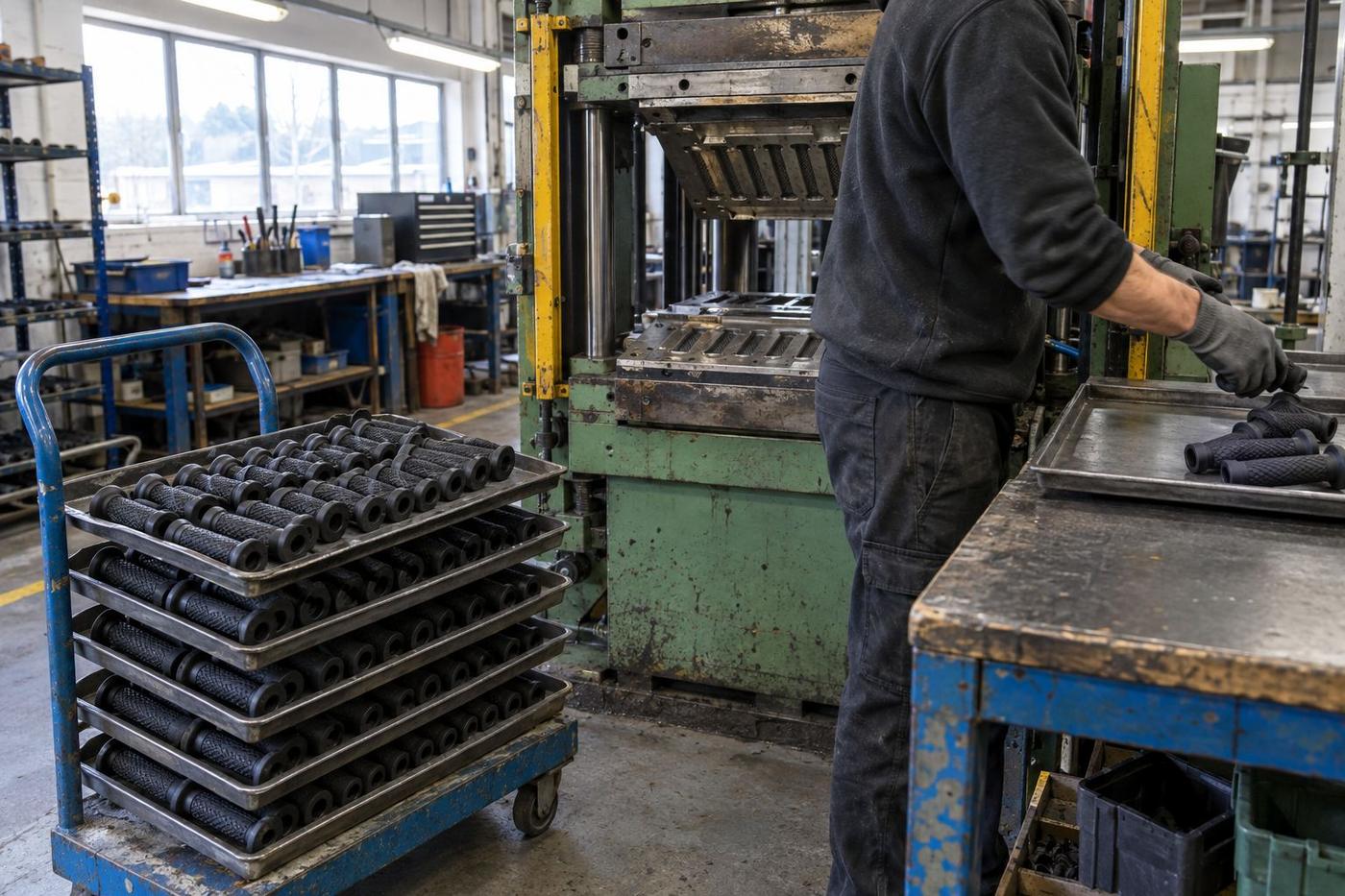
Compression moulding
Solid silicone or rubber pre-formed, loaded into a heated steel tool, and pressed under cure. Sensible tooling cost, thousands of parts per tool, and…
See the serviceProject record · Outdoor equipment · Compression
A textured rubber grip fitted to outdoor equipment. UV-stable, weather-resistant, comfortable in cold and wet conditions. Batch supply across a family of tools sharing a common grip design.
The brief
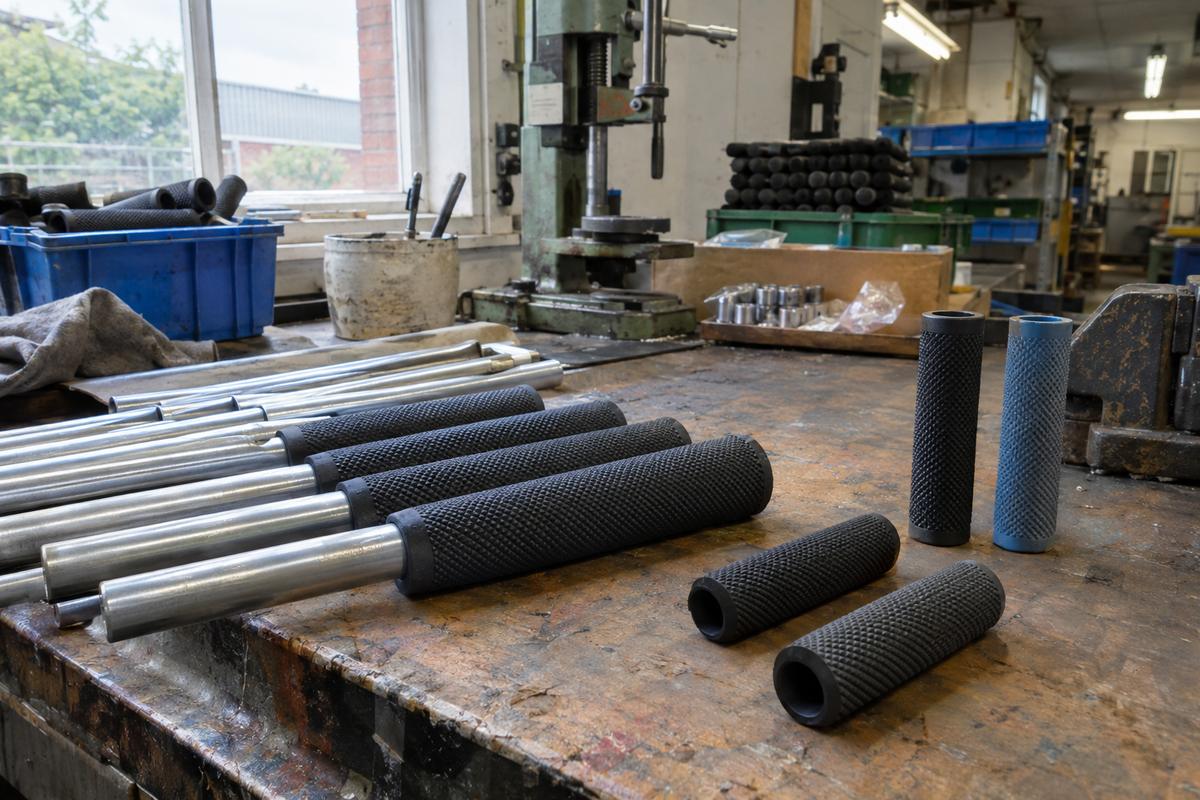
An outdoor equipment brand produces a range of gardening and outdoor maintenance tools. Several products in the range share a common grip design — a textured rubber sleeve that fits over the tool handle for comfort and control.
The grip had to feel comfortable in cold, warm, wet and dry conditions; it had to survive UV exposure over a multi-year product life; it had to be recognisable as part of the brand family through consistent colour and texture.
The brand had been sourcing the grip from a general-purpose rubber moulder who didn't specialise in either UV compounds or in tight colour matching. Batches drifted; UV degradation was visible after two seasons; customer feedback started to reference it.
The problem
The original supplier had been using a general-purpose natural rubber compound. Cheap, easy to mould, wrong for outdoor. Natural rubber degrades in UV — visible surface crazing after eighteen months, colour fading, tactile change. For a premium outdoor brand, all three were reputational damage.
The right compound was EPDM. UV-stable, weather-resistant, comfortable across the temperature range the tools would see. Slightly more expensive per unit, dramatically better in field performance.
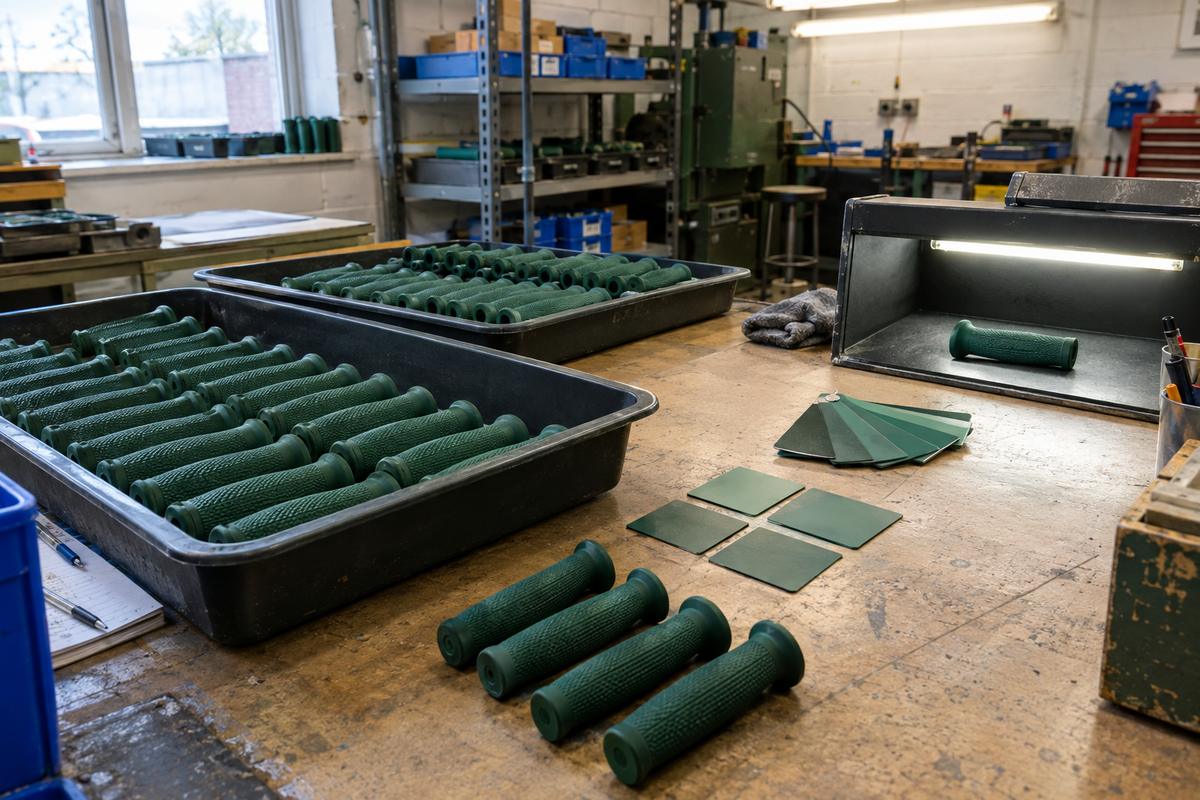
Colour discipline was the second fix. The brand's signature colour — a specific deep green — was in the brand guidelines but had never been matched against physical silicone chips. Every batch had drifted slightly; over the range, the tools no longer looked like a family.
What we changed
Two disciplines, applied to a straightforward moulding job. Field performance recovered.
Weather-stable EPDM compound specified. Field performance tests confirmed no visible degradation across simulated outdoor exposure equivalent to two seasons.
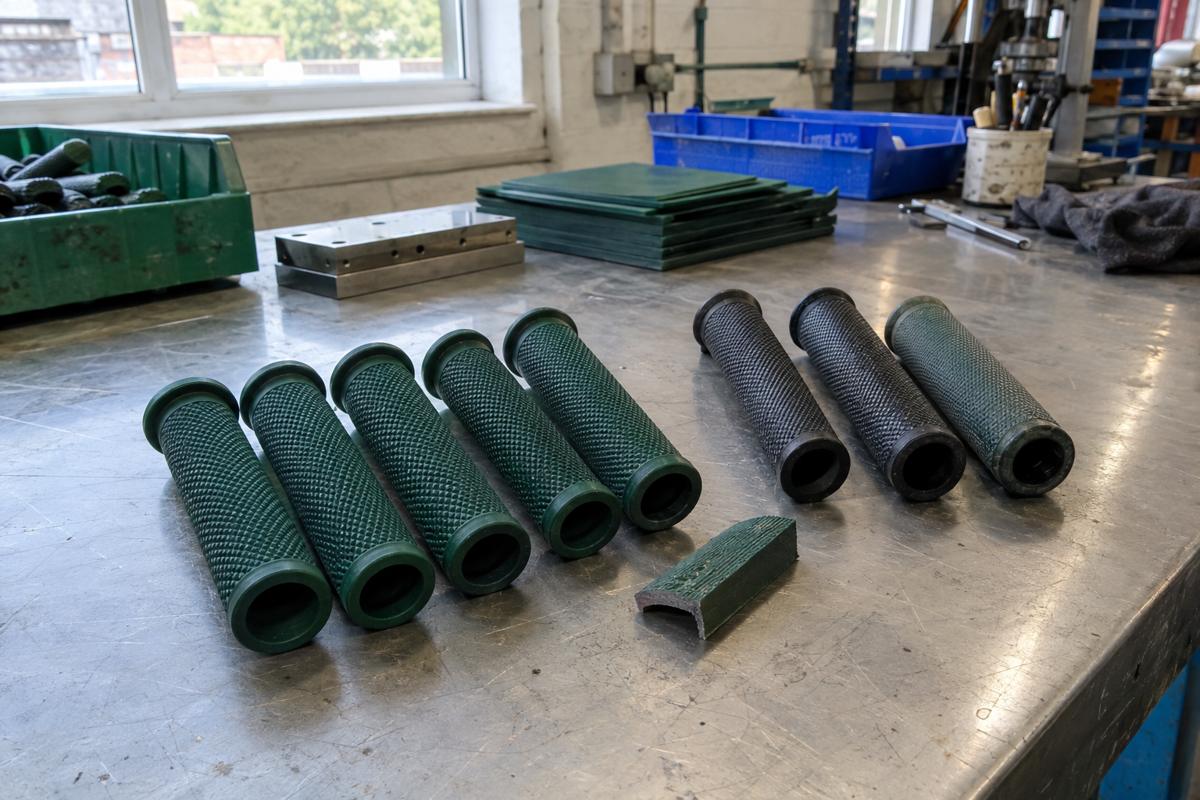
Deep green matched against a physical chip signed off by the brand's design team. Pigment recipe recorded and locked.
Existing tools moved to our facility, inspected, refurbished where needed. Cavity finish adjusted to hold the brand's specified texture consistently.
First-off from each tool in the range compared to the golden sample. Colour, texture and dimensional consistency confirmed.
Batches produced against the brand's forecast, delivered to their assembly location. Batch record travels with each shipment.
As the brand added new tools to the range, the grip design was extended with matching colour and texture. Consistent brand family across the whole product line.
The commercial shape
EPDM compound is more expensive per unit than natural rubber. The unit cost increase was modest. The reduction in warranty claims and negative customer reviews more than covered it in the first year.
The colour discipline — matching against physical chips instead of Pantone numbers — was essentially free. It just required doing it once, properly, at the start of the programme.
Three years into the programme, the field is showing what the compound change was for. Grips from the current supply are indistinguishable in feel and appearance from grips supplied twelve or twenty-four months earlier. Customer reviews no longer mention grip degradation.
“The unit cost went up a bit. The customer complaints stopped, and we look like a proper brand again on the shelf.”
Services used
Solid silicone or rubber pre-formed, loaded into a heated steel tool, and pressed under cure. Sensible tooling cost, thousands of parts per tool, and…
See the serviceSilicone products moulded, finished, packaged and labelled to your brand — ready to ship into your retail, e-commerce or wholesale channel. Your…
See the serviceFor parts that will be in production for years — components inside a device family, sealing parts on long-lived equipment, consumer parts on a…
See the serviceMore project records
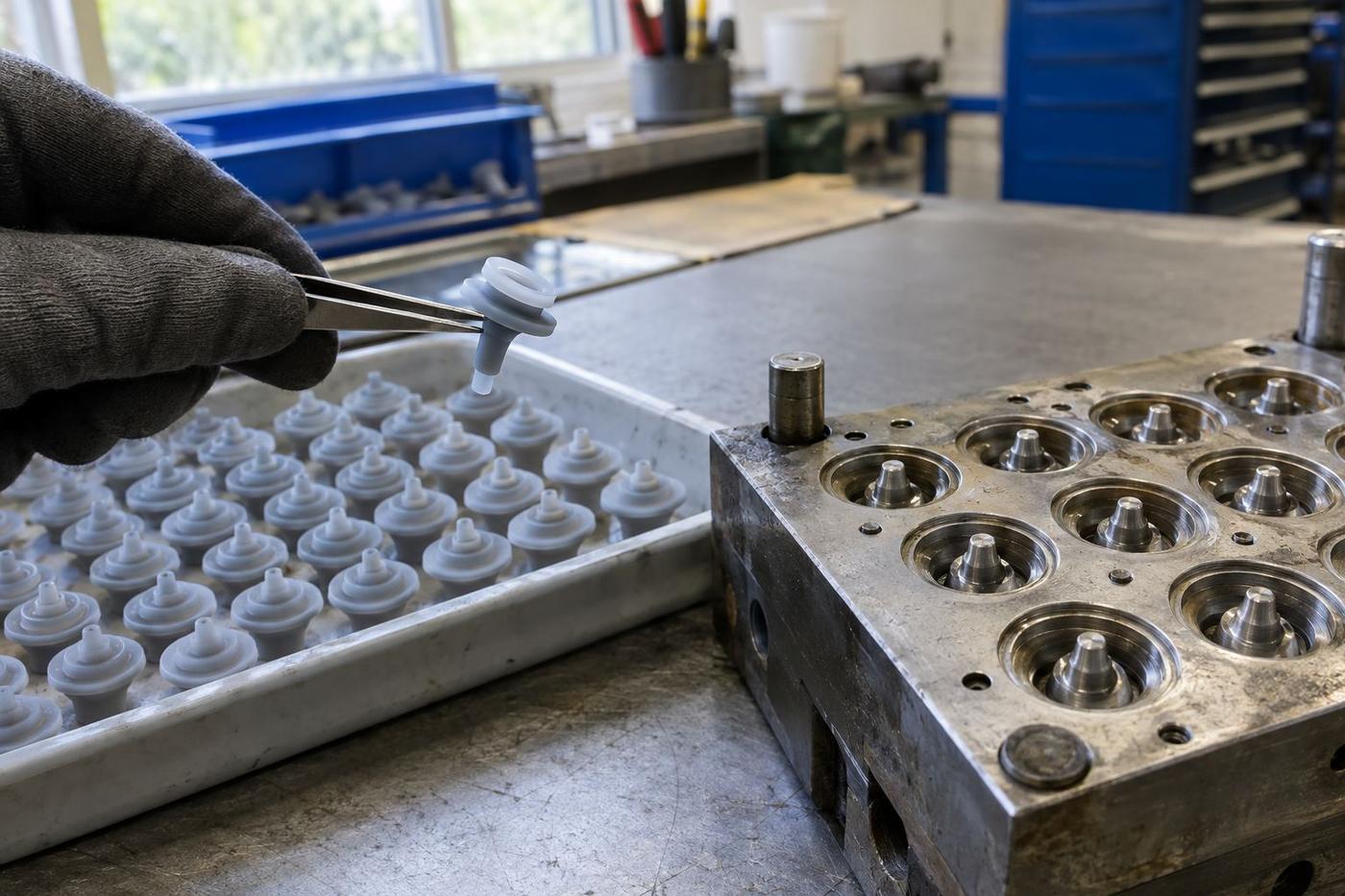
A small silicone valve inside a domestic appliance. Not seen by the user, but does its job millions of times over the appliance's life. Long-run supply into a…
Read the record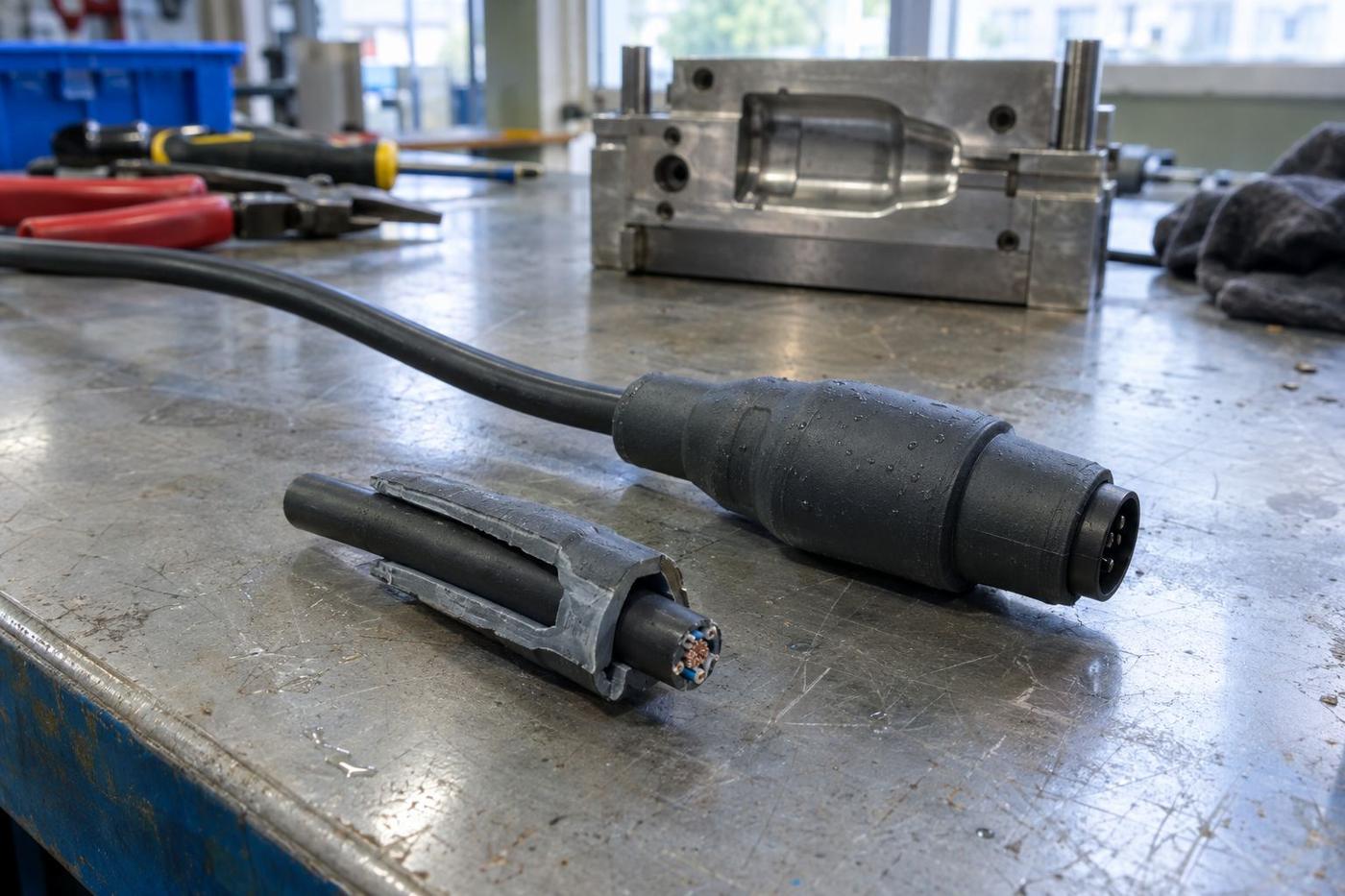
Salt water was finding its way along the cable jacket and into the connector. We replaced a potted joint and heat-shrink with a single silicone overmould…
Read the record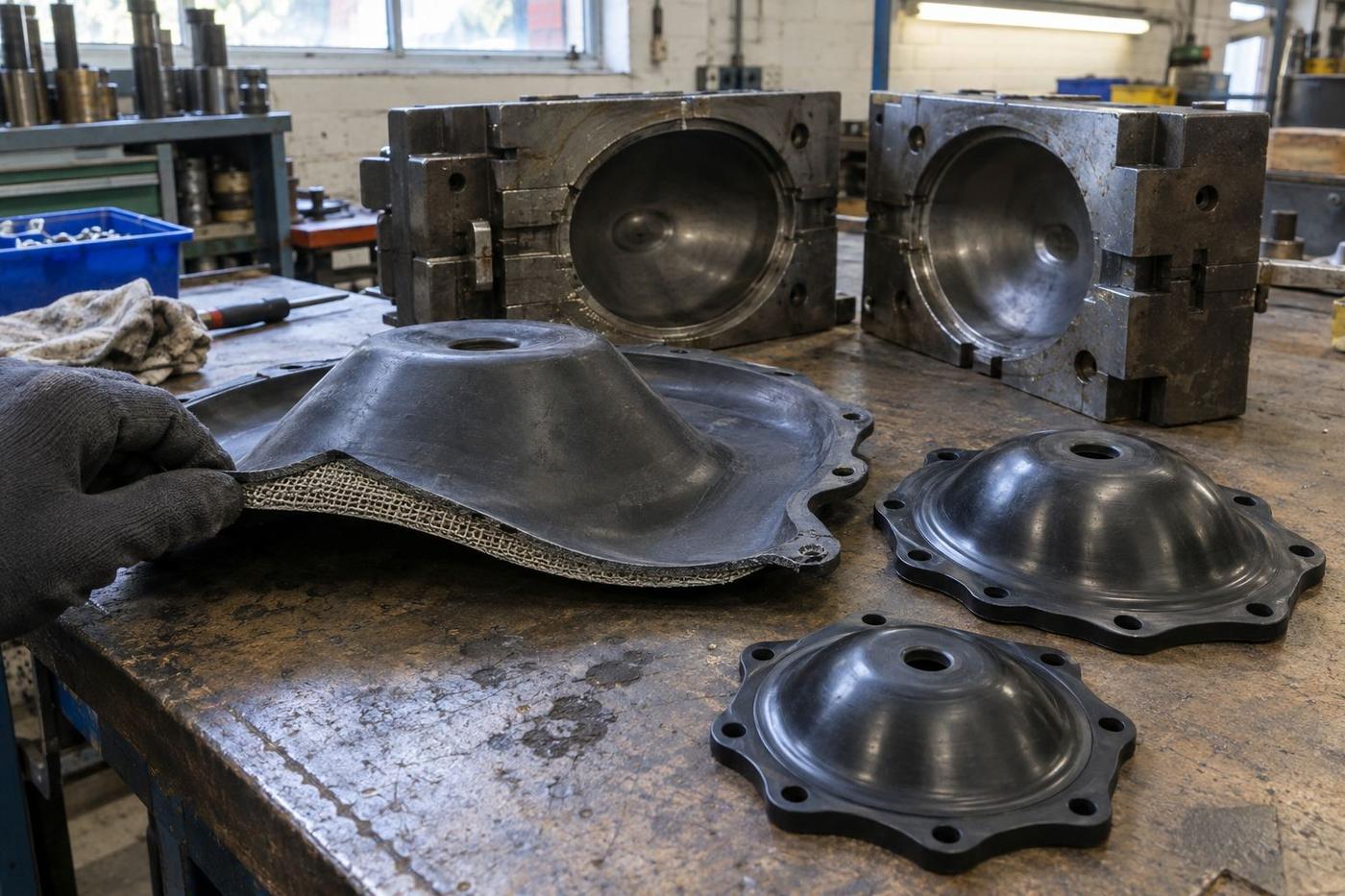
A long-standing diaphragm supplier had stopped supplying and the replacement parts from elsewhere were failing early. We re-tooled the diaphragm in compression…
Read the recordNext step
The commercial shapes described in our project records are examples of what's worked, not prices we're quoting today. Every programme sizes differently based on part geometry, annual volume, material family and paperwork requirements.
For a first conversation about whether we'd be the right supplier for your part, send a drawing or a sample with your rough annual volume. That's enough to know if the fit is real.
Get in touch
Rough annual volume, target unit price, and any deadlines. That's enough to work out whether compression, LSR injection or something else is the right tool.
Real people, a real workshop
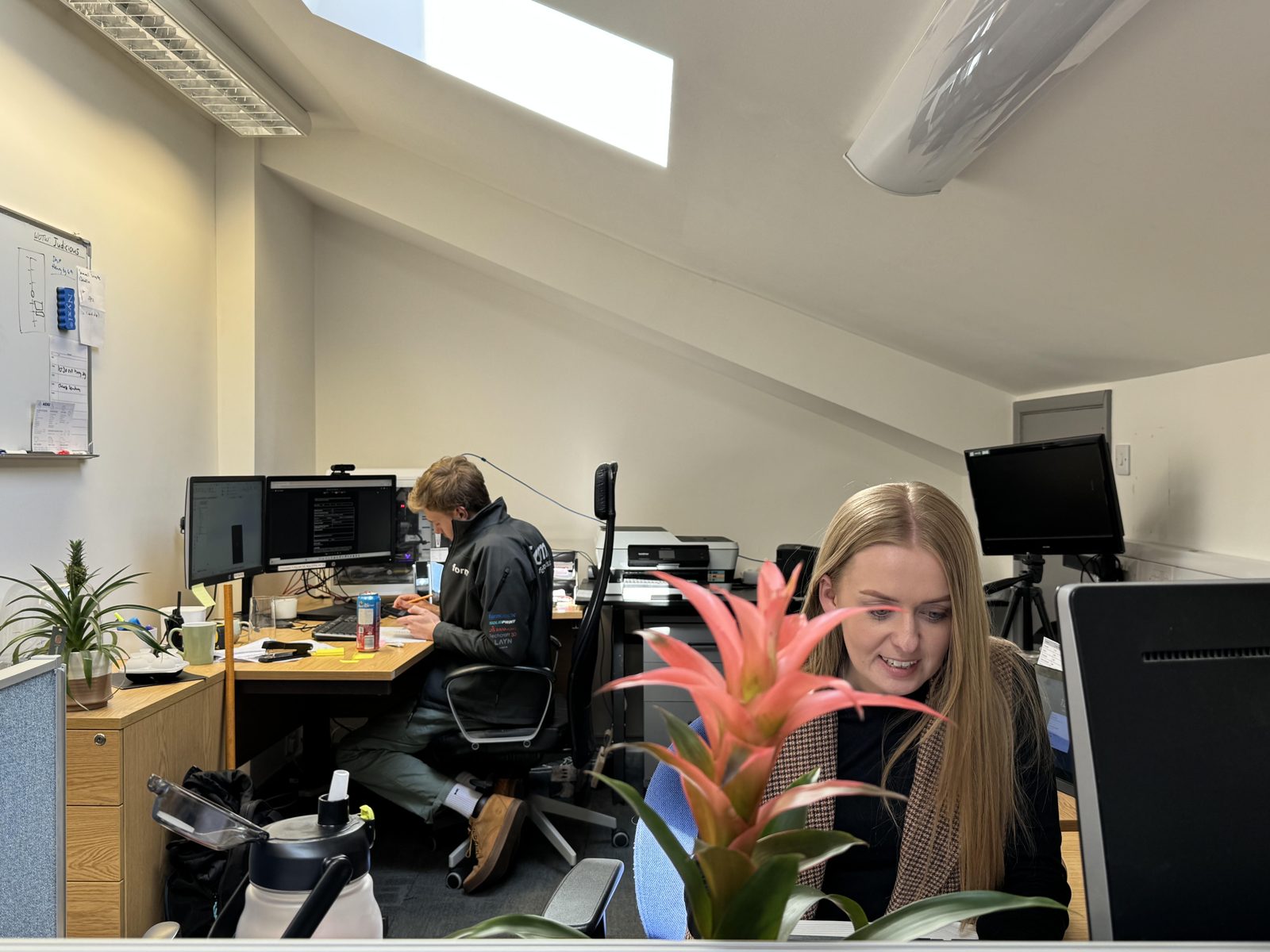
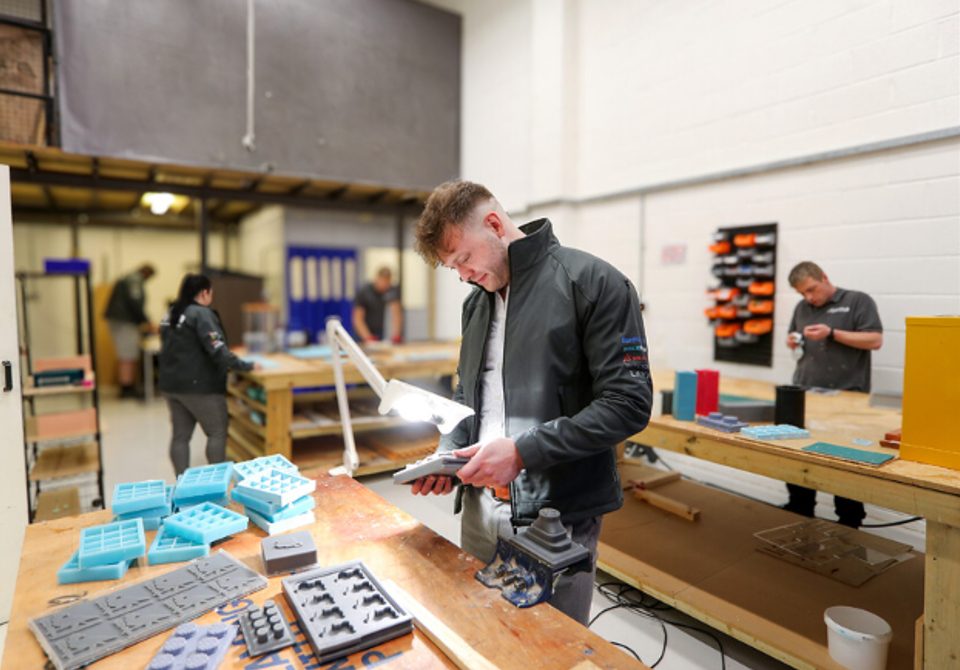
No call centre and no middlemen. When you contact TCI Products, you speak to the team who design, build and check your mould.
 Thomas LaneManaging Director
 George PrestonDesign & Project Manager
 Kelly BallingerHead of Partnerships
 Jim AndertonProduction Manager
 TheodoreEmployee Welfare