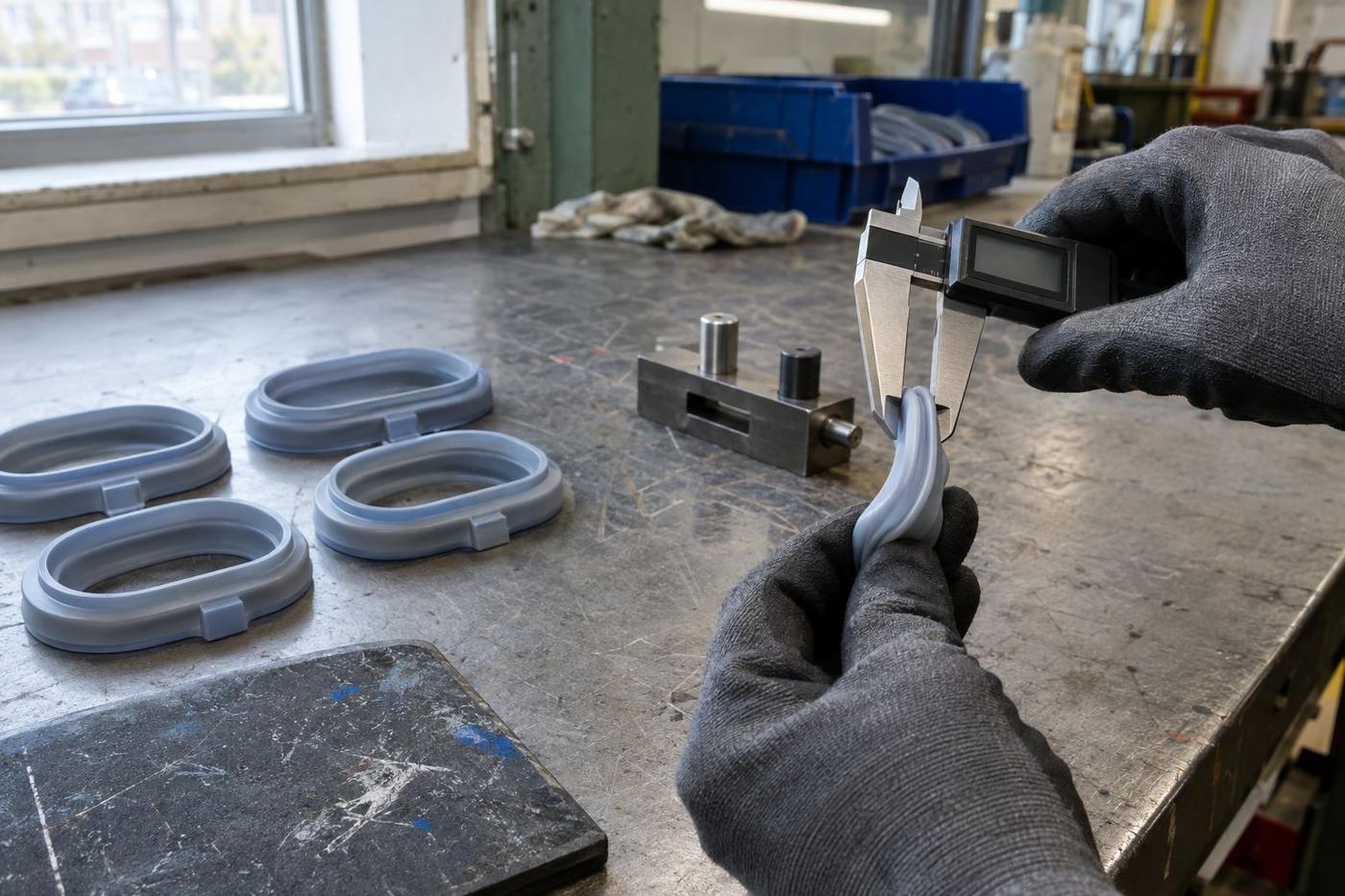
Grade-specific tooling
Cavities sized for the shrinkage of your chosen grade.
Silicone manufacturing guide
Rubber moves. It shrinks as it cures, flexes when you measure it and relaxes in the bag. Specifying it like machined metal leads to rejected parts and arguments. Here's a better approach.
The starting point
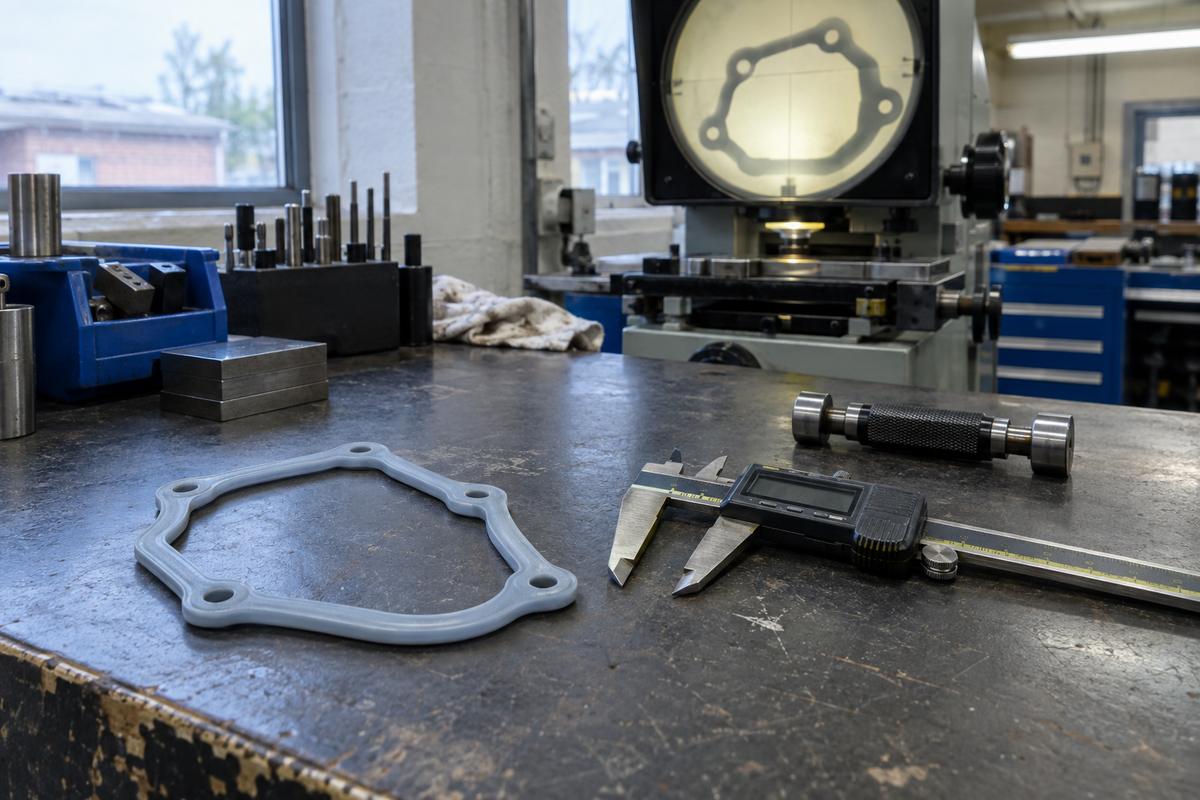
Silicone and rubber shrink as they cure, by amounts that vary with grade and process. They flex under the measuring tool. They relax slightly after moulding. A caliper pressed firmly on a soft seal will read differently from an optical measurement of the same part.
None of that makes rubber imprecise. It makes it a material where the measurement method matters as much as the number.
That's why we don't publish headline tolerance figures. What's realistic depends on your grade, geometry and how the feature is measured.
Common problems
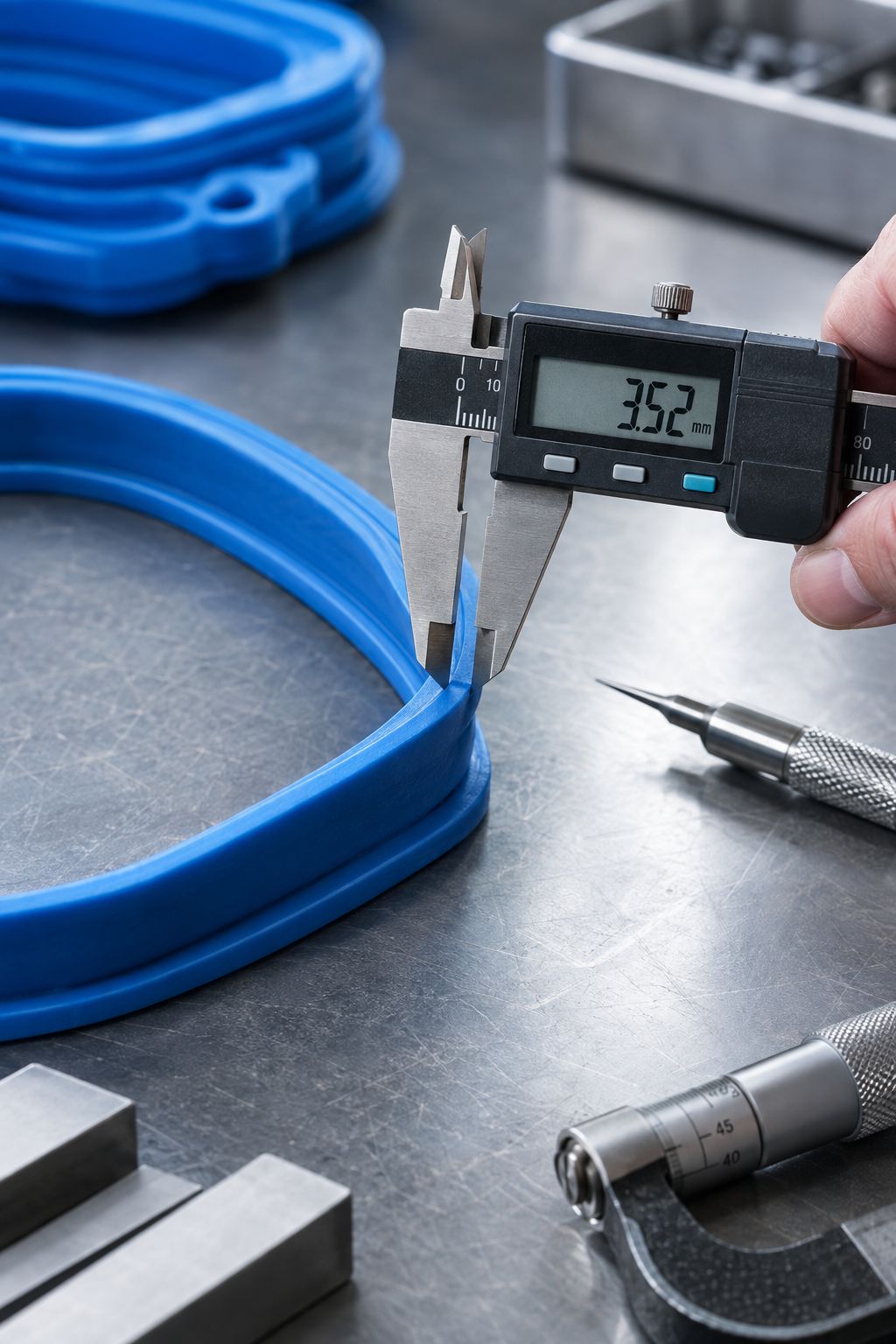
A title-block tolerance written for machined parts applied to a soft seal.
Every dimension tightly toleranced, raising cost without improving function.
A tolerance with no note of how or in what state the part is measured.
What we recommend
The aim is a specification both sides can measure the same way and agree on.
The few dimensions that affect fit or function.
What each critical feature has to do, so we can suggest a realistic band.
Instrument, fixture, free-state or constrained, and conditioning time.
Measure first articles together and adjust the tool if needed.
In production
Cavities sized for the shrinkage of your chosen grade.
Temperature, pressure and cure time held and recorded.
Critical features measured per batch and trended.
Wear caught early. See tool refurbishment.
Keep reading
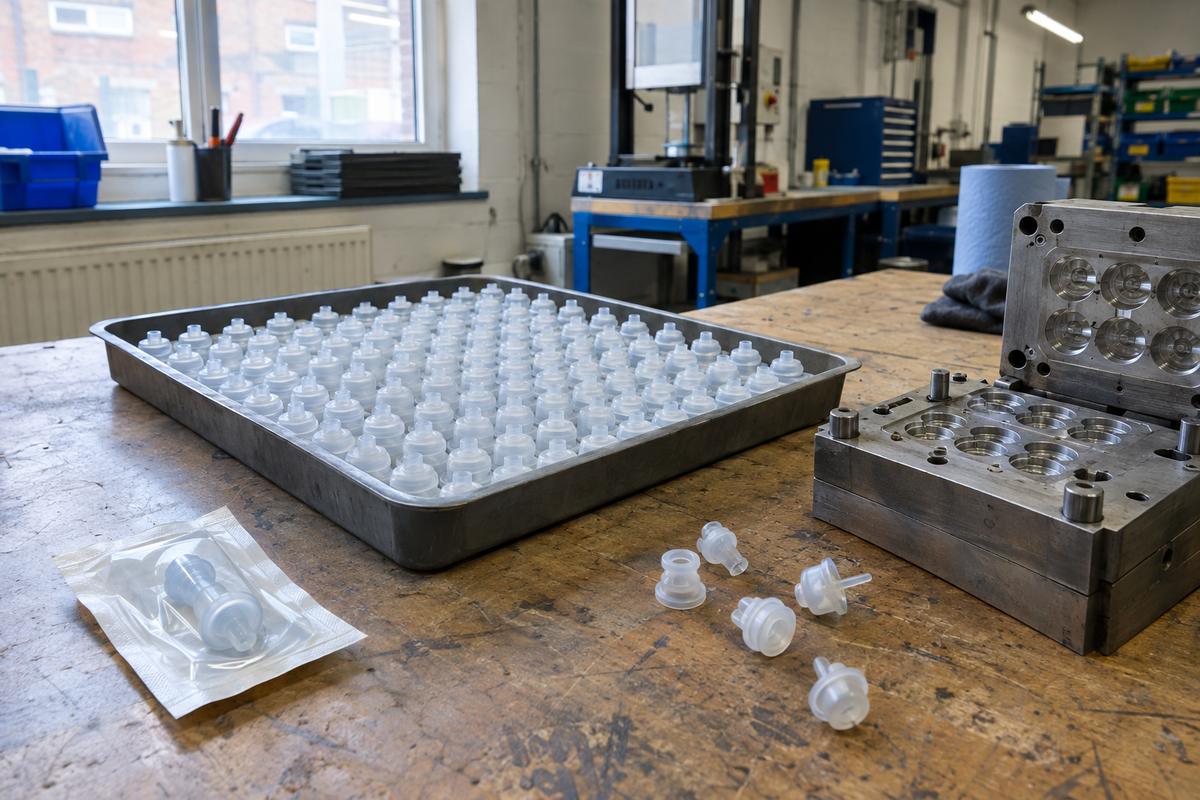
Medical-grade is a phrase that gets used loosely. For device makers, what matters is the right grade for the contact, a…
Read the guideYour part is selling. Demand is climbing. The tool and process that worked for early batches start to strain. Here's how to scale…
Read the guideMany silicone parts start life in HCR, compression or injection moulded. As volumes grow, LSR starts to look attractive. Here's…
Read the guideGet in touch
Rough annual volume, target unit price, and any deadlines. That's enough to work out whether compression, LSR injection or something else is the right tool.
Real people, a real workshop
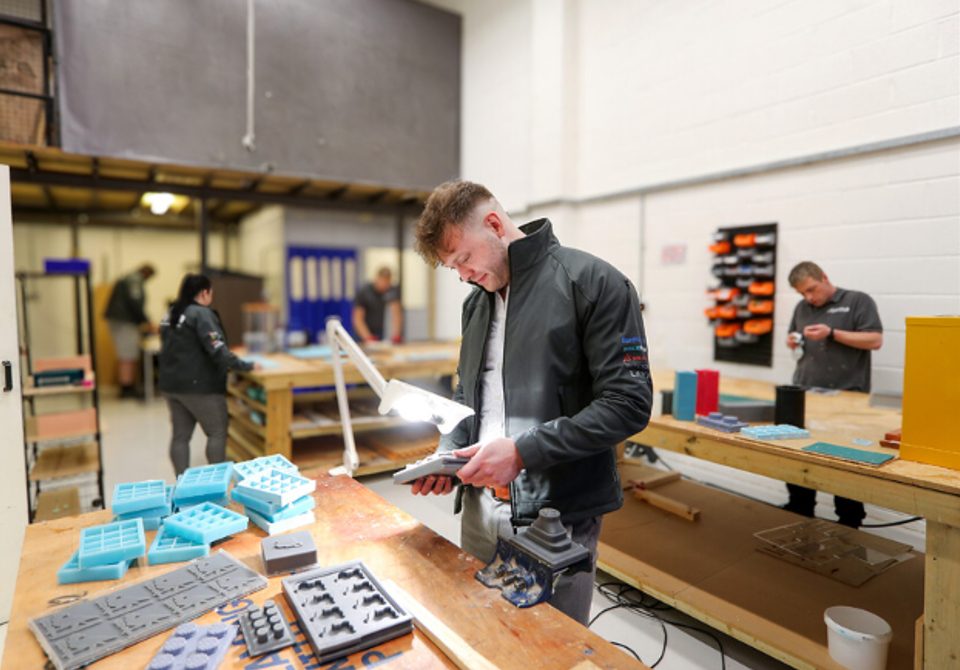
No call centre and no middlemen. When you contact TCI Products, you speak to the team who design, build and check your mould.


 Thomas LaneManaging Director
 George PrestonDesign & Project Manager
 Kelly BallingerHead of Partnerships
 Jim AndertonProduction Manager
 TheodoreEmployee Welfare