Bidford-on-Avon, Warwickshire. Mon to Fri.01789 224228

Guides · how the routes actually compare

Knowledge.

Seven guides written from the shop floor rather than from marketing. If you're weighing up routes for a new part, or trying to work out what changes as you move from prototype to volume, start here.

12Guides
PlainEnglish
RealTrade-offs
UKMade

How this section works

Guides written from the workshop, not from marketing.

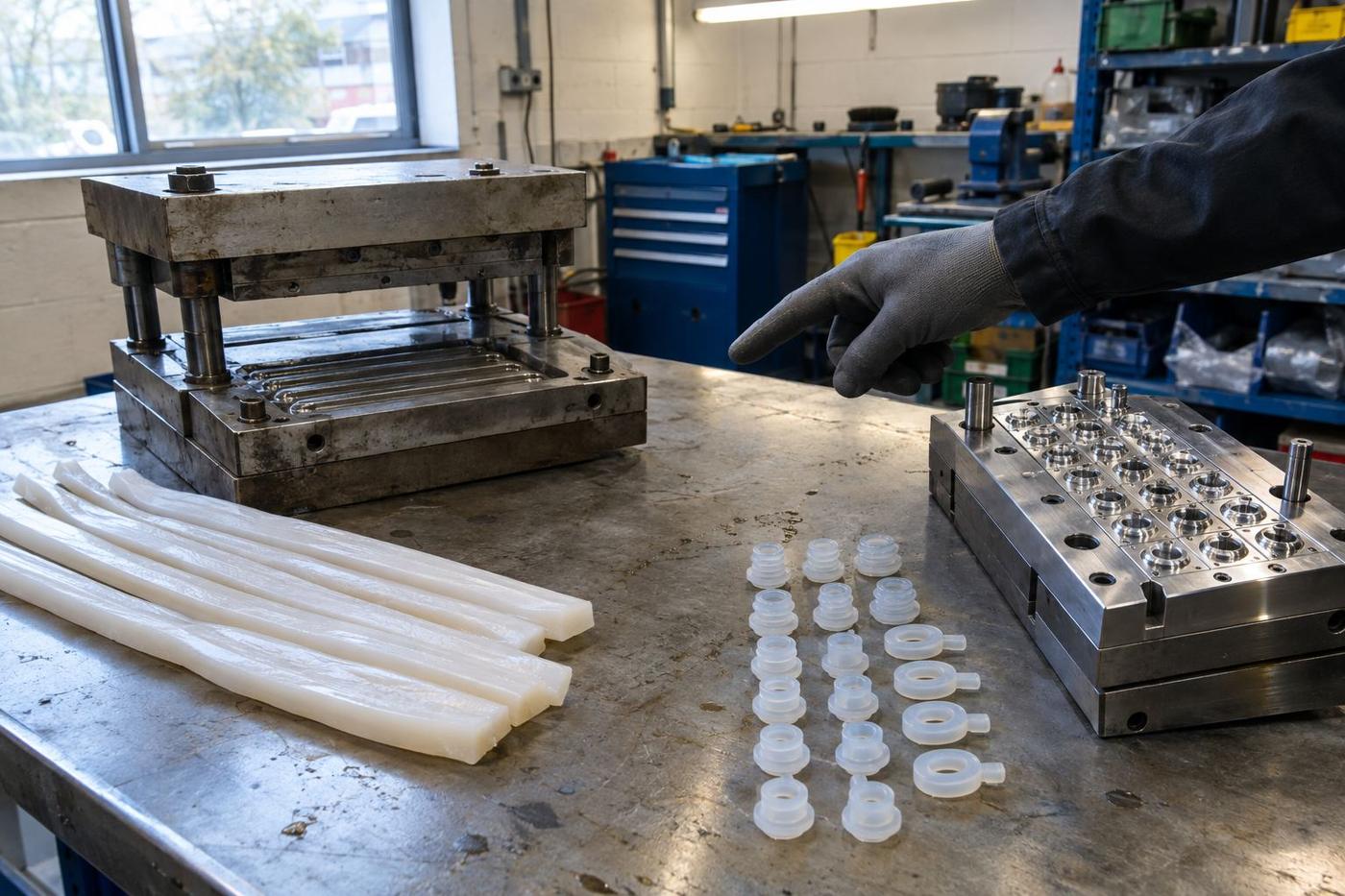
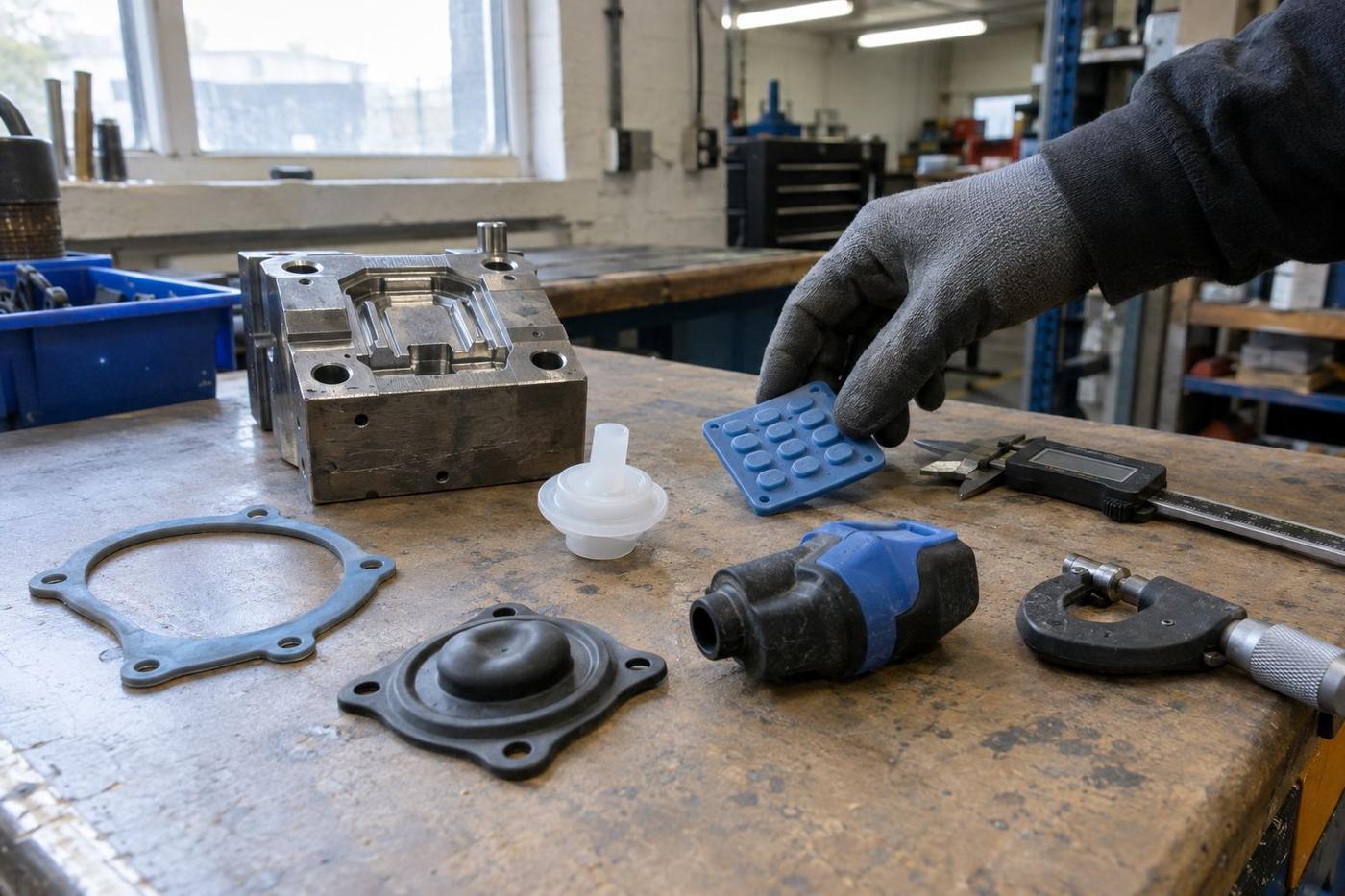
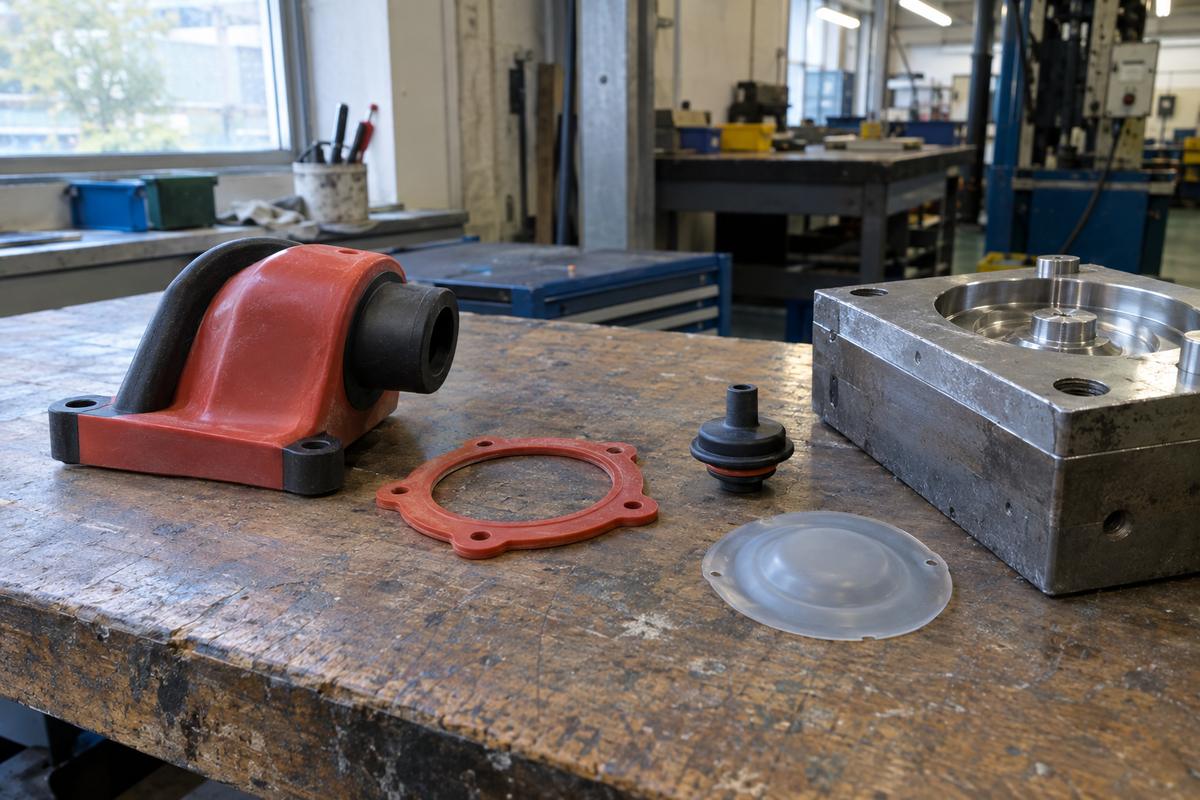
Workshop examples of silicone parts beside a steel tool insert
Real part examples used to explain manufacturing choices

Every guide on this page comes from a real conversation we have with customers, usually at enquiry stage, sometimes months into a programme. They're written to be useful, not persuasive.

If you're comparing routes for a new part, weighing whether to overmould or bond, or working out what changes as you scale from prototype to production, these are the pieces to read first.

For the shorter version — quick answers to common questions — see the FAQ hub.

Guides

12 pieces on the choices behind silicone manufacturing.

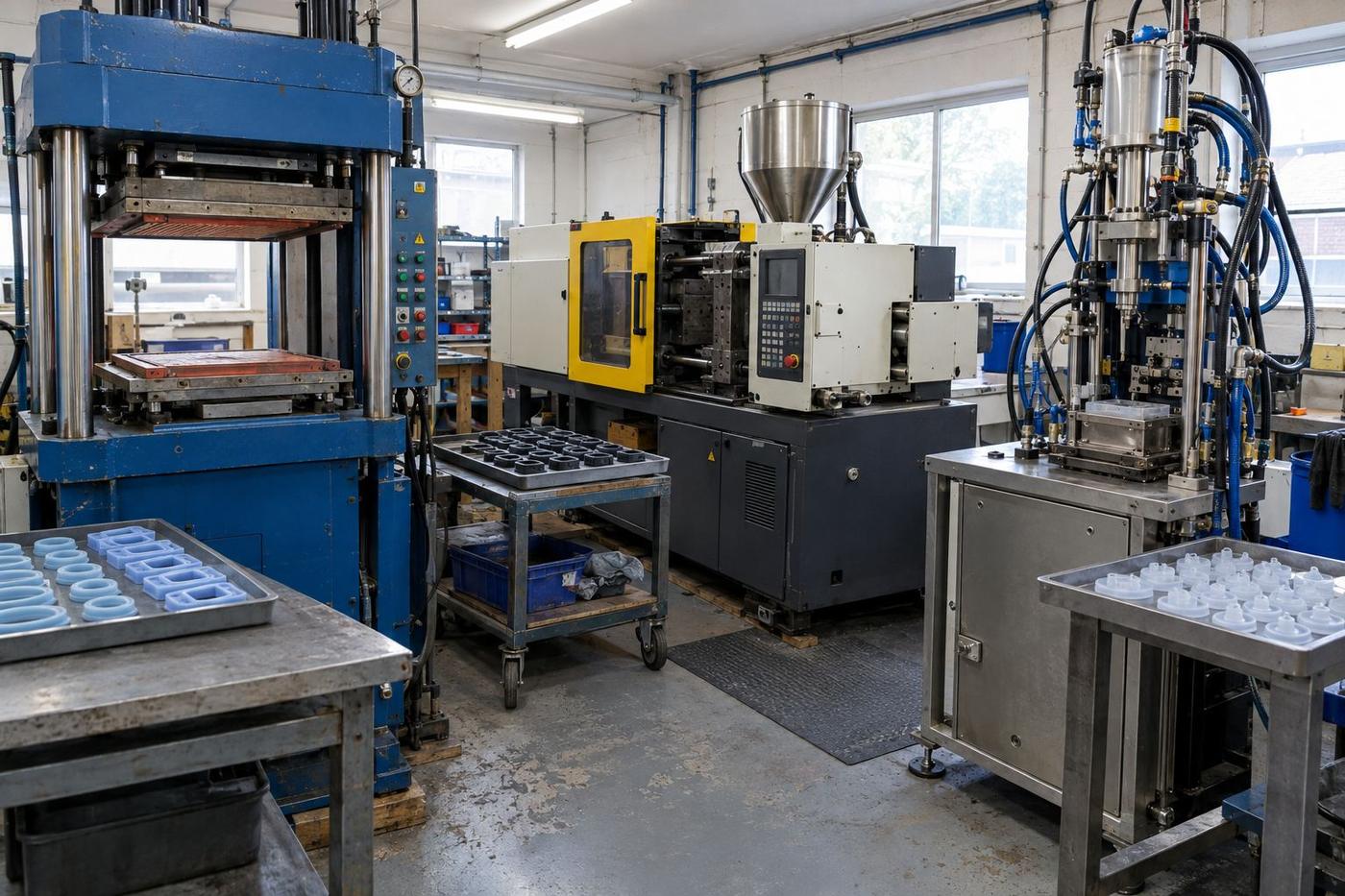
Factory floor showing compression, injection and LSR moulding equipment

Compression, injection or LSR — which route fits your part?

Three routes, one part, one honest answer. This is the conversation we have with almost every OEM customer on the first call. Here it is written down, without the marketing overlay.

Read the guide
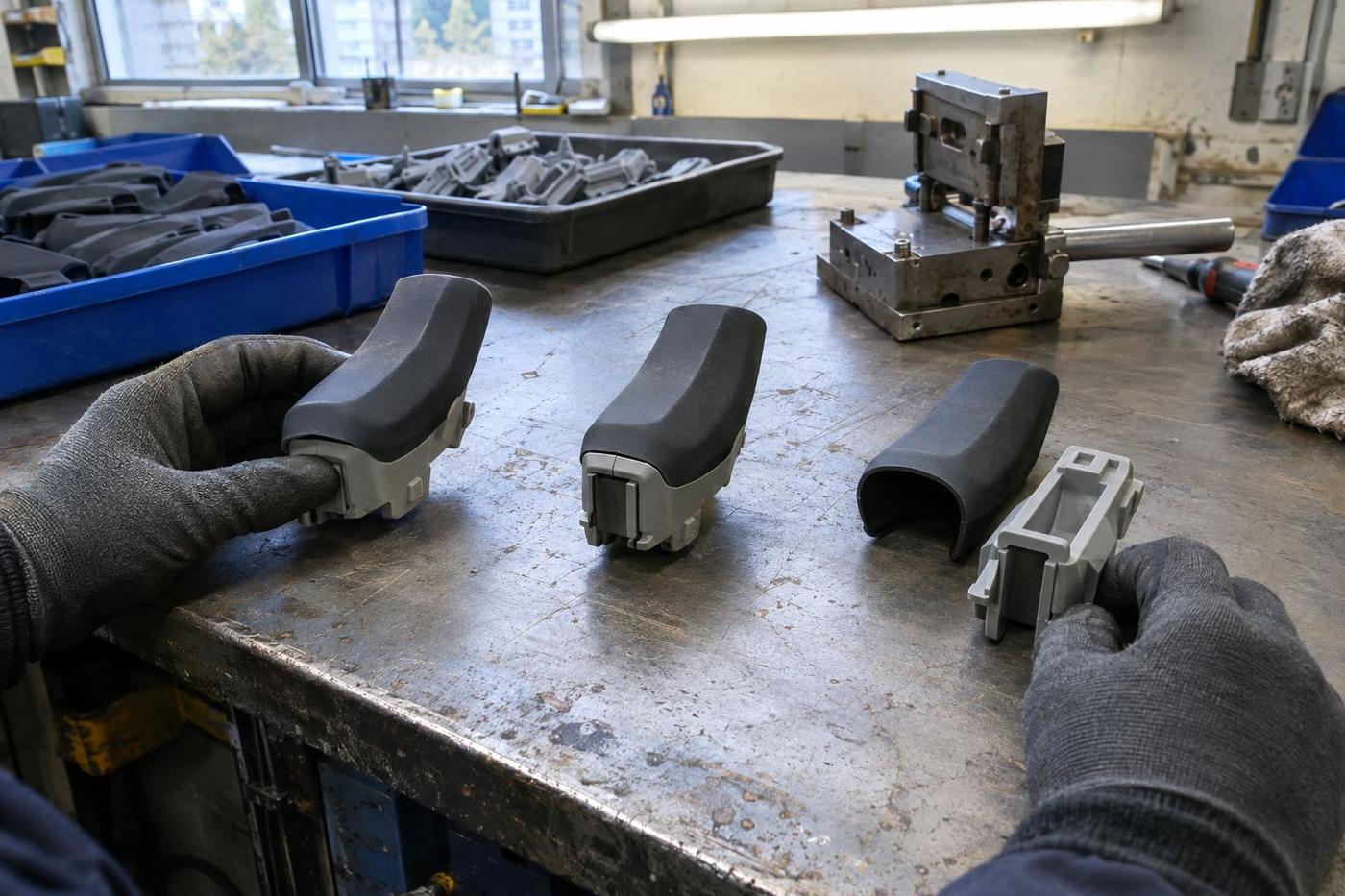
Gloved hands comparing overmoulded, bonded and separate silicone component assemblies.

Overmoulding: when it saves you a step, and when it doesn't

Overmoulding, two-shot, and bonded assembly are all ways to end up with a silicone part attached to a rigid substrate. Each has a case; each has a price. This is the conversation we have with OEMs bef…

Read the guide
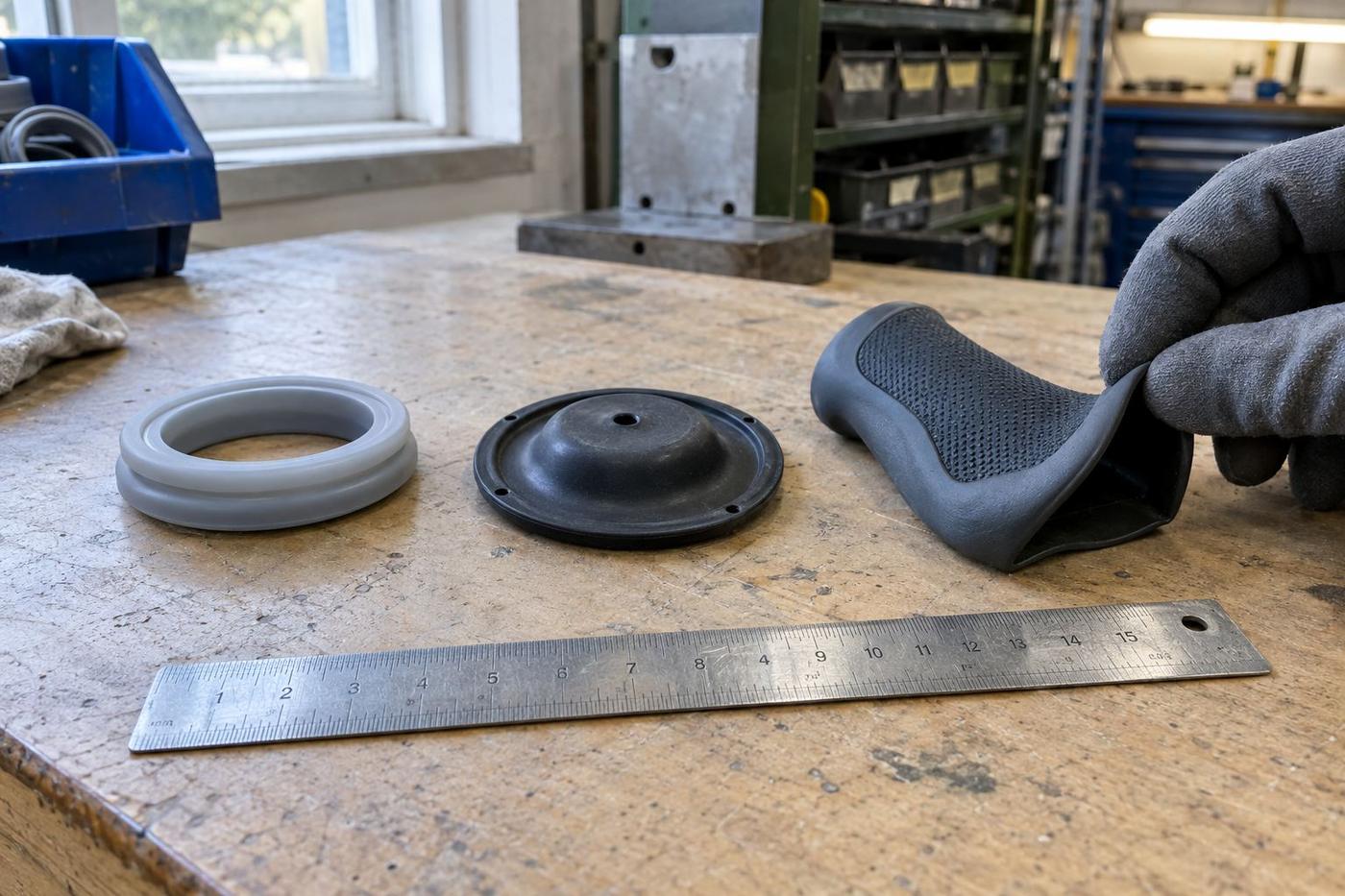
Three similar parts showing silicone, rubber and TPE material differences.

Silicone, rubber and TPE — what each is good for

Three material families that look and feel similar to a non-specialist, but behave very differently in production and in service. Written to save an OEM buyer an afternoon of confusion.

Read the guide
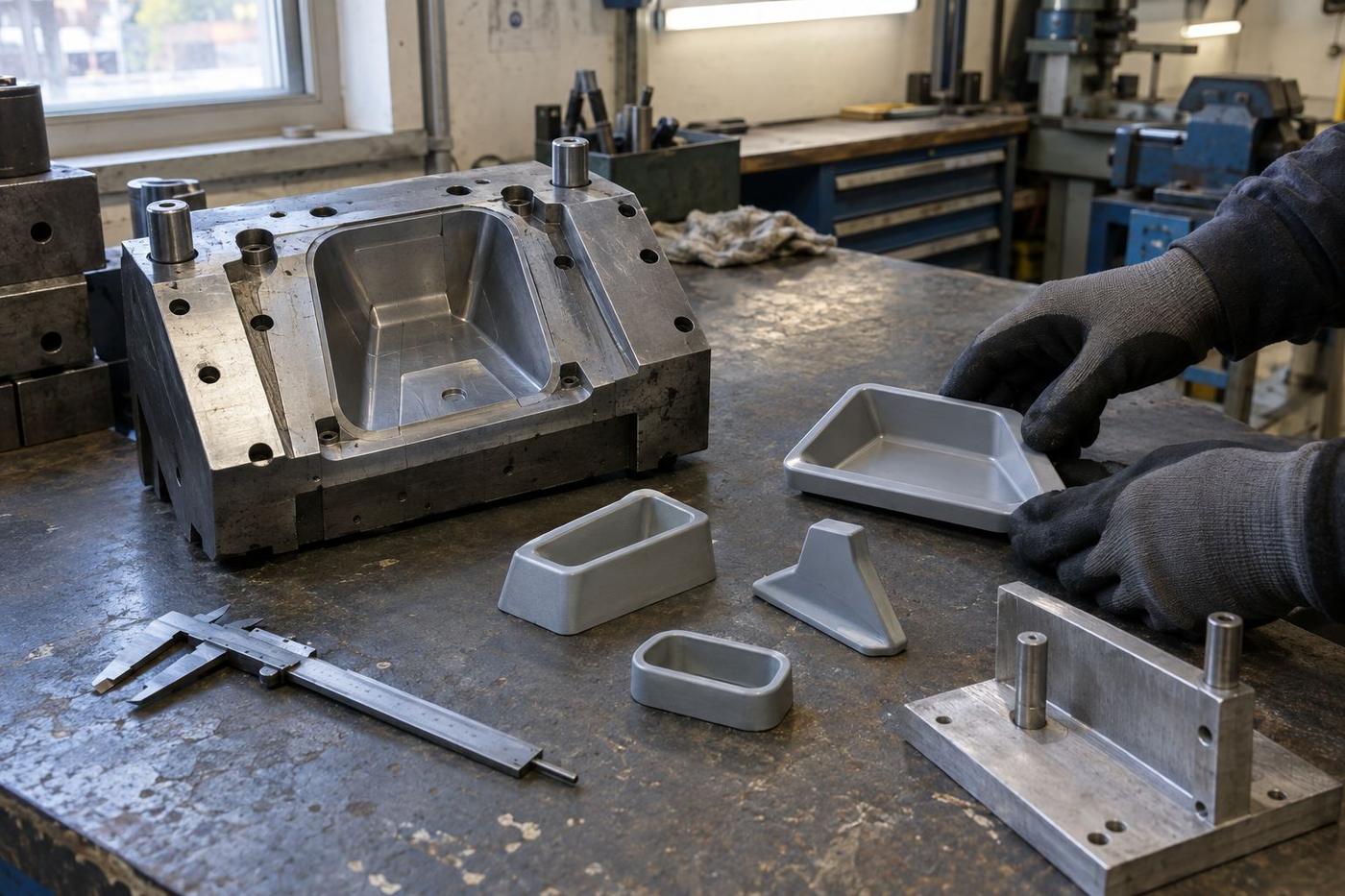
Mould tool and sample silicone parts showing design-for-volume considerations

Designing a part for volume from the start

Most silicone parts are designed by someone who's designed one before. If this is your first, or if the last one taught you nothing you'd want to repeat, here's what to think about while the design is…

Read the guide
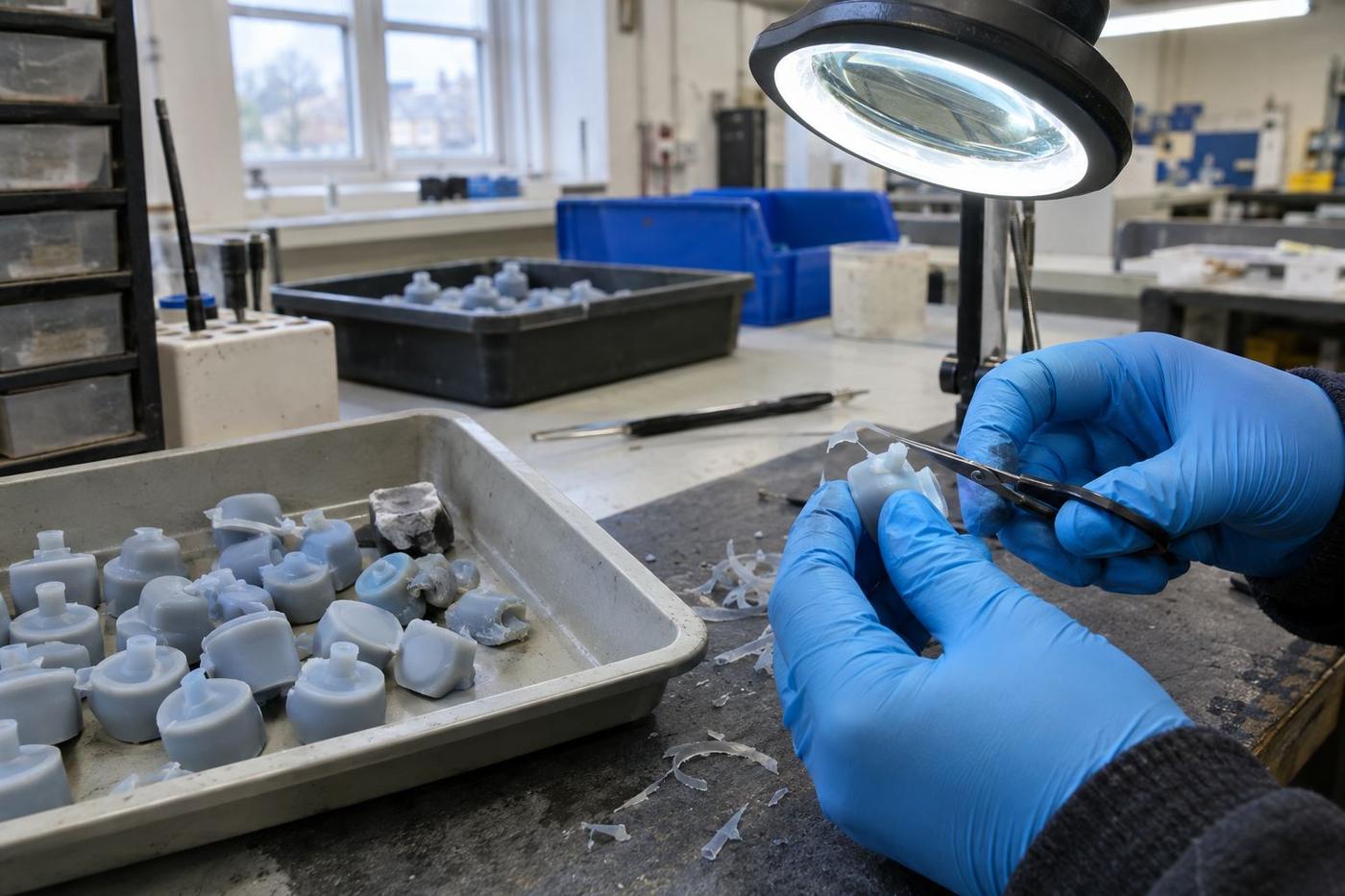
Gloved hands trimming silicone flash beside inspected moulded parts.

Post-processing silicone — what happens after the press opens

A moulded part isn't always a finished part. Understanding what happens between the press and the shipment helps you specify the finish you actually need, and stops you paying for finish you don't.

Read the guide
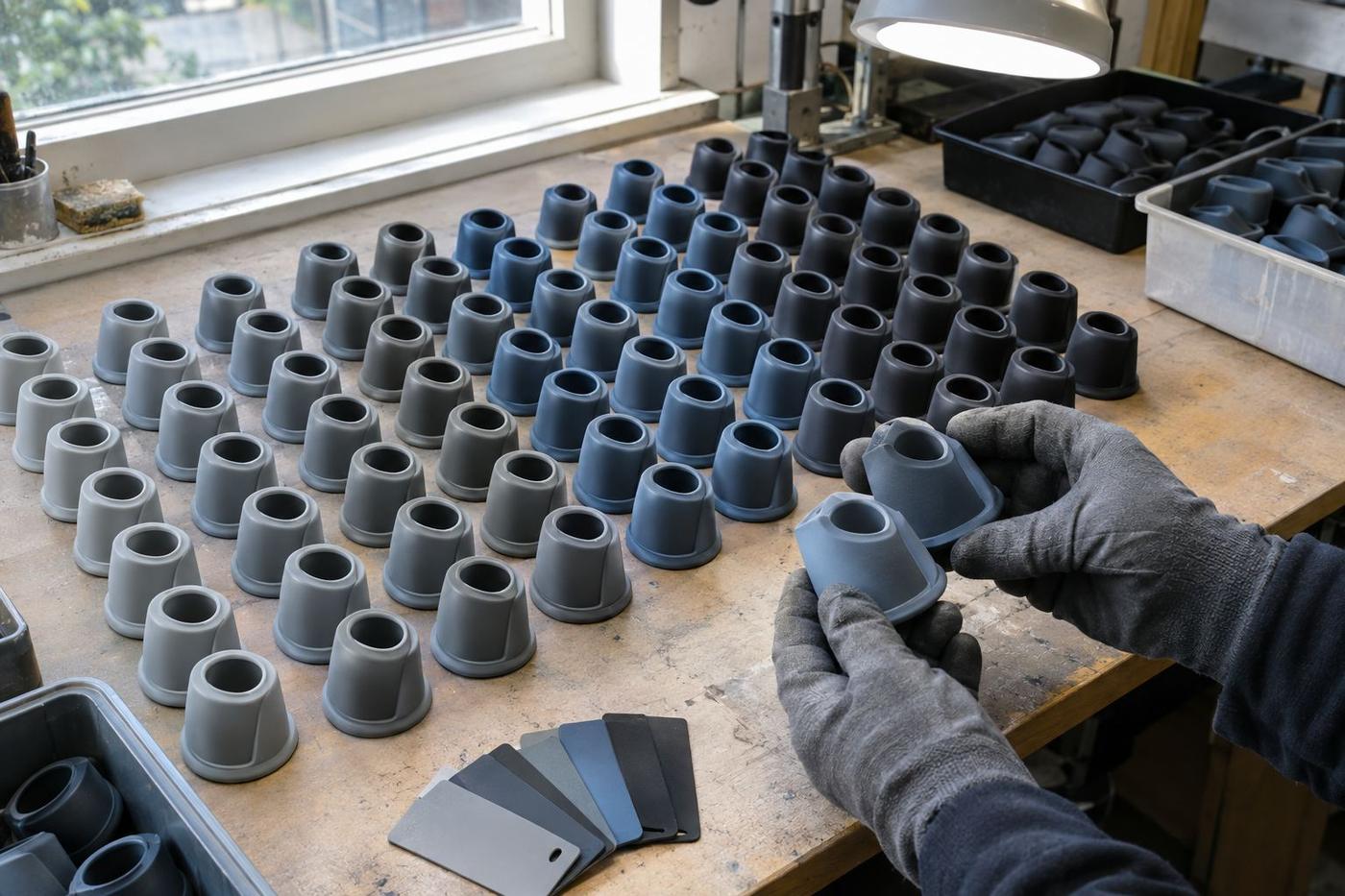
Rows of silicone parts being compared for colour consistency

Colour matching and batch consistency

For anything a customer will see, colour is one of the two things they judge (feel is the other). Getting the colour right is straightforward. Keeping it right across every batch for years takes disci…

Read the guide
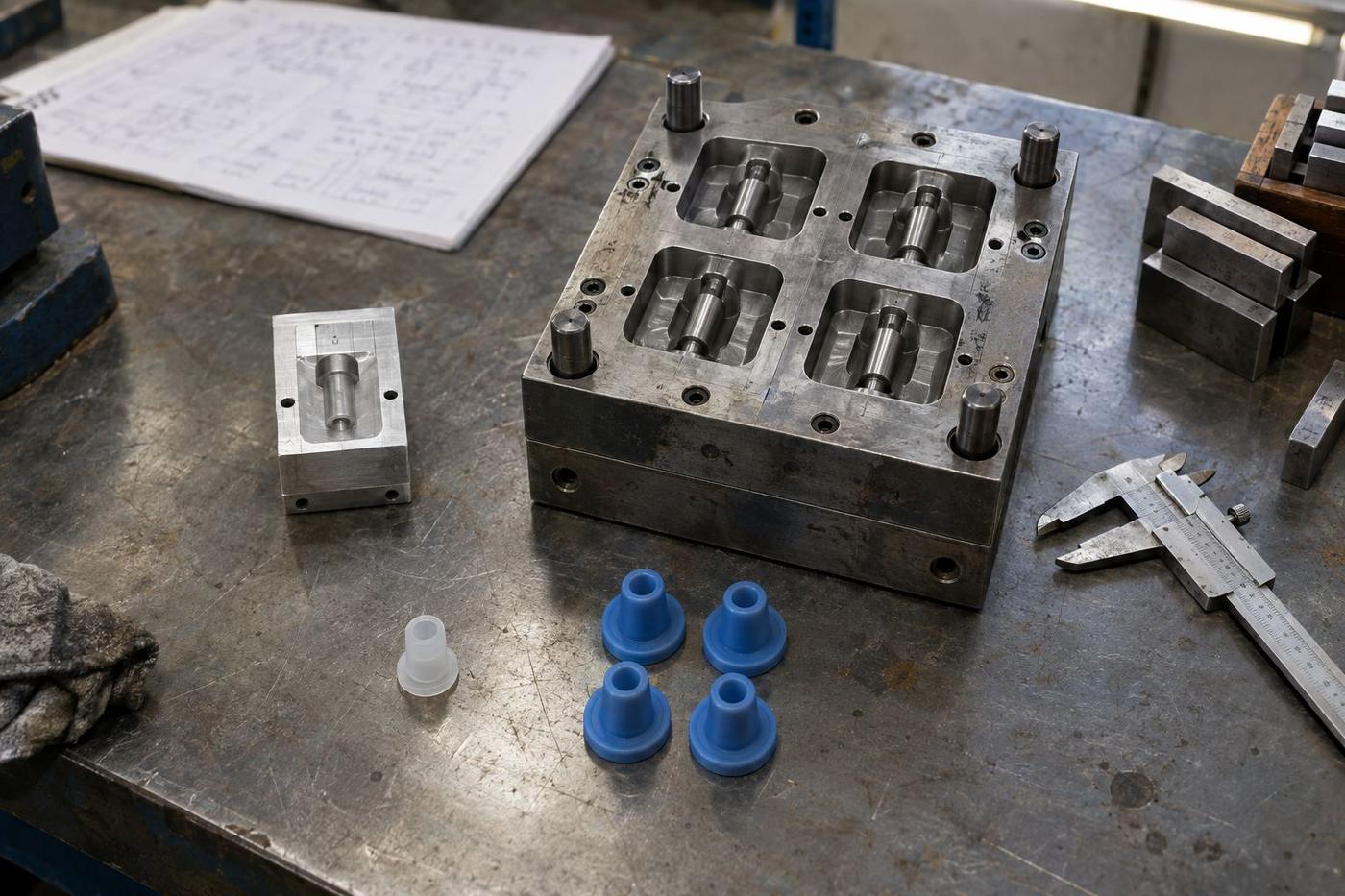
Prototype and production tooling parts laid out on a workshop bench.

Moving from prototype tooling to production

Your product is real. You've made prototypes, maybe pilot runs. The design is stable and the volume forecast is starting to be trustworthy. Now the question is: when do you move to production tooling,…

Read the guide
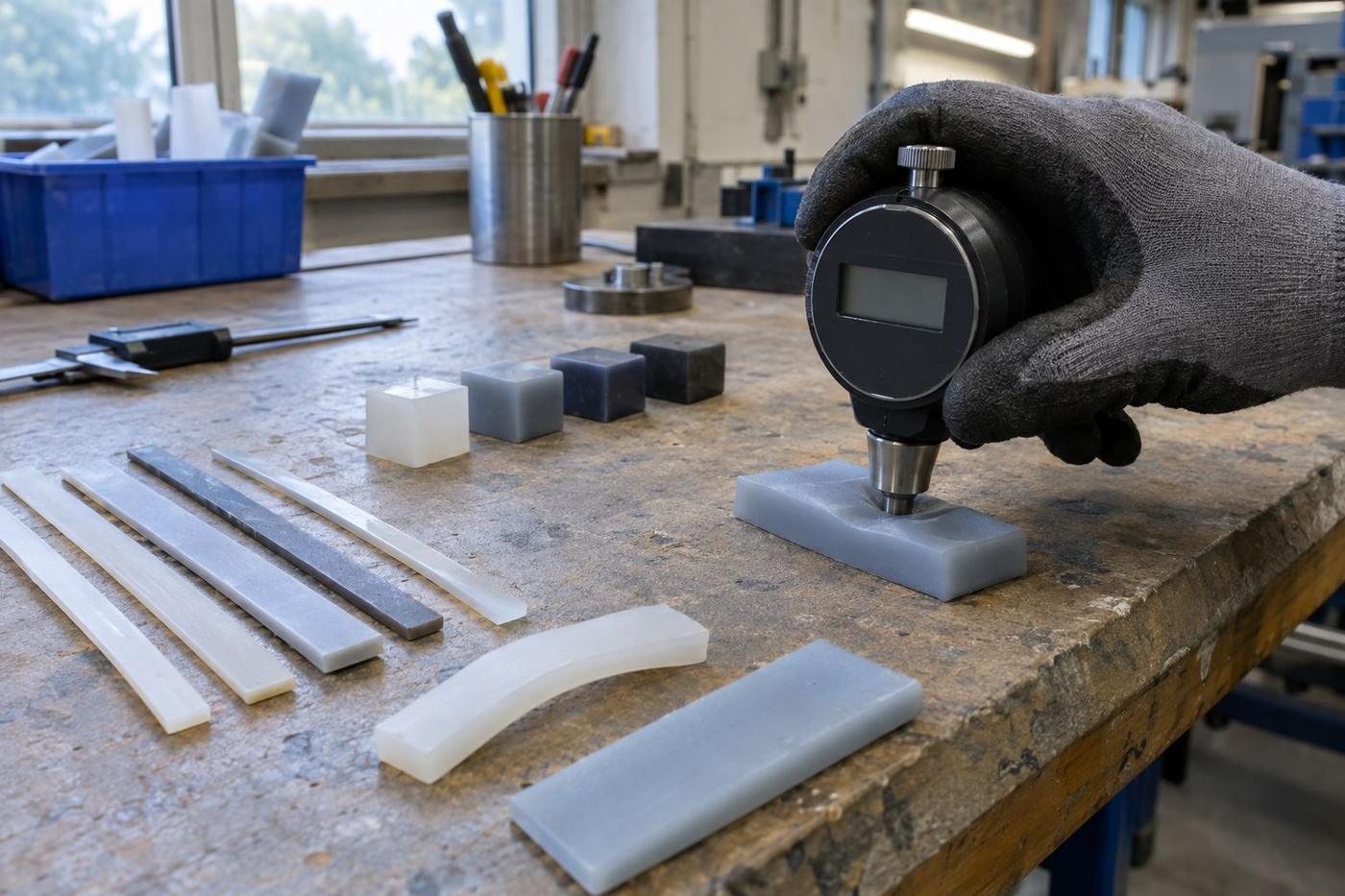
Durometer testing silicone samples of different hardness on a workbench

Choosing a Shore hardness for your silicone part

Shore A is the number that appears on nearly every silicone drawing and is understood by almost nobody outside the rubber trade. Here's what it tells you, and what it doesn't.

Read the guide
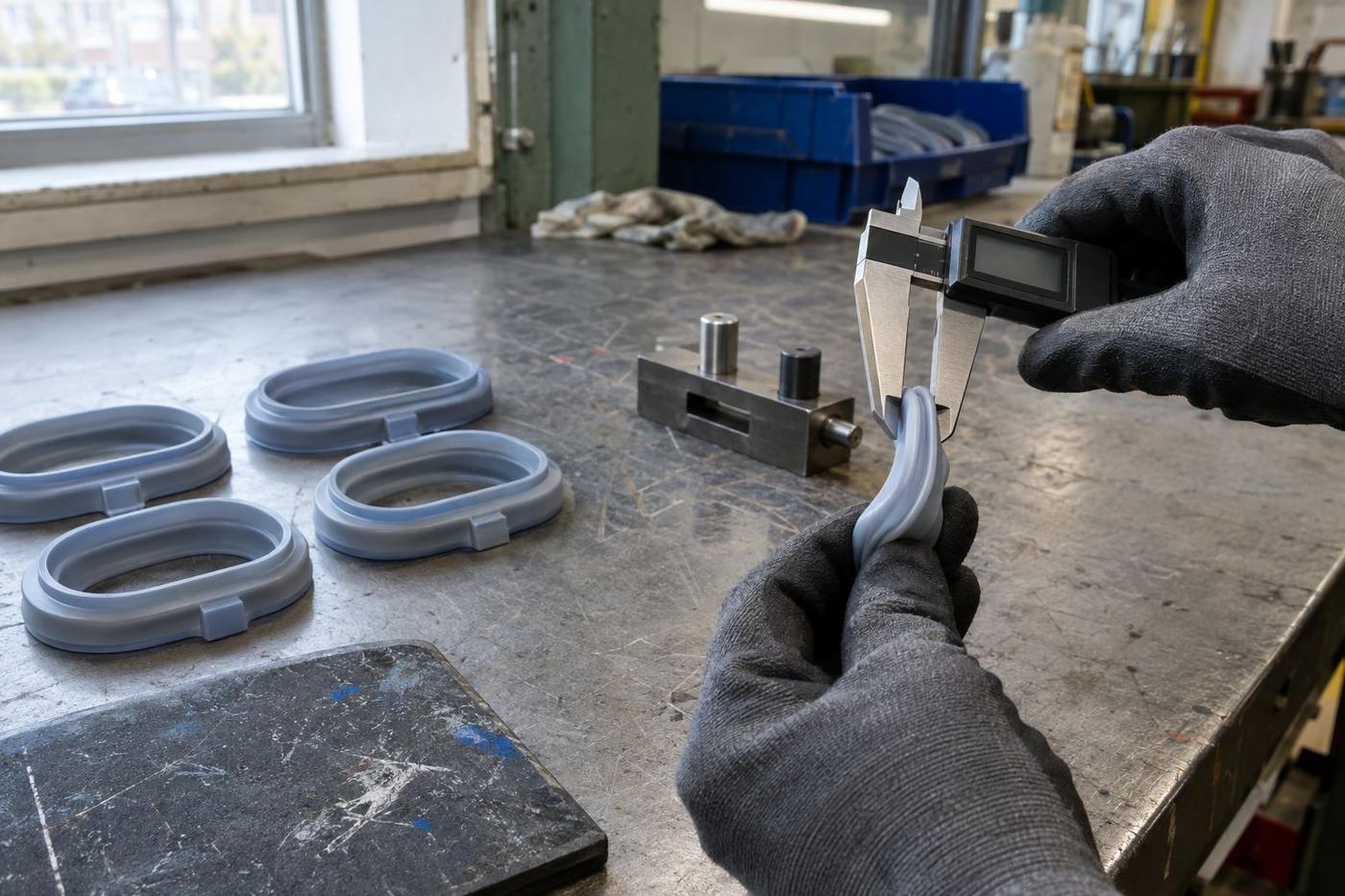
Soft silicone gasket being measured with calipers on an inspection bench.

Tolerances in moulded silicone and rubber parts

Rubber moves. It shrinks as it cures, flexes when you measure it and relaxes in the bag. Specifying it like machined metal leads to rejected parts and arguments. Here's a better approach.

Read the guide
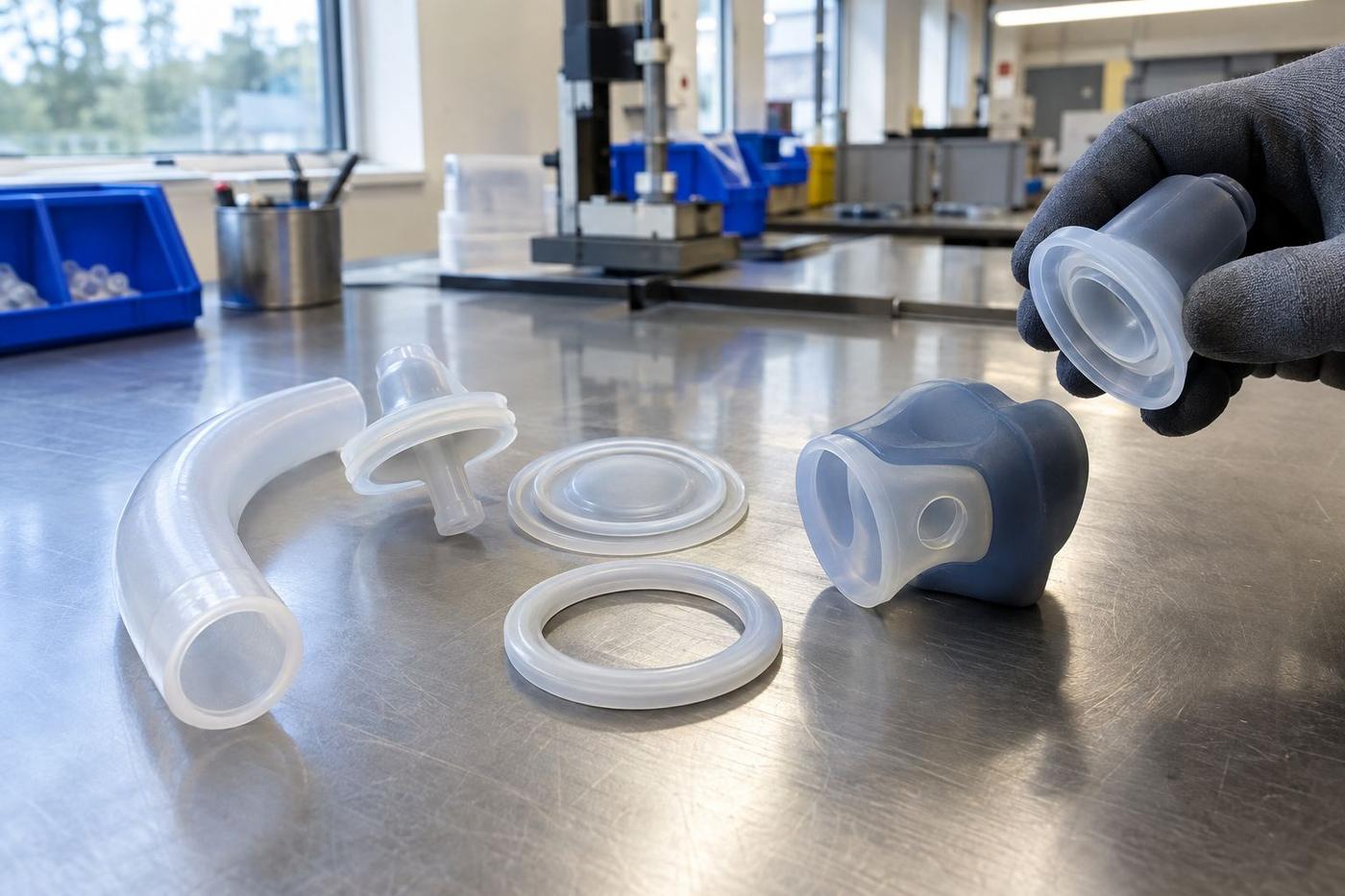
Selection of silicone medical device components on a stainless surface

Choosing silicone for medical device components

Medical-grade is a phrase that gets used loosely. For device makers, what matters is the right grade for the contact, a documentation trail you can rely on, and a supplier who won't change anything wi…

Read the guide
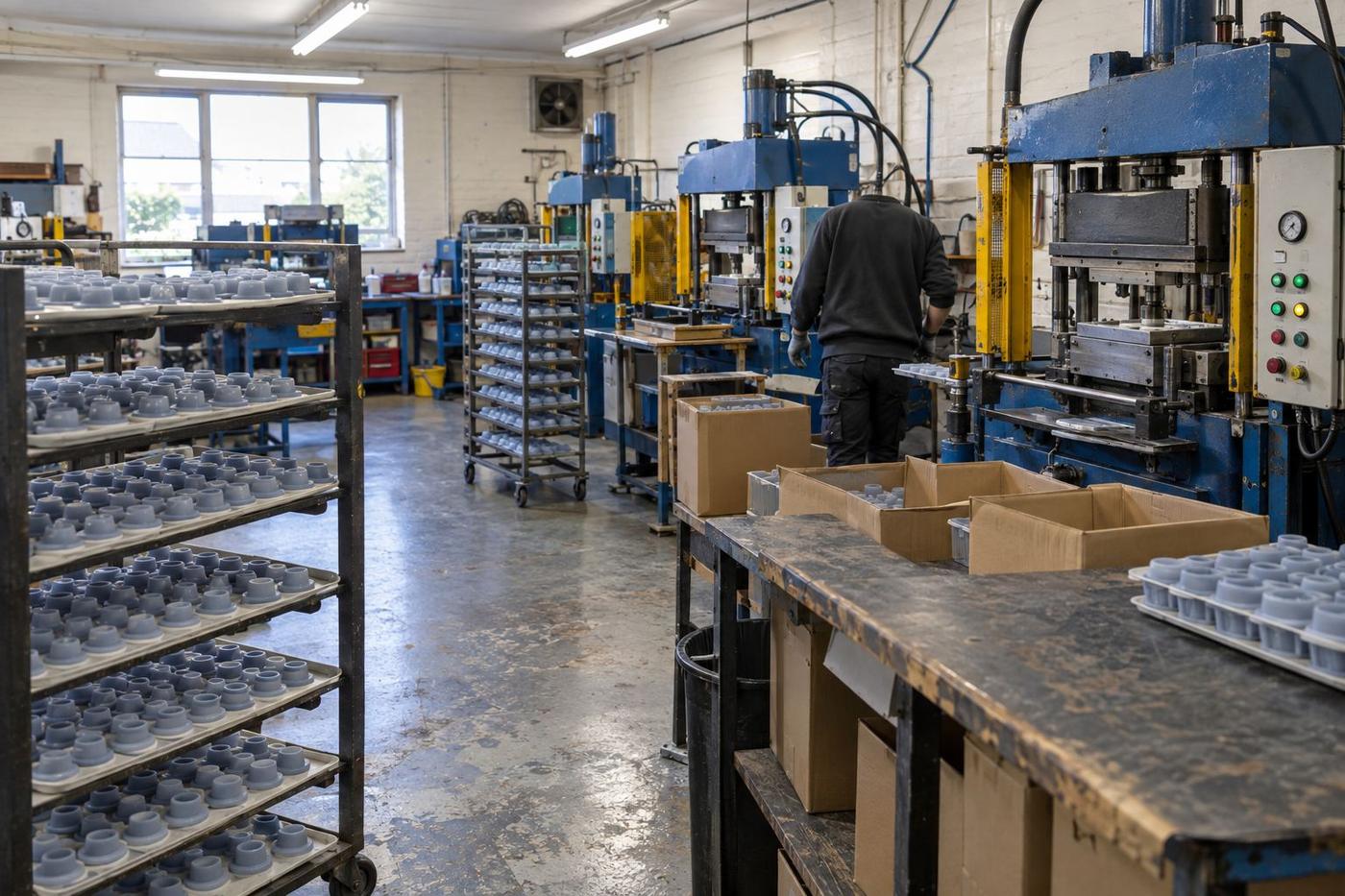
Moulding presses and trays of identical silicone parts during a volume run.

Scaling a silicone part to volume

Your part is selling. Demand is climbing. The tool and process that worked for early batches start to strain. Here's how to scale without disrupting supply.

Read the guide
HCR compound and LSR moulded parts compared on a workshop bench.

When to switch from HCR to LSR

Many silicone parts start life in HCR, compression or injection moulded. As volumes grow, LSR starts to look attractive. Here's how to tell whether the switch will pay off.

Read the guide
Designed and developed in the UK. UK moulding capability, with some higher-volume production placed with trusted partners where that's the right commercial answer.

At a glance

The idea in a picture.

Which route suits your quantity

PrototypesHundredsThousandsTens of thousandsPrototype toolingCompression mouldingTransfer mouldingSolid silicone injectionLSR injection

Swipe to see the whole diagram

A general picture. Shape, material and detail also decide the route, and we talk it through with you.

Get in touch

Tell us the part, the volume, and the timeline.

Rough annual volume, target unit price, and any deadlines. That's enough to work out whether compression, LSR injection or something else is the right tool.

Real people, a real workshop

You deal with the people who make it.

No call centre and no middlemen. When you contact TCI Products, you speak to the team who design, build and check your mould.

  • A real Warwickshire workshopUnit 15, Waterloo Park, Bidford-on-Avon, Alcester B50 4JG.
  • Real people on the phoneCall the team on 01789 224228, Monday to Friday.
  • The same team on every jobDesign, production and aftercare come from the people you see here.
  • Part of TCI GroupFive specialist brands, one engineering team. Visit TCI Group.
A stack of TCI silicone moulds.
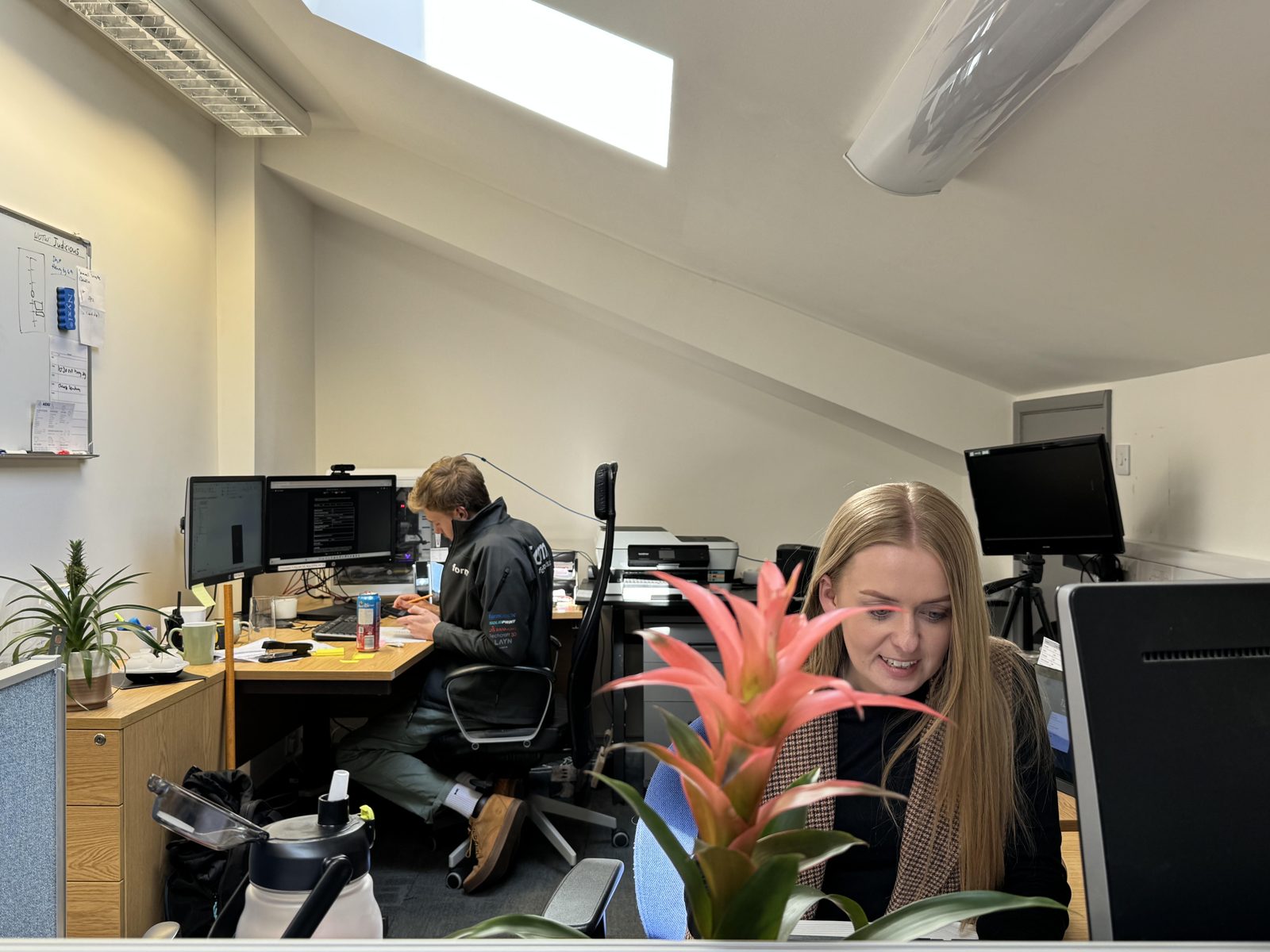
The TCI design and project office.
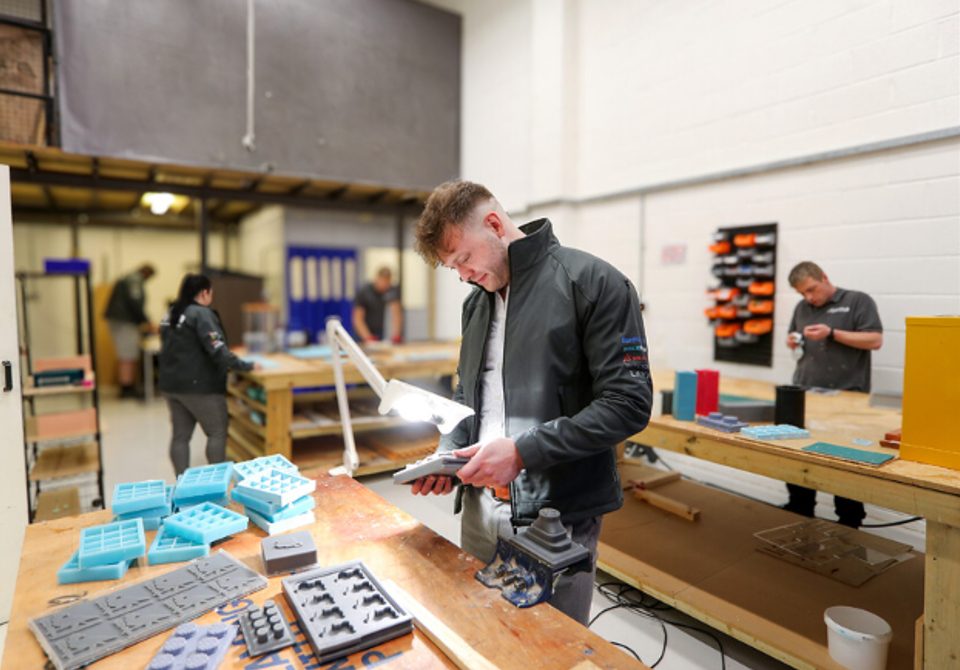
The TCI workshop, with moulds on the bench mid-build.
  • Thomas LaneManaging Director
  • George PrestonDesign & Project Manager
  • Kelly BallingerHead of Partnerships
  • Jim AndertonProduction Manager
  • TheodoreEmployee Welfare
Meet the team