O-ring compression
Catalogue O-rings cover most needs. When yours falls outside them — an odd size, a special compound, a colour for identification —…
Open this variantVolume route · solid silicone and rubber
Solid silicone or rubber pre-formed, loaded into a heated steel tool, and pressed under cure. Sensible tooling cost, thousands of parts per tool, and the workhorse route for volumes that don't yet justify LSR.
The workhorse
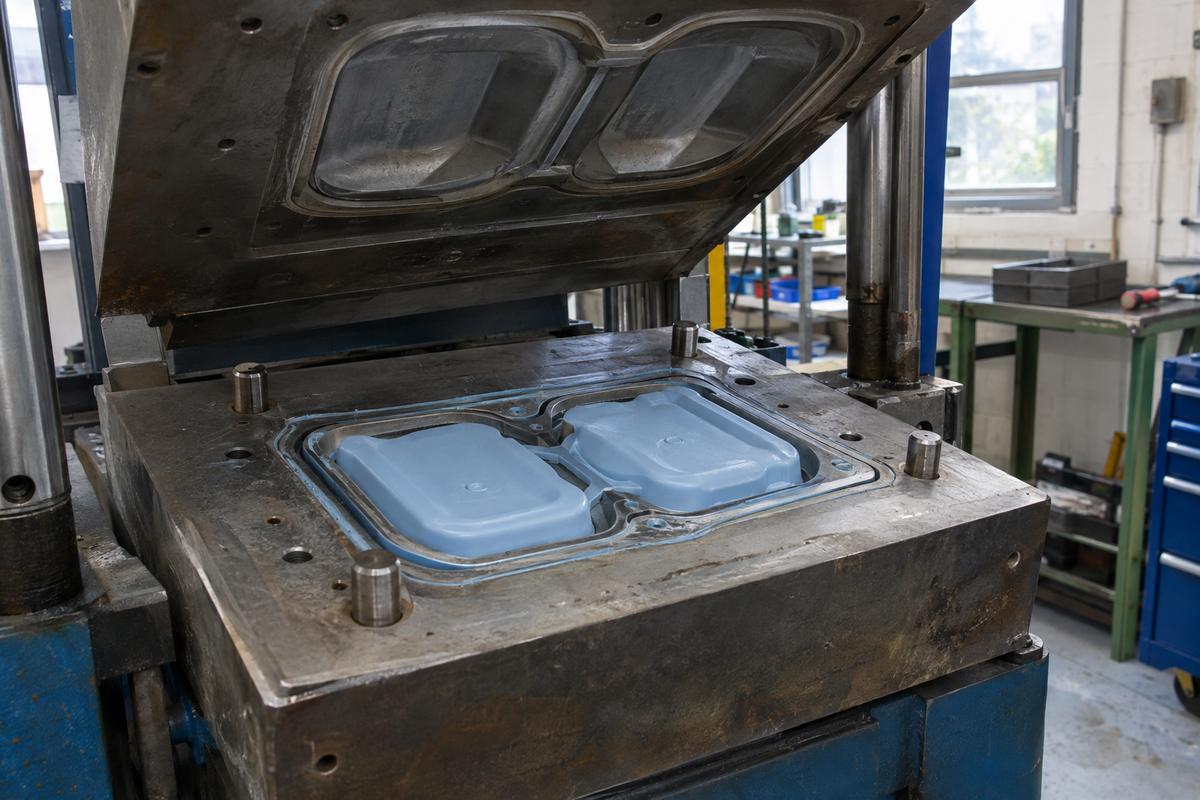
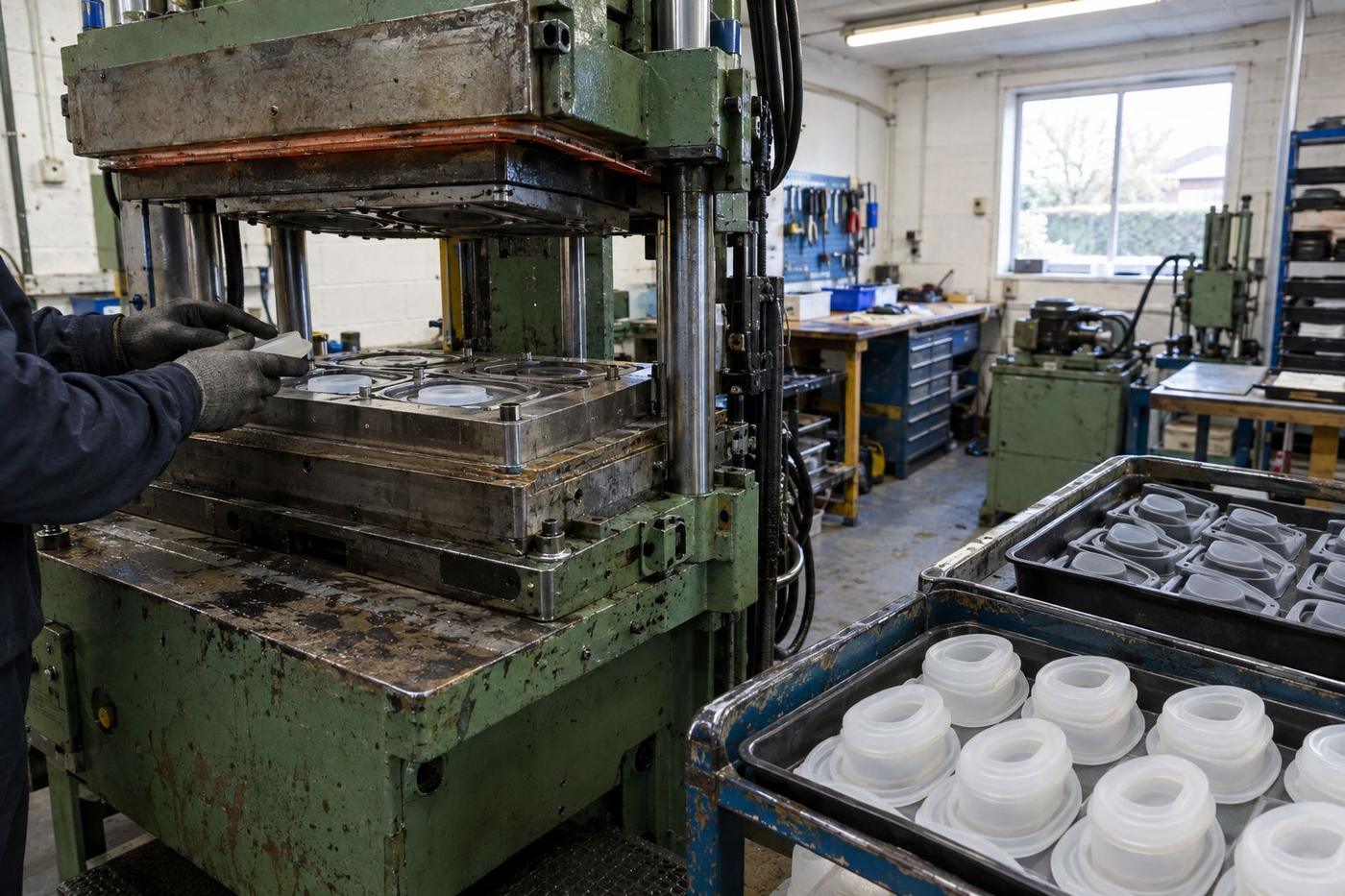
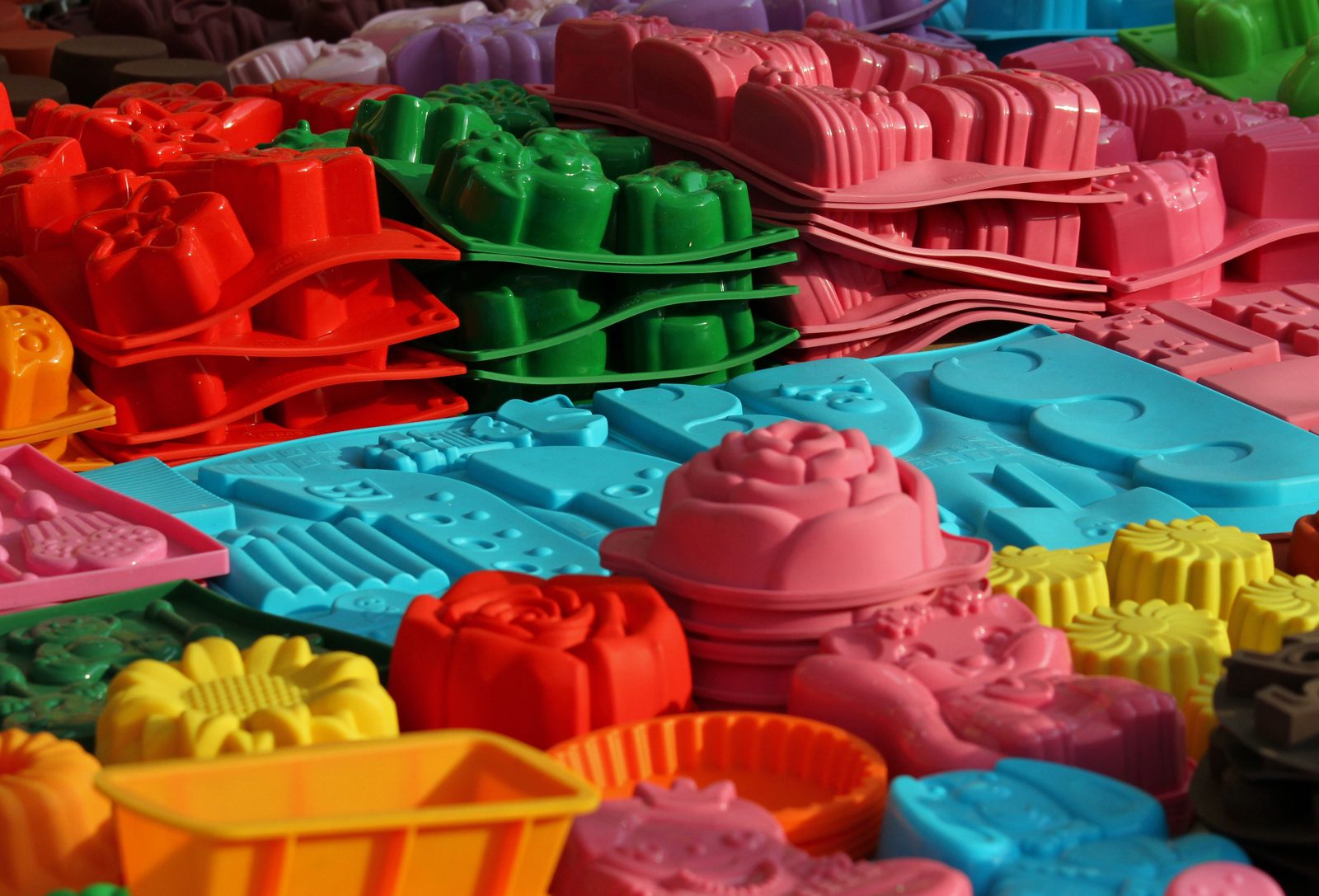
Most of the rubber and silicone parts in the world are made this way. A pre-formed slug of material is placed into a heated steel tool, the press closes, the material flows to fill the cavities, and cure completes under pressure and heat. Simple, repeatable, and forgiving.
Compared with LSR injection, tooling costs a fraction — often a tenth. Cycle times are longer and there's flash to deal with, so the unit cost above a certain annual volume tips in LSR's favour. But below that point, compression wins on total cost every time.
It's also the route we use for materials LSR can't handle: EPDM, nitrile, natural rubber, high-durometer silicones, and any grade that's supplied as a solid gum. Almost anything in the rubber family can be pressed.
For most first tools — where you're still learning what the part wants to do at volume — compression is where we start. If demand later justifies it, we can convert the design to LSR without having thrown away the earlier tooling investment.
Drill down
Each variant has its own page with the specifics: where it fits, how we run it and what to send us.
Catalogue O-rings cover most needs. When yours falls outside them — an odd size, a special compound, a colour for identification —…
Open this variantNot every medical part needs an LSR injection tool. For early device builds, low-volume products and larger components, compression…
Open this variantPads, buffers, bellows, grommets and seals for machines that have to keep running. Industrial compression work is about the right compound…
Open this variantWhy buyers choose it
A compression tool for a modest part is a fraction of an LSR tool. That means the numbers work at annual volumes where LSR would be a very expensive mistake.
Silicone in high durometers, EPDM, nitrile, natural rubber — all press well. LSR only injects one material family. Compression opens the whole rubber shelf.
A steel compression tool can be reworked more freely than an injection tool. If the design still has iterations left in it, compression tolerates that better.
How it runs
The process itself is straightforward. The craft is in the tool design, the material charge, and where the flash lands.
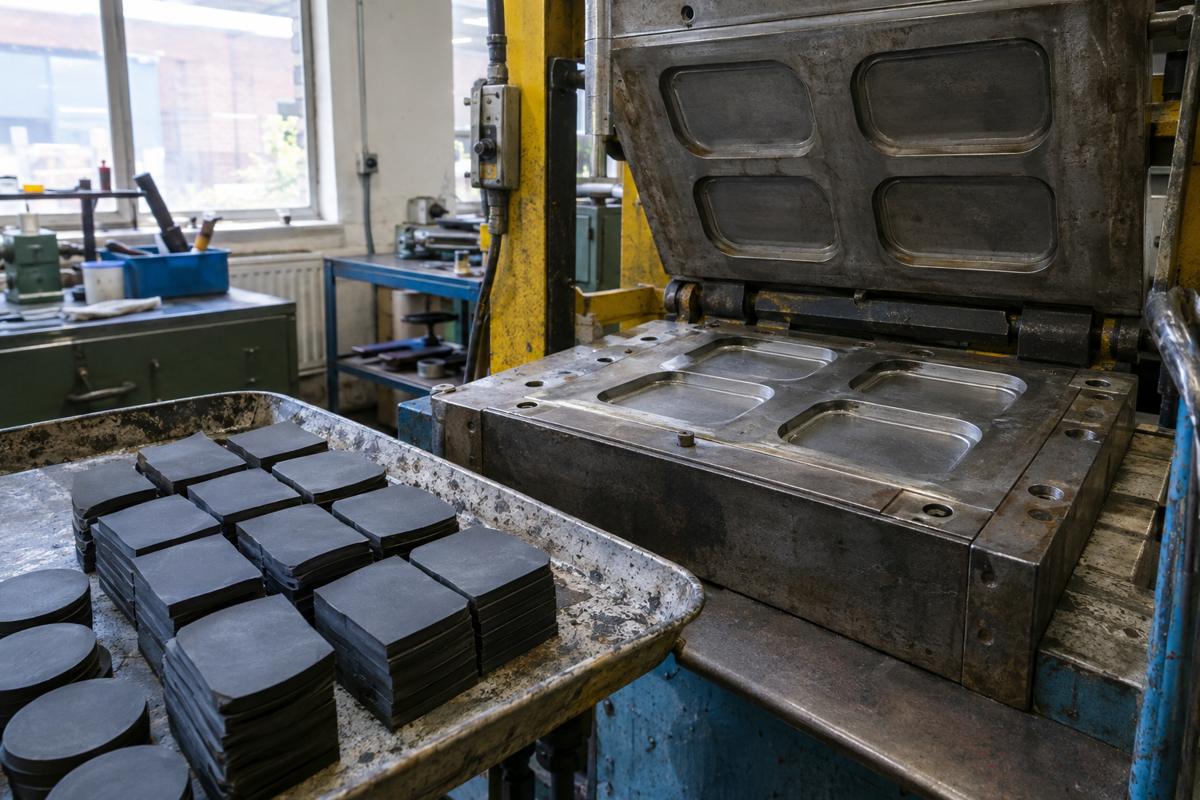
The material is milled to the right consistency and cut to weight for the shot. A slightly overweight charge is deliberate — it guarantees fill and forces the excess into a defined flash groove.
The operator (or a robot, on higher-volume cells) places the charge into the cavity, on top of any inserts if the job is an insert-moulded part.
The press closes under specified pressure. The heated platens transfer heat into the tool; the material flows to fill the cavity; cure completes within the specified time.
The press opens and the parts are lifted from the cavities. On many tools, this happens by hand; on higher-volume cells, ejector pins or a stripper plate release the parts.
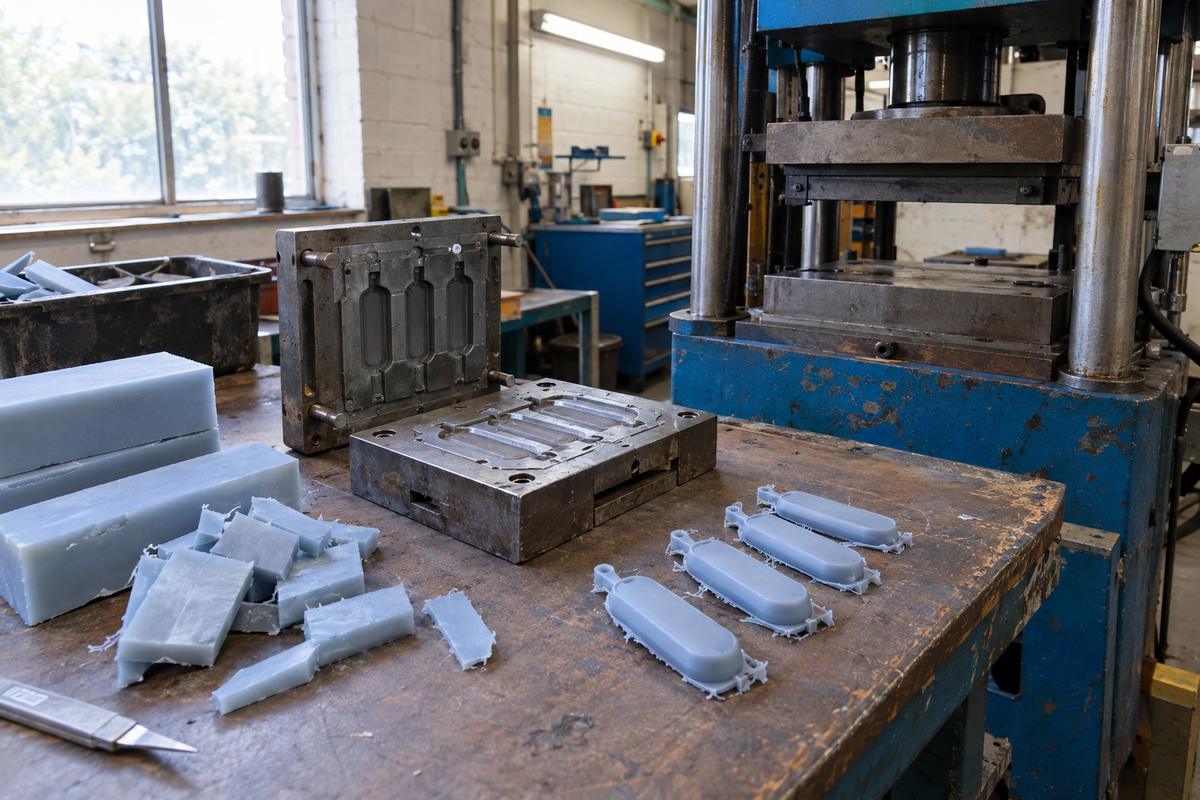
Excess material is trimmed off — by hand for short runs, or through a cryogenic tumble for higher volumes. First-off parts are checked against the approved sample.
To quote it
A drawing or a sample and a nominated grade. We'll flag any features that will be awkward in compression before you commit.
This sets cavity count. A one-cavity tool is fine for a few thousand a year; a twelve-cavity tool is what you want above 50,000.
Whether the part needs bonding, printing, secondary trim or assembly after moulding. All of that can happen here.
If the forecast will double in eighteen months, we'll design the compression tool with LSR conversion in mind — same part geometry, tool built to migrate.
Related routes
High-consistency silicone injected under heat into steel tooling. For a component you'll buy every quarter for years, this is the lowest cost per…
Read moreTwo-part liquid silicone metered, mixed, injected cold and cured hot. The cleanest route we have for medical, wearable and electronics parts at…
Read moreFor volumes measured in the hundreds or low thousands per batch, released on your schedule rather than ours. Bridge tooling, dedicated compression,…
Read moreAt a glance
Which route suits your quantity
Swipe to see the whole diagram
From drawing to delivered parts
Swipe to see the whole diagram
Get in touch
Rough annual volume, target unit price, and any deadlines. That's enough to work out whether compression, LSR injection or something else is the right tool.
Real people, a real workshop
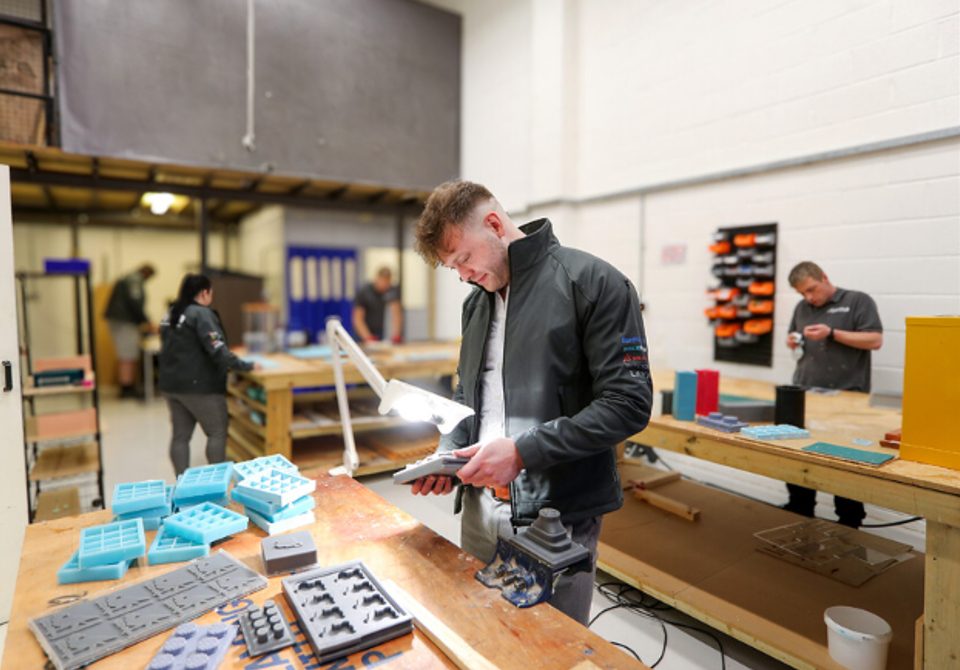
No call centre and no middlemen. When you contact TCI Products, you speak to the team who design, build and check your mould.

 Thomas LaneManaging Director
 George PrestonDesign & Project Manager
 Kelly BallingerHead of Partnerships
 Jim AndertonProduction Manager
 TheodoreEmployee Welfare