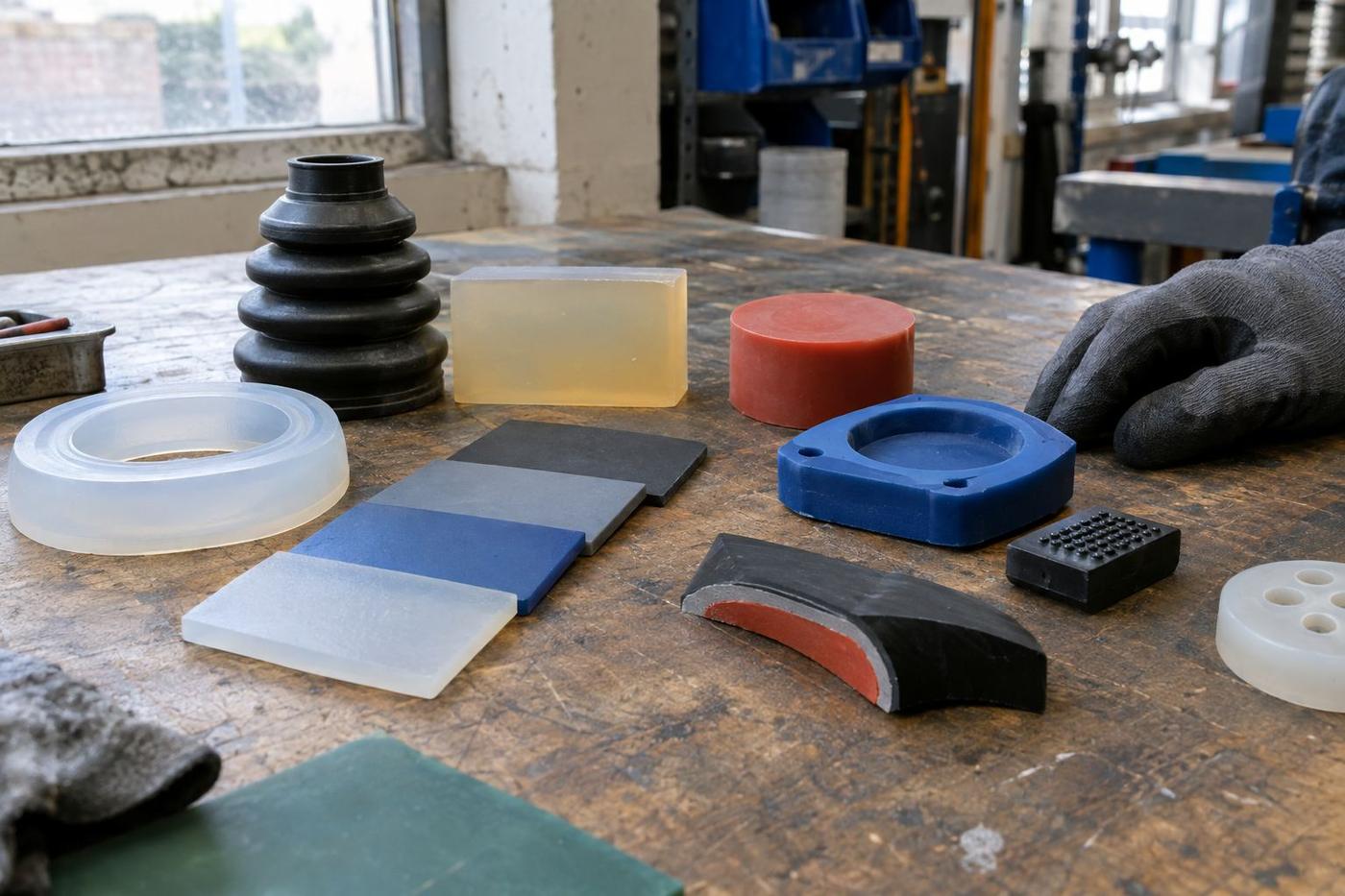
Grade documented at first sign-off
Every programme starts with a formally documented material grade. Supplier, part number, technical data sheet, batch traceability format — all recorded before the first production batch runs.
Grades, families, colour, traceability
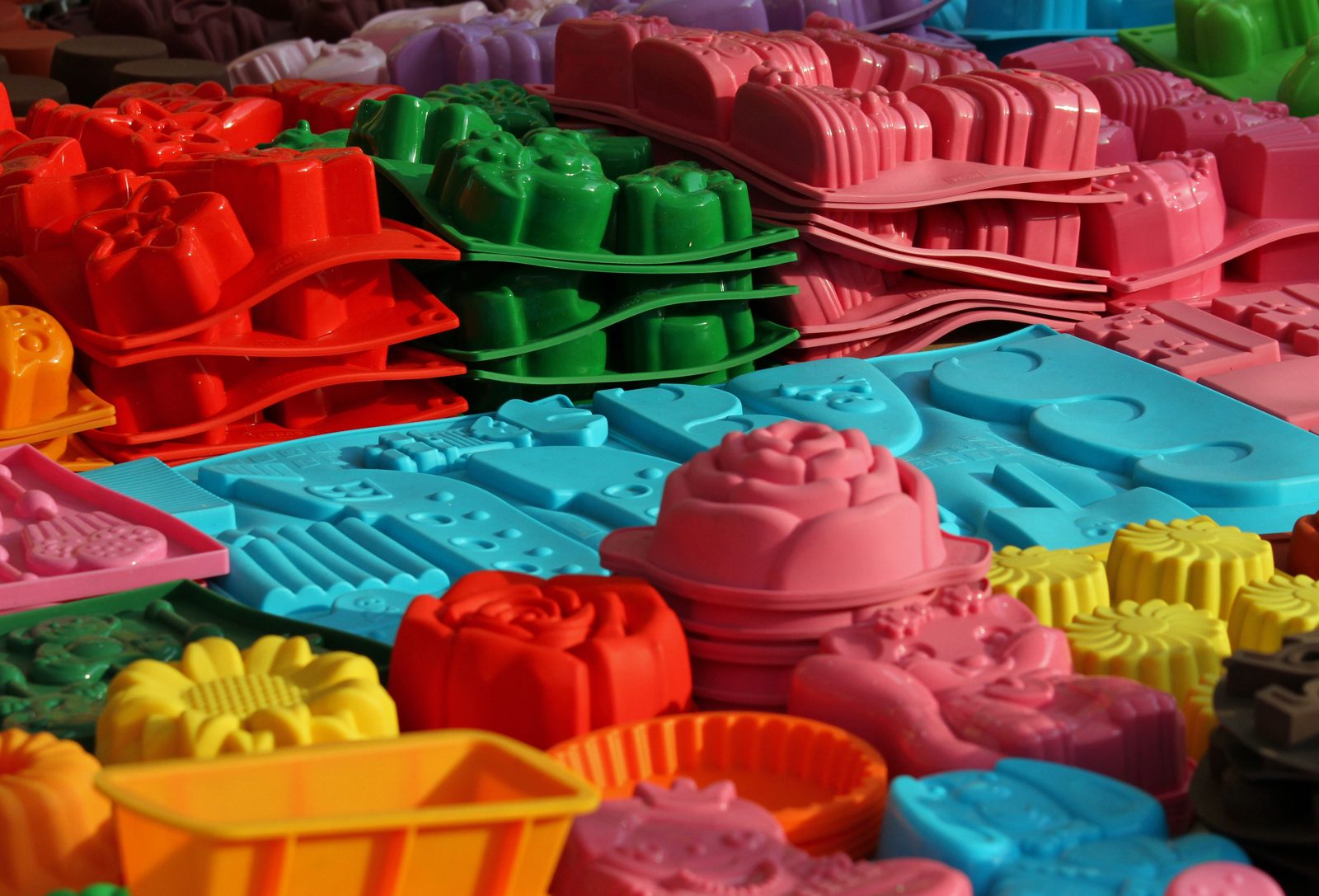
Silicone comes in many families, several grades, and dozens of colour recipes. Rubber is broader still. Getting the material choice right is often the difference between a part that lasts the product life and one that gets returned in year two.
How we approach materials
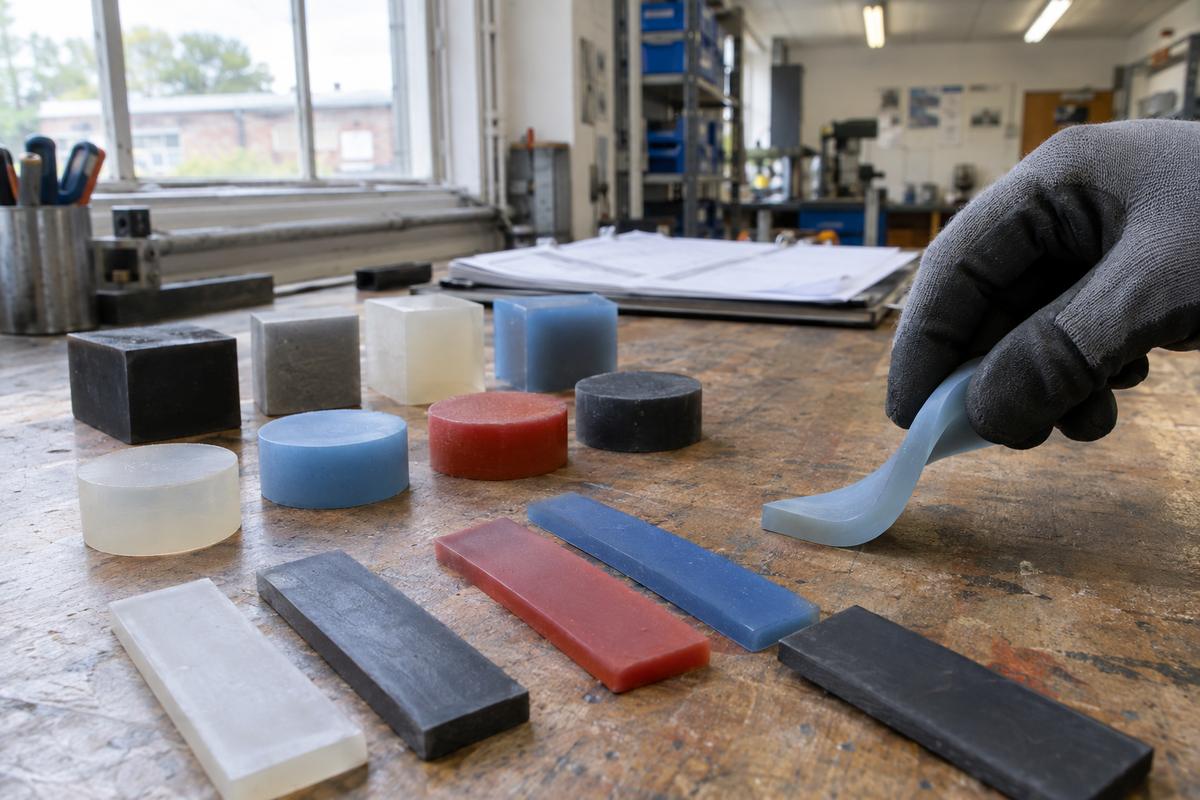
For every part we make, three material decisions land at the start: which polymer family, which grade within that family, and which colour recipe. Sometimes the customer already knows all three. Often they know one and need help with the other two.
We don't sell materials — we buy them from qualified suppliers, mould with them, and hand you documentation for what's in your batch. That means the grade choice is genuinely open at the start of a programme; we're not steering you toward stock.
Once the grade is locked, we colour-match against a physical chip, not against a Pantone number. Pantone works for print; it doesn't survive translation to silicone pigmentation. A physical chip signed off under standard lighting is what stays consistent batch to batch.
Polymer families
The most versatile family. Excellent temperature stability, biocompatible grades available, wide durometer range, cleanable. LSR is the liquid two-part system for injection; HCR is the solid gum used in compression and solid-silicone injection.
Traditional rubbers. Excellent for outdoor exposure (EPDM), oil resistance (nitrile), or high mechanical performance (natural rubber). Compression-moulded, since these are supplied as solid gum.
Higher temperature stability, fuel and chemical resistance, or specialist certifications. Cost more per kilo; used only where the application demands them.
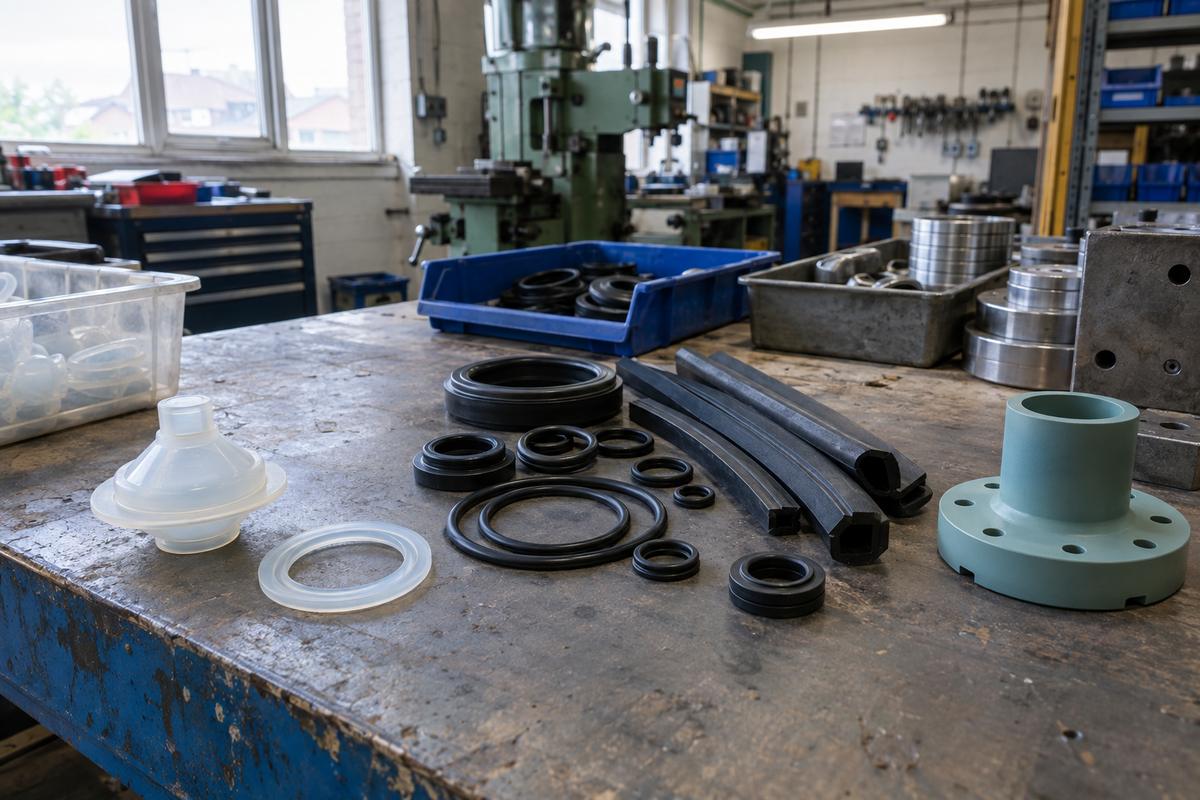
Colour, grade and paperwork
Every programme starts with a formally documented material grade. Supplier, part number, technical data sheet, batch traceability format — all recorded before the first production batch runs.
Colour matching is done against a physical silicone chip you sign off under standard lighting, not against a Pantone number. The pigment recipe is recorded and reused for every batch.
Material batch, colour recipe reference, cure conditions, first-off sign-off, tool ID and run date. In whatever format your quality system expects.
Once a grade or recipe is locked, changes require your sign-off. We don't substitute upstream and hope you don't notice. That's the discipline that keeps batch three years in feeling like batch one.
Related services
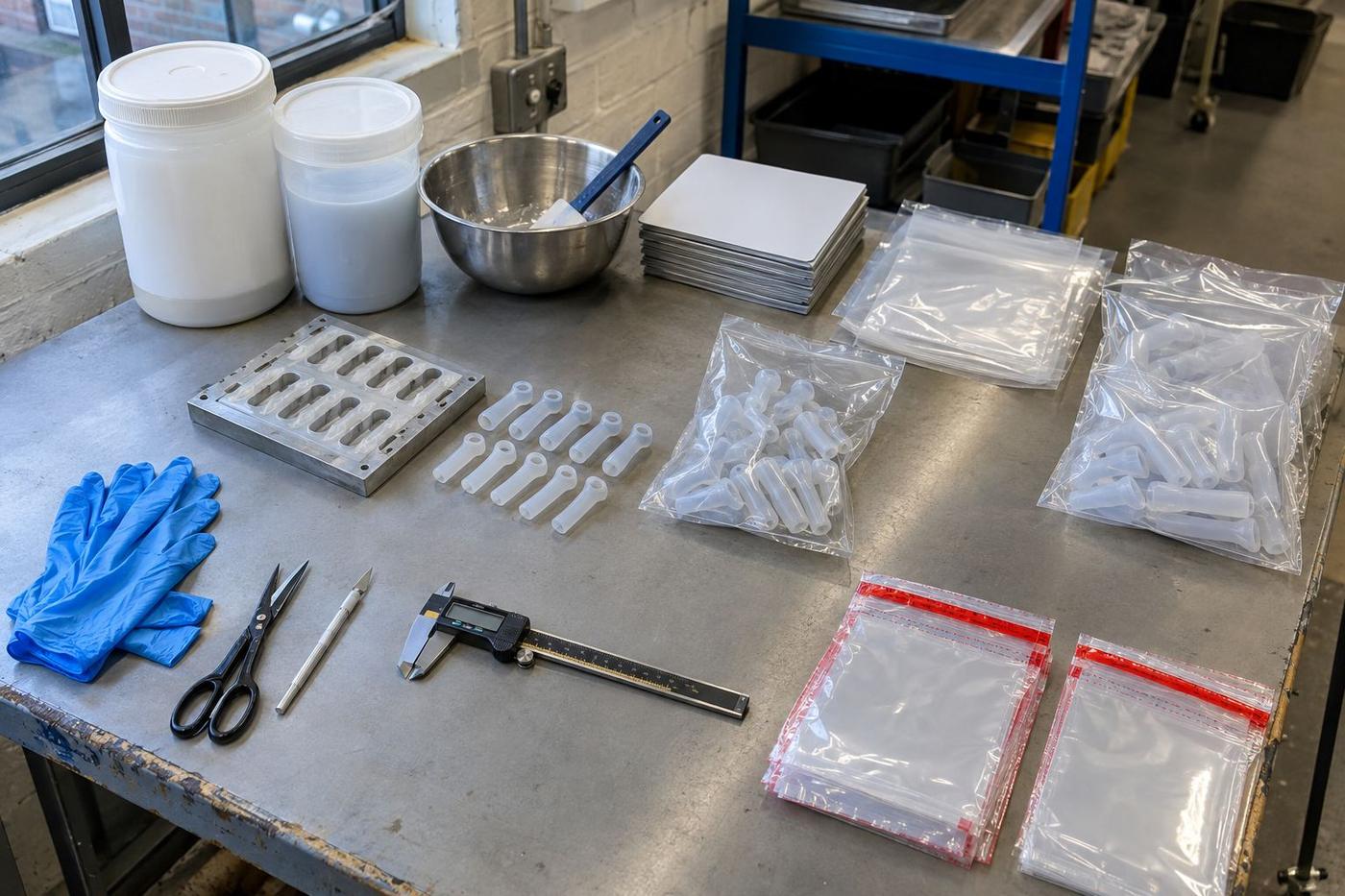
For medical device programmes. Silicone moulding for medical device makers using medical-grade materials to a documented specification, with batch traceability from drum t…
Open the service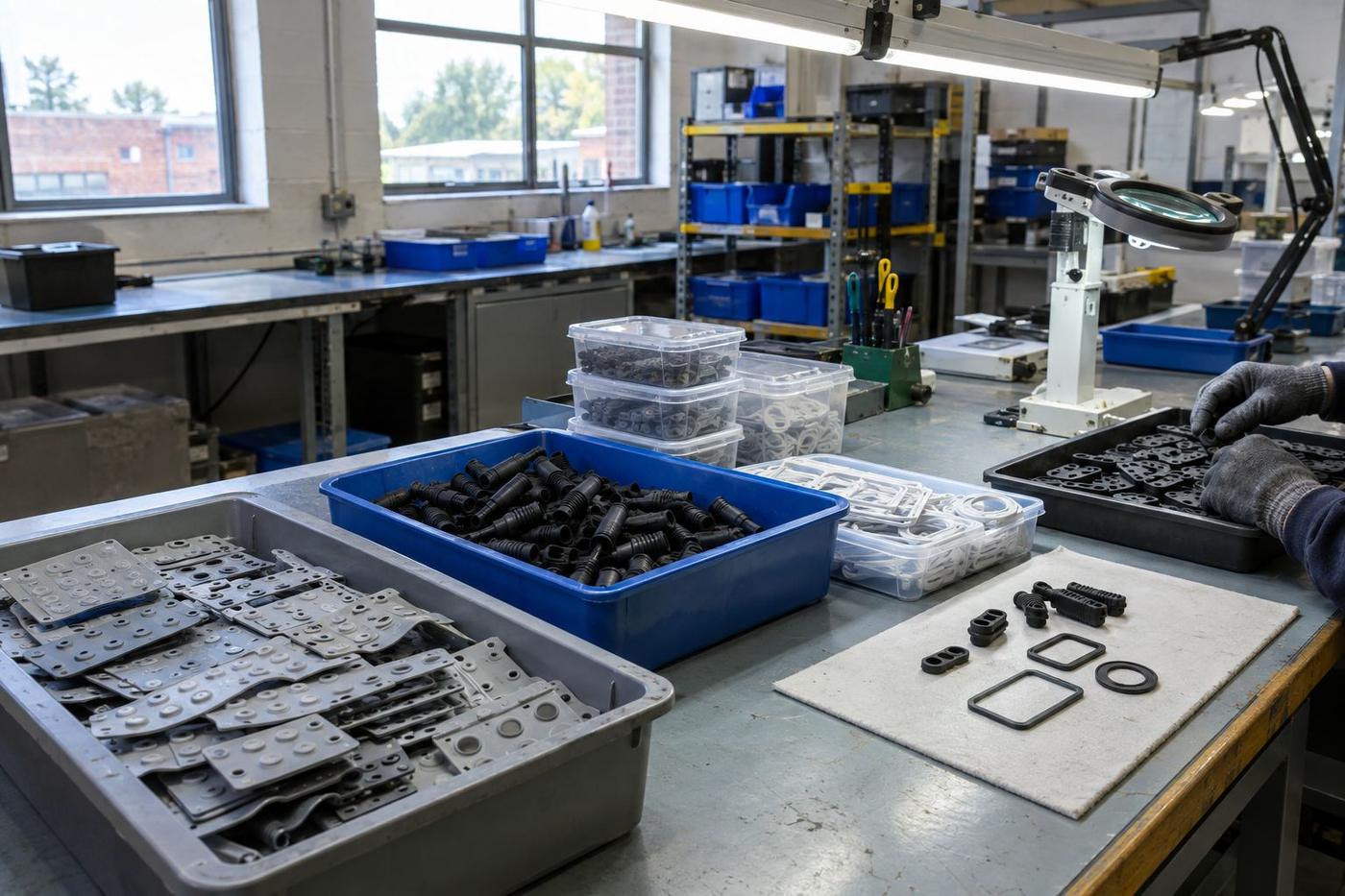
For electronics-adjacent parts. Silicone moulding for electronics OEMs — insulating gaskets, sealing membranes, keypad mats, connector boots, enclosure seals. Electronics-g…
Open the service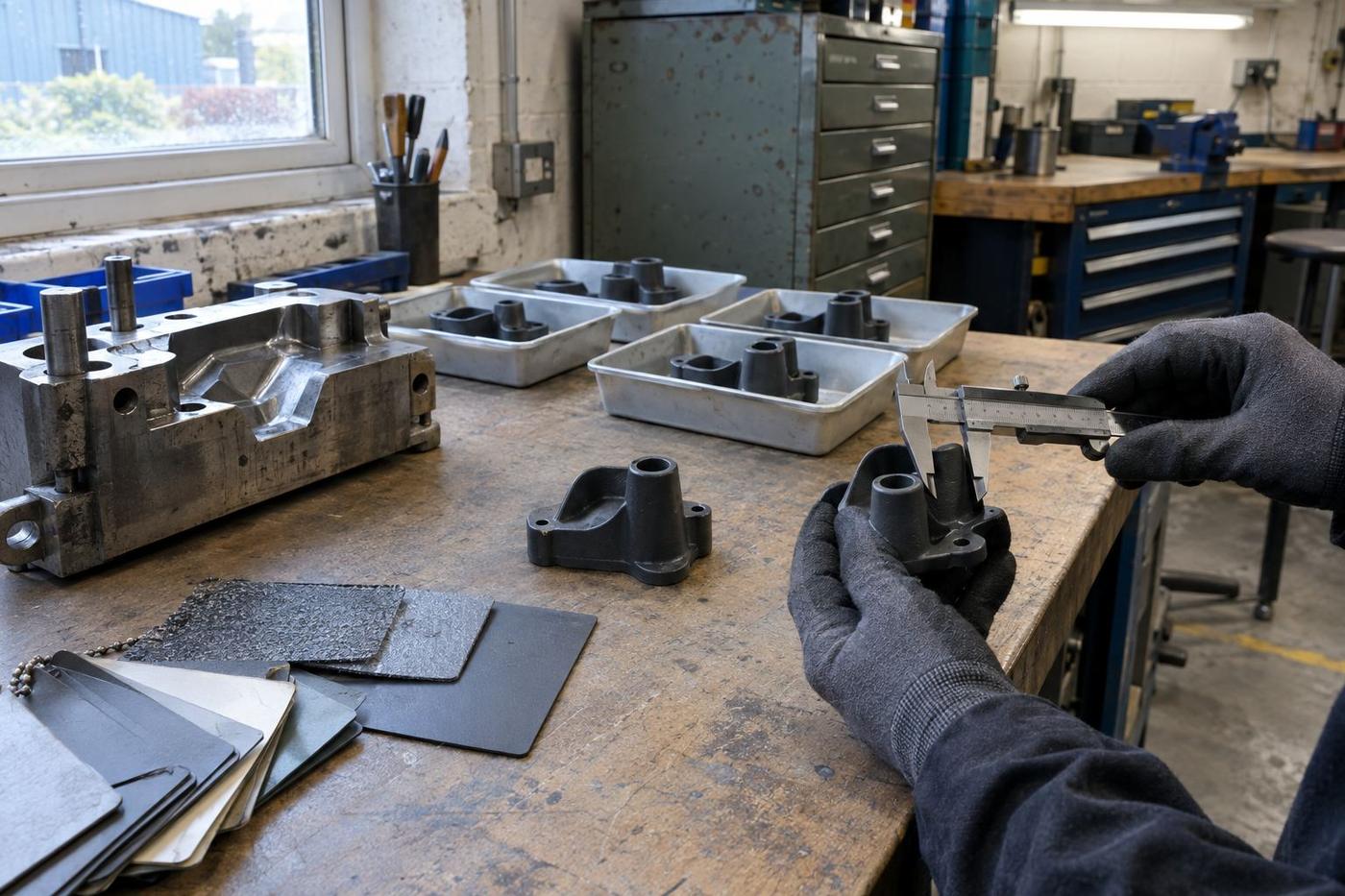
For long-life material continuity. For parts that will be in production for years — components inside a device family, sealing parts on long-lived equipment, consumer parts on…
Open the serviceGet in touch
Rough annual volume, target unit price, and any deadlines. That's enough to work out whether compression, LSR injection or something else is the right tool.
Real people, a real workshop
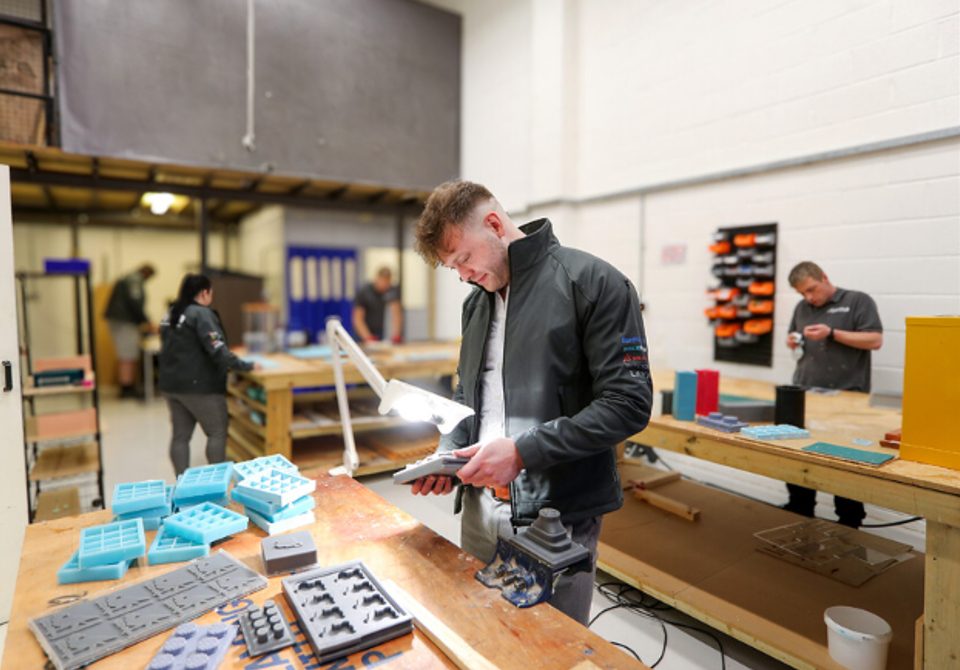
No call centre and no middlemen. When you contact TCI Products, you speak to the team who design, build and check your mould.

 Thomas LaneManaging Director
 George PrestonDesign & Project Manager
 Kelly BallingerHead of Partnerships
 Jim AndertonProduction Manager
 TheodoreEmployee Welfare