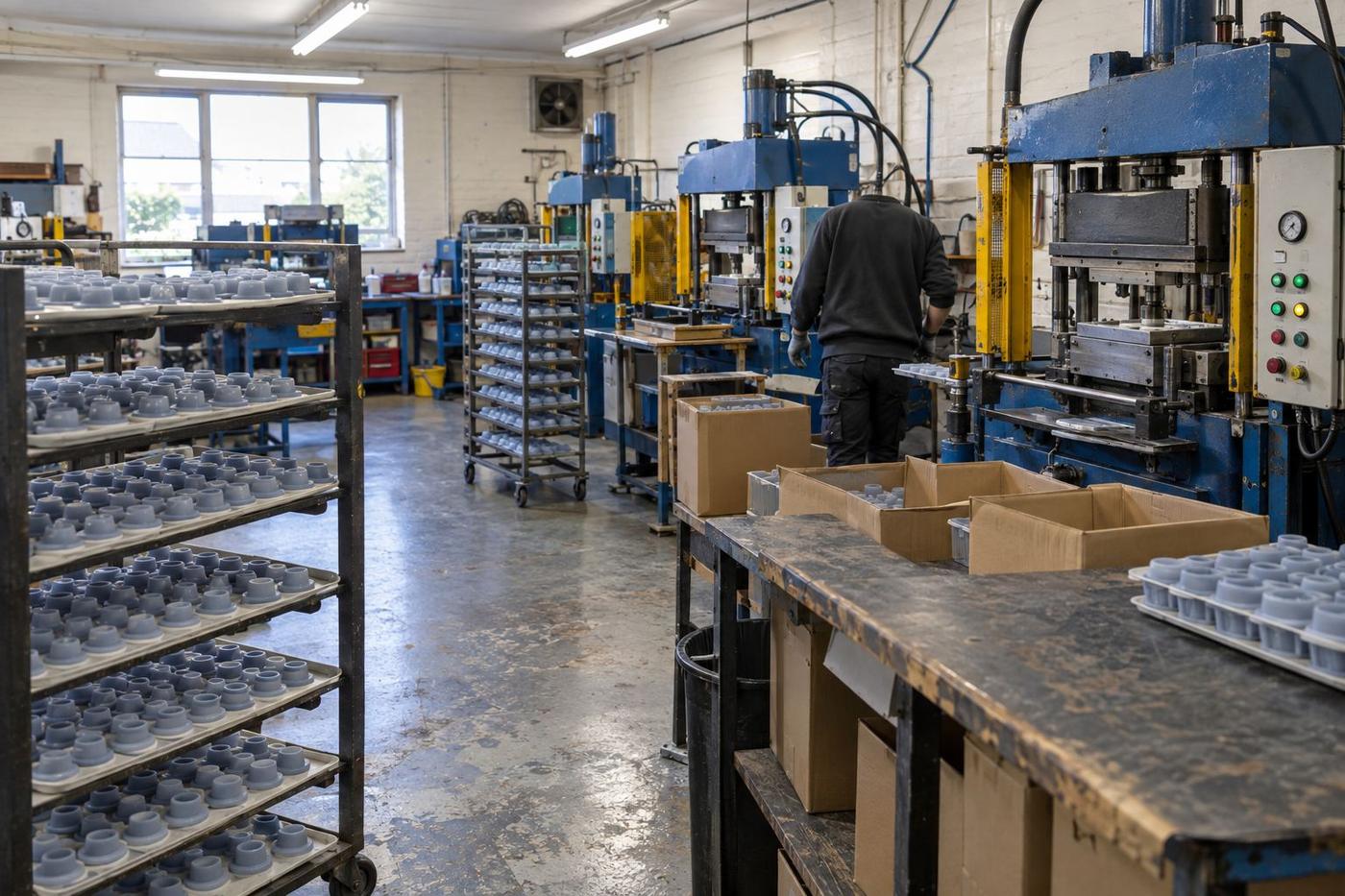
More cavities
A new tool, or added cavities to an existing base. See multi-cavity injection.
Silicone manufacturing guide
Your part is selling. Demand is climbing. The tool and process that worked for early batches start to strain. Here's how to scale without disrupting supply.
When to act
The tool is running continuously just to keep up.
Your margins now depend on part cost, not just getting parts.
One damaged tool would stop your product shipping.
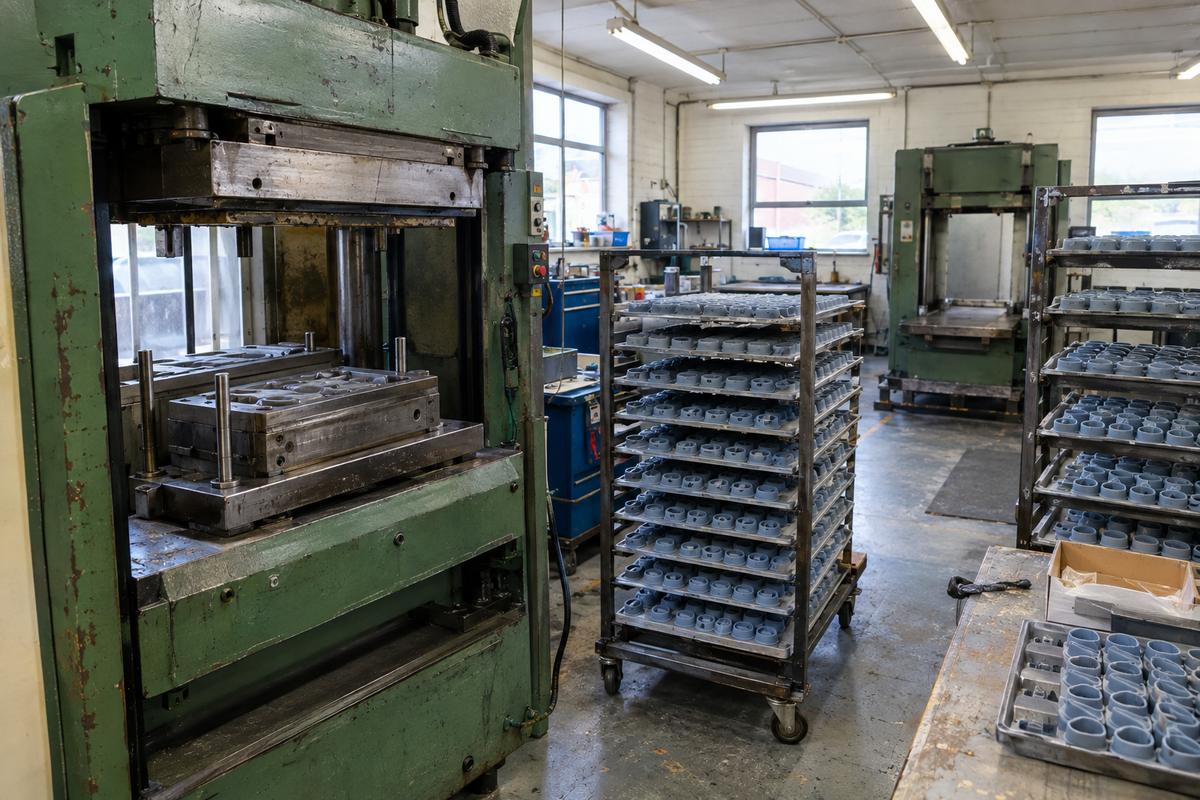
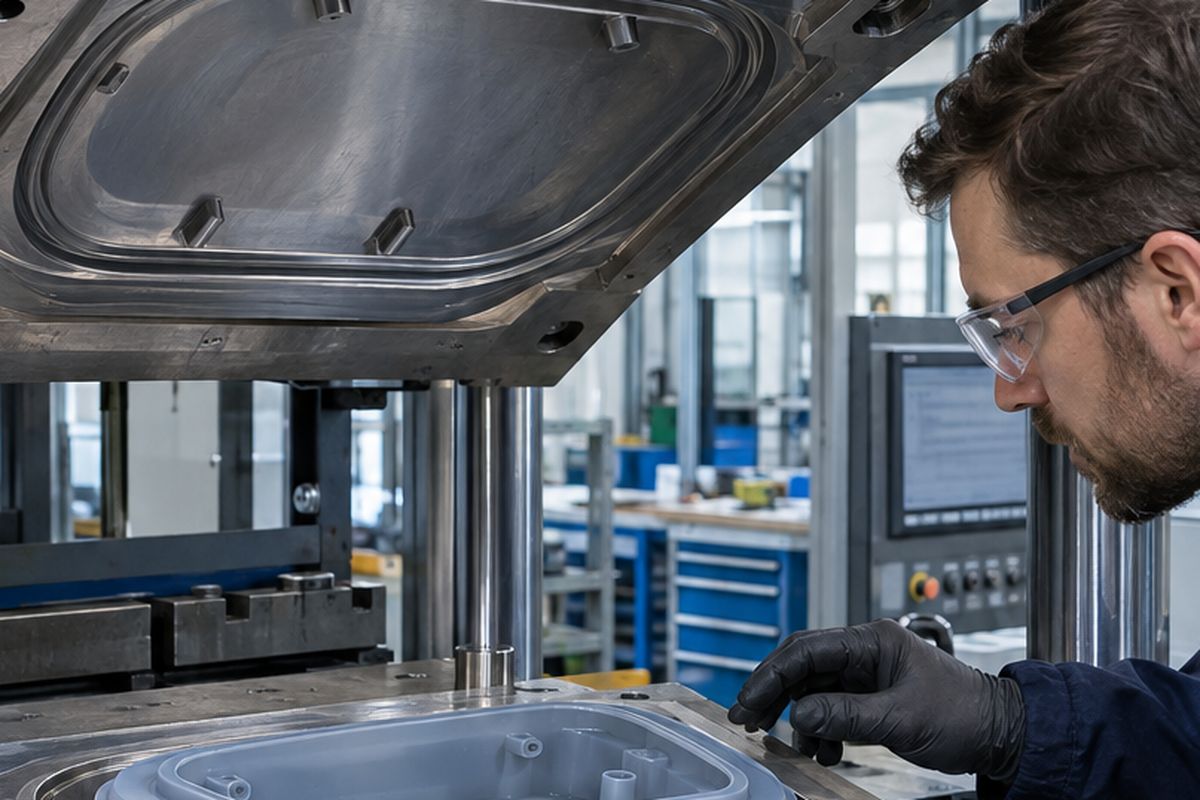
The options
A new tool, or added cavities to an existing base. See multi-cavity injection.
Duplicate tooling for capacity and resilience.
Moving from compression to injection or LSR.
Automated demould and handling at high volumes.
The approach
The rule is simple: the old supply keeps running until the new one has proved itself.
Cost and capacity of each option set out plainly.
While the existing tool keeps supplying.
First articles and trial batches approved.
Volume moved across gradually.
The numbers
New tooling is an investment that pays back through lower unit cost and reduced supply risk. We'll show you the payback against your forecast, not ours.
If your forecast is uncertain, a staged approach — adding a second tool now and more cavities later — often reduces the risk. See call-off scheduling for managing demand in between.
Keep reading
Many silicone parts start life in HCR, compression or injection moulded. As volumes grow, LSR starts to look attractive. Here's…
Read the guideThree routes, one part, one honest answer. This is the conversation we have with almost every OEM customer on the first call.…
Read the guideOvermoulding, two-shot, and bonded assembly are all ways to end up with a silicone part attached to a rigid substrate. Each has a…
Read the guideAt a glance
Which route suits your quantity
Swipe to see the whole diagram
Get in touch
Rough annual volume, target unit price, and any deadlines. That's enough to work out whether compression, LSR injection or something else is the right tool.
Real people, a real workshop
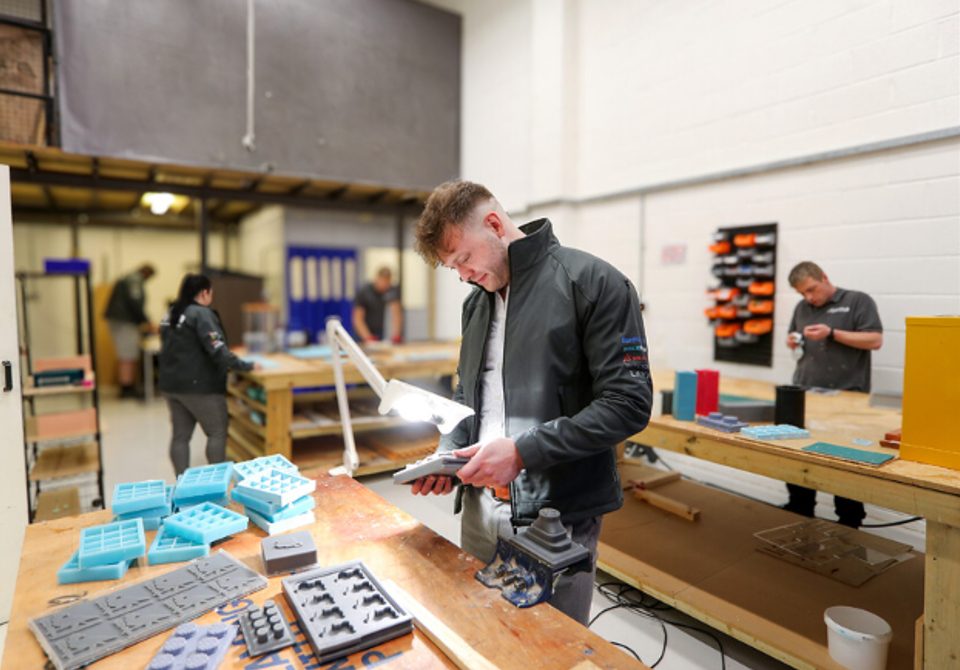
No call centre and no middlemen. When you contact TCI Products, you speak to the team who design, build and check your mould.


 Thomas LaneManaging Director
 George PrestonDesign & Project Manager
 Kelly BallingerHead of Partnerships
 Jim AndertonProduction Manager
 TheodoreEmployee Welfare