Master
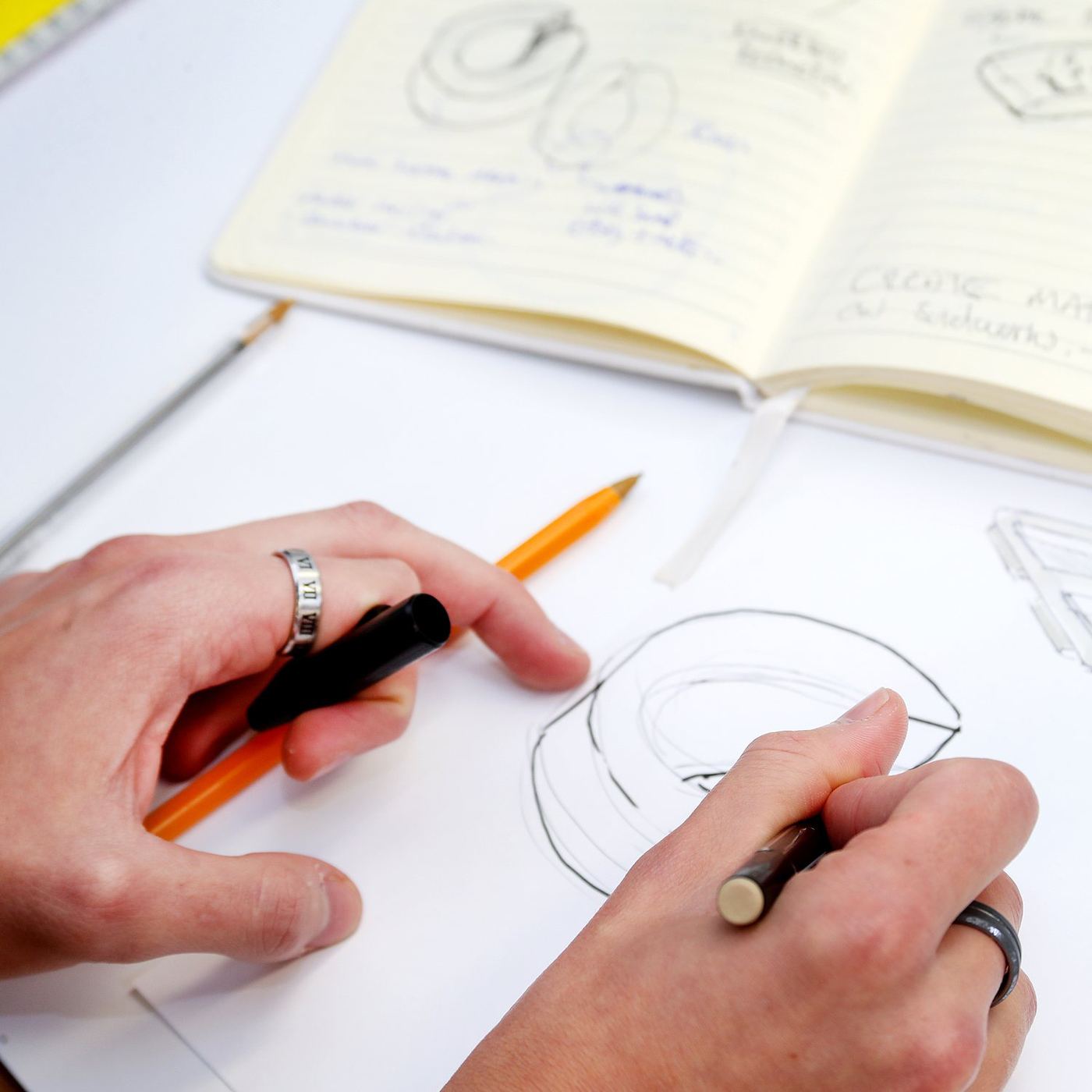
Make or supply the pattern: printed, machined or an original object.
Manufacturing services · Chapter A · Method 01
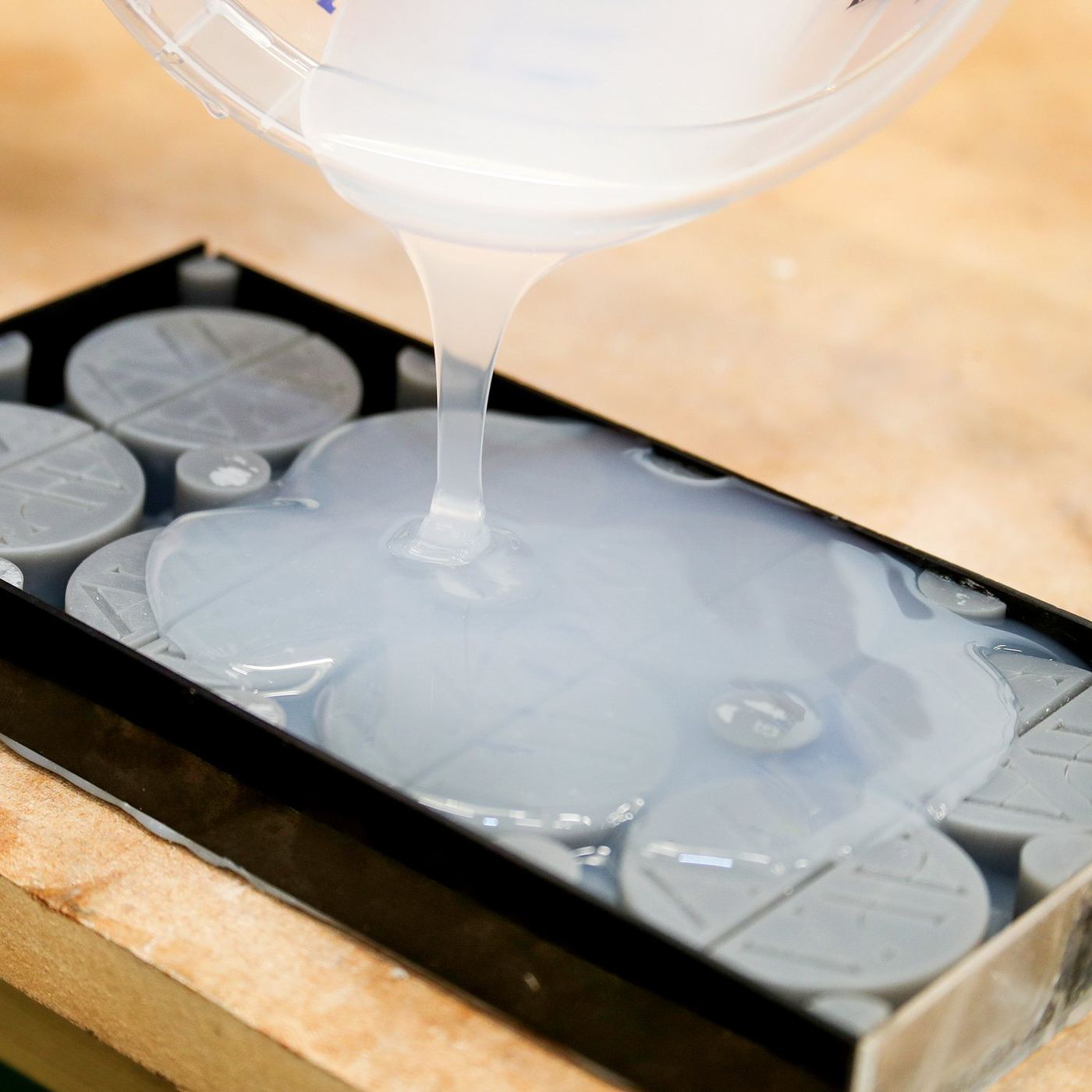
A master is fixed in a mould box and liquid silicone is poured over it. Ideal for one-off and short-run moulds with fine surface detail and deep undercuts.
How it works
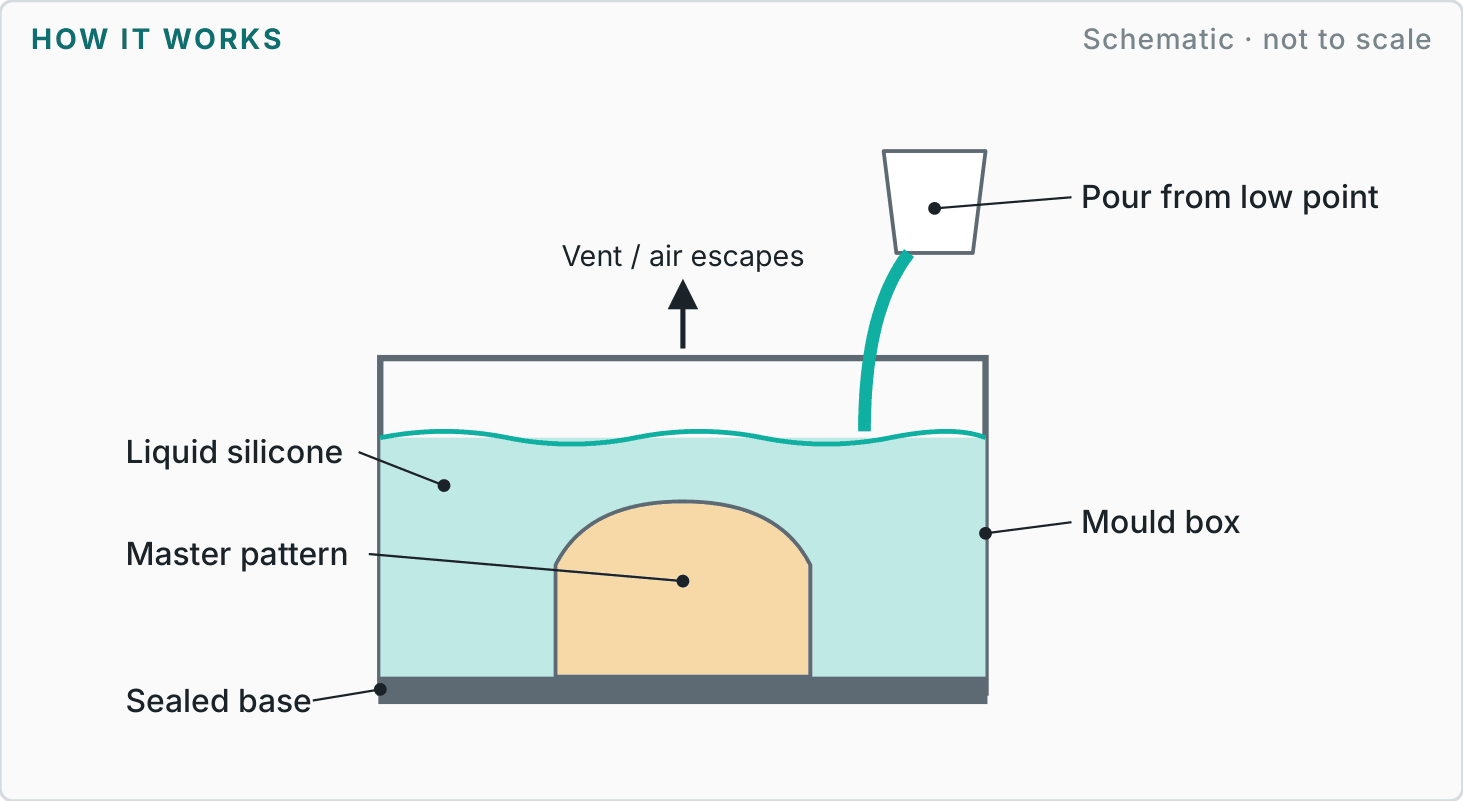
A labelled schematic of the process (not to scale), and the four steps every job goes through.
Make or supply the pattern: printed, machined or an original object.
Seal the master in a box; add vents and pour points.
Weigh, mix and de-air silicone, then pour from the lowest point.
Cure, remove the master and trim the finished mould.
Reference figures
Typical industry values to help you plan. We agree the figures for your part on the drawing.
| Materials | Platinum-cure (addition) silicones, including food-contact grades; tin-cure (condensation) silicones; polyurethane rubbers for abrasion-heavy duty. |
|---|---|
| Finishes | Matte, satin or gloss transferred from the master; textured masters give textured moulds. Pigmented to order. |
| Design guidance |
|
| Best suited to | Bakery, chocolate and confectionery moulds; decorative and architectural casting; prototype tooling. |
| Watch-outs | Mould life depends on the casting material and temperature. Large moulds need a rigid support jacket. |
More in chapter A
Next step
Send a sketch, photo, sample or CAD file with your quantity and target date. We will recommend the most sensible route and explain the trade-offs before quoting.
Reference figures are typical published industry values for planning, not a guarantee; final tolerances, materials and finishes are agreed in writing for each project.