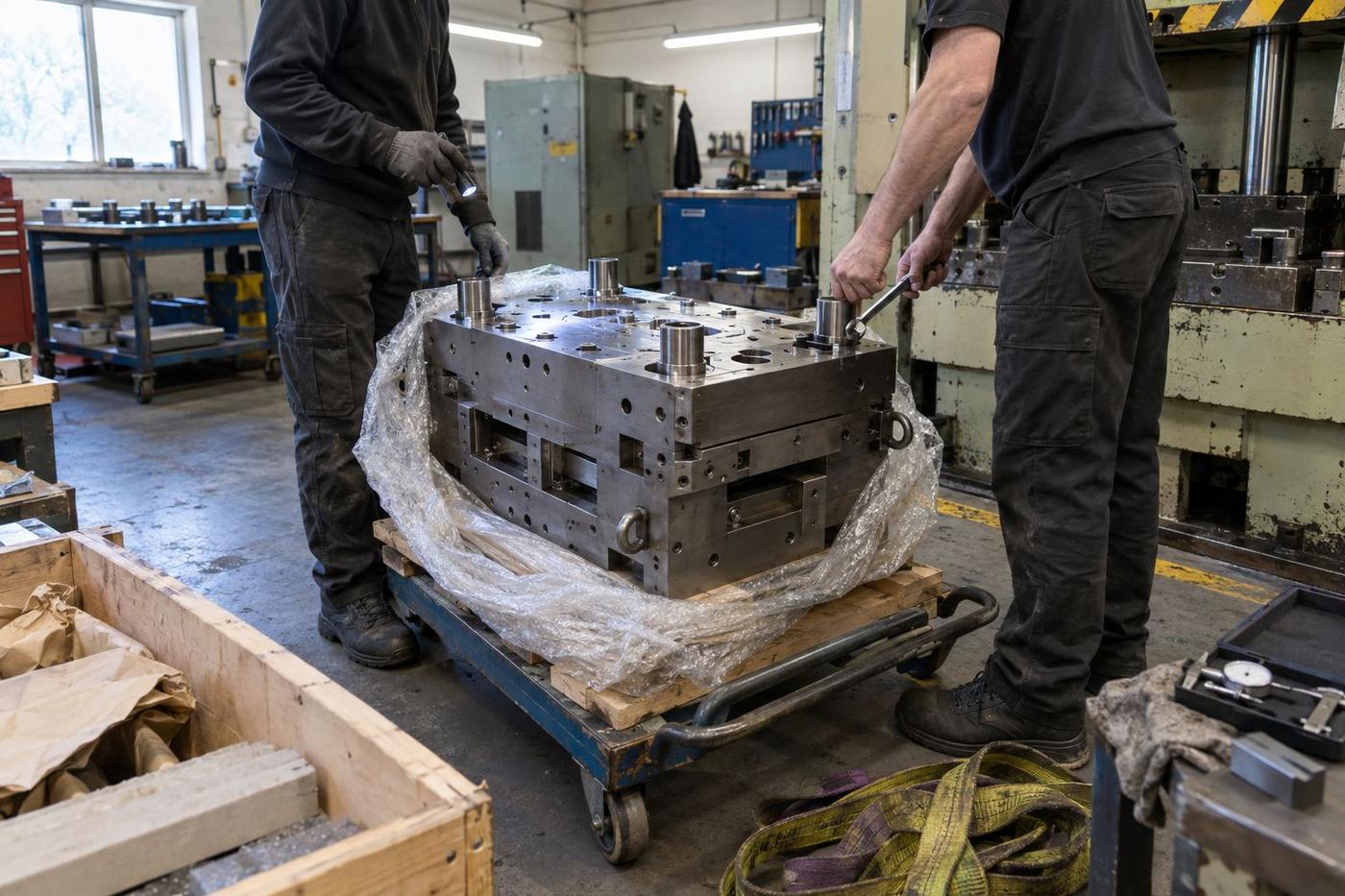
Tool condition
Wear, damage, corrosion and previous repairs.
Tooling and part continuity · Tool transfer
Your supplier has closed, moved, or stopped being reliable. You own the tools. We'll take them in, check them, and get parts running again.
The detail
A tool moving from another moulder carries history we can't see. It may have been run well or badly, maintained or neglected. So we inspect before we promise anything.
We check the tool's condition, fit it to a suitable press, run trial shots and compare the parts with your last good samples. Then we tell you plainly what's needed.
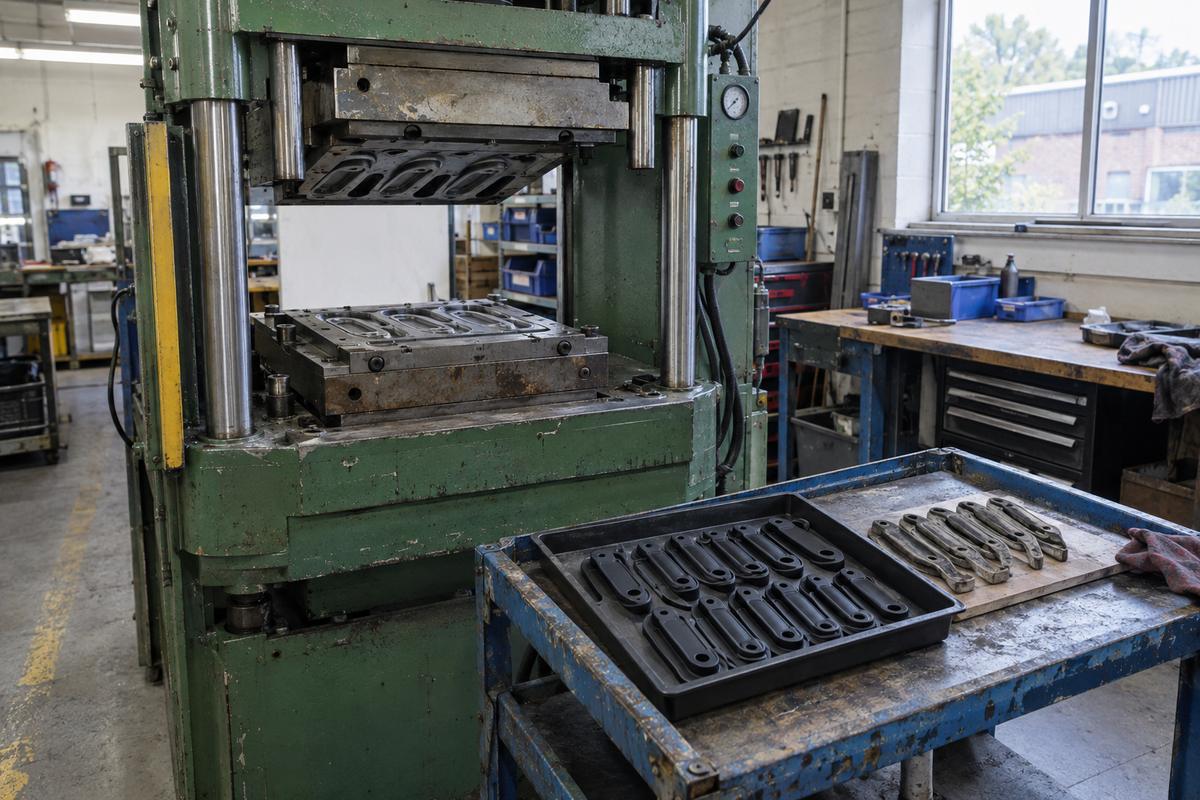
Where it fits
Wear, damage, corrosion and previous repairs.
Size, heating and clamping requirements.
Any process records and approved samples you have.
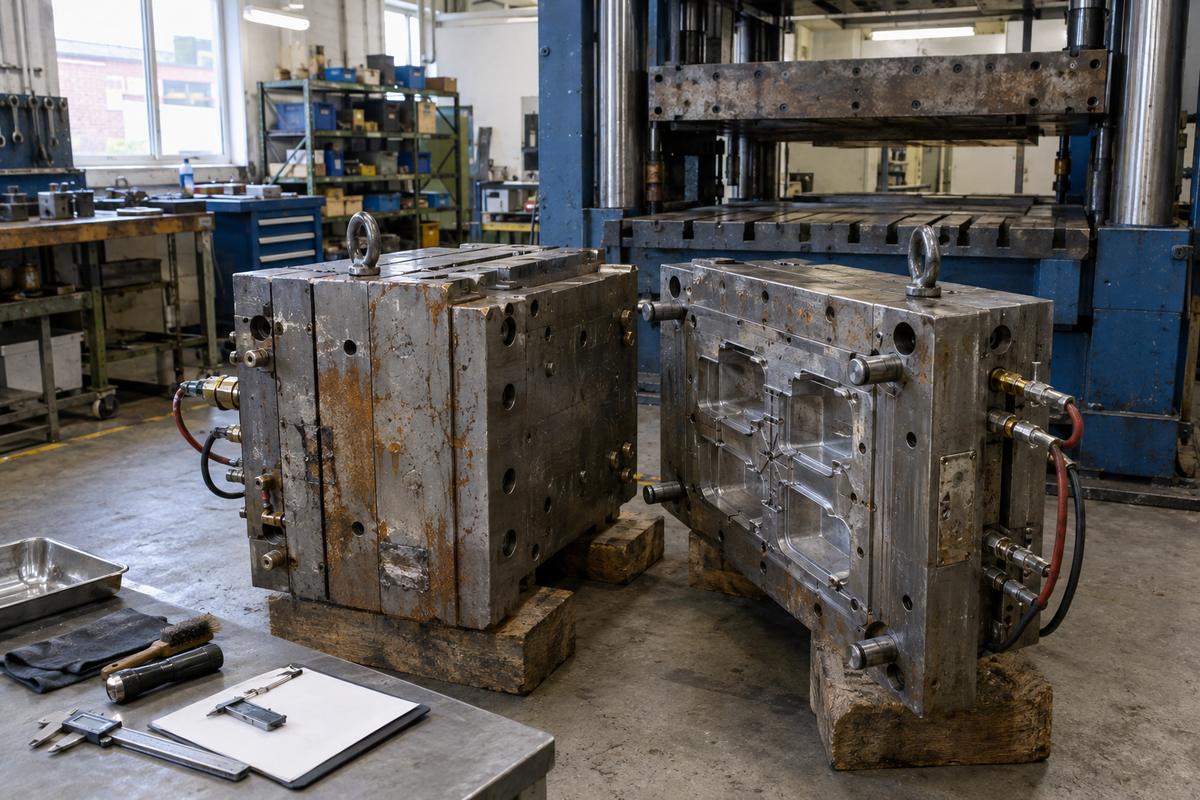
How we run it
Tools collected or delivered, logged and photographed.
Condition assessed and reported.
Parts moulded and compared with your references.
First articles approved, then batches resume.
To quote it
Photos, drawings, cavity count.
Last good parts and any approval records.
Grade previously used.
If parts are running short, tell us.
Questions
We'll quote the repair separately and explain the options, including refurbishment.
You do. We look after it and return it if you ask.
Keep exploring
A well-looked-after tool keeps making good parts for years. Refurbishment catches wear before it becomes a quality problem.
Open this variantFor parts that will be in production for years — components inside a device family, sealing parts on long-lived equipment, consumer parts…
Back to the overviewGet in touch
Rough annual volume, target unit price, and any deadlines. That's enough to work out whether compression, LSR injection or something else is the right tool.
Real people, a real workshop
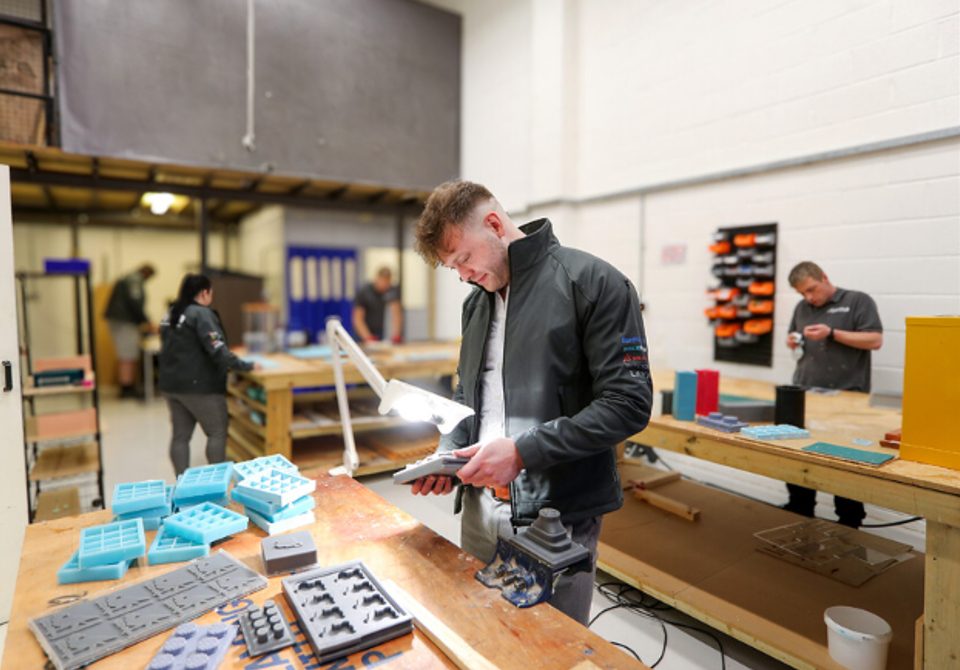
No call centre and no middlemen. When you contact TCI Products, you speak to the team who design, build and check your mould.

 Thomas LaneManaging Director
 George PrestonDesign & Project Manager
 Kelly BallingerHead of Partnerships
 Jim AndertonProduction Manager
 TheodoreEmployee Welfare